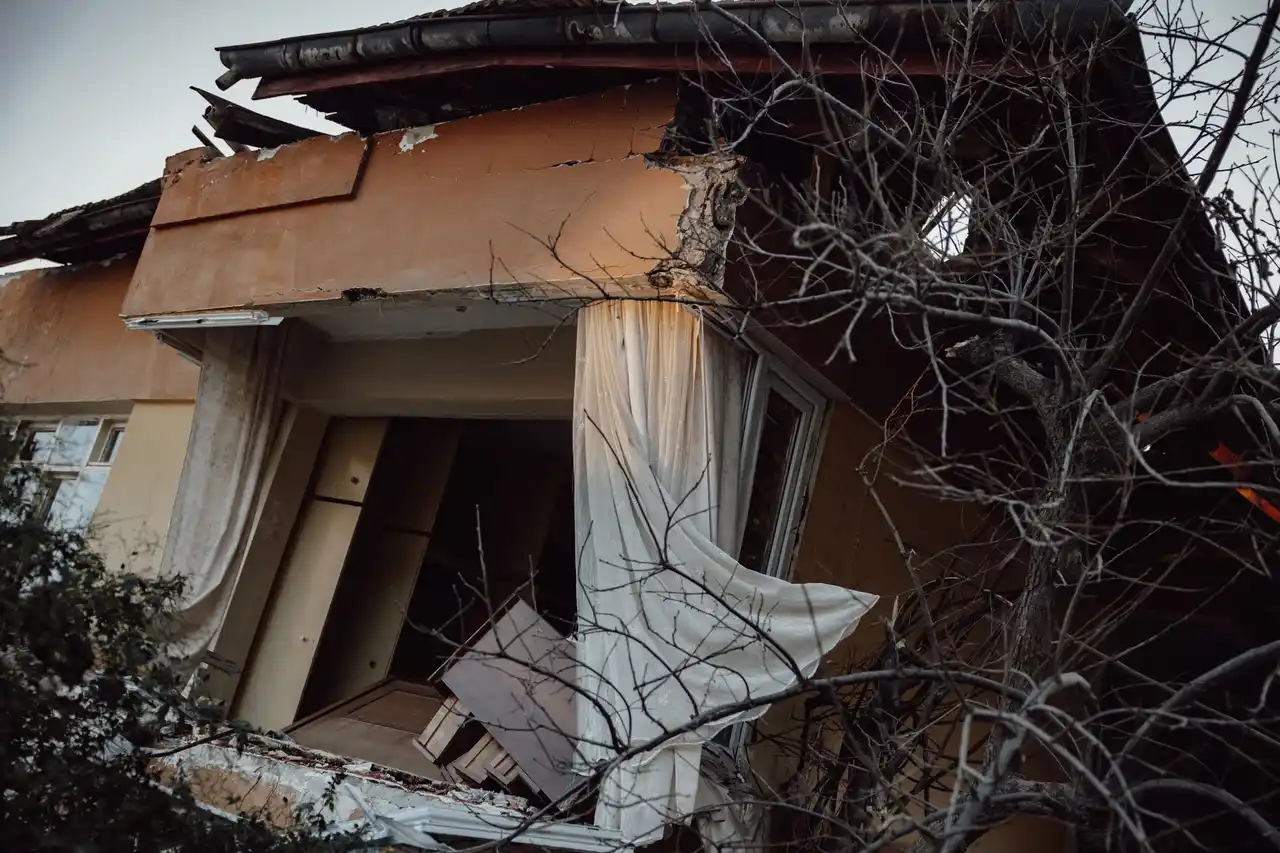
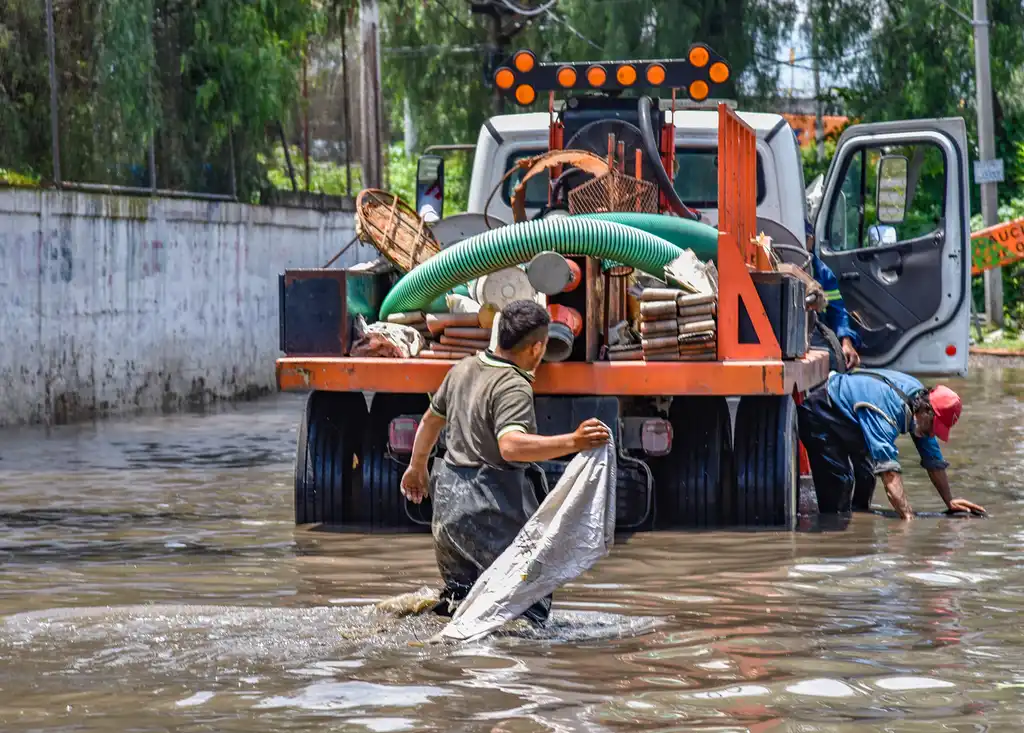
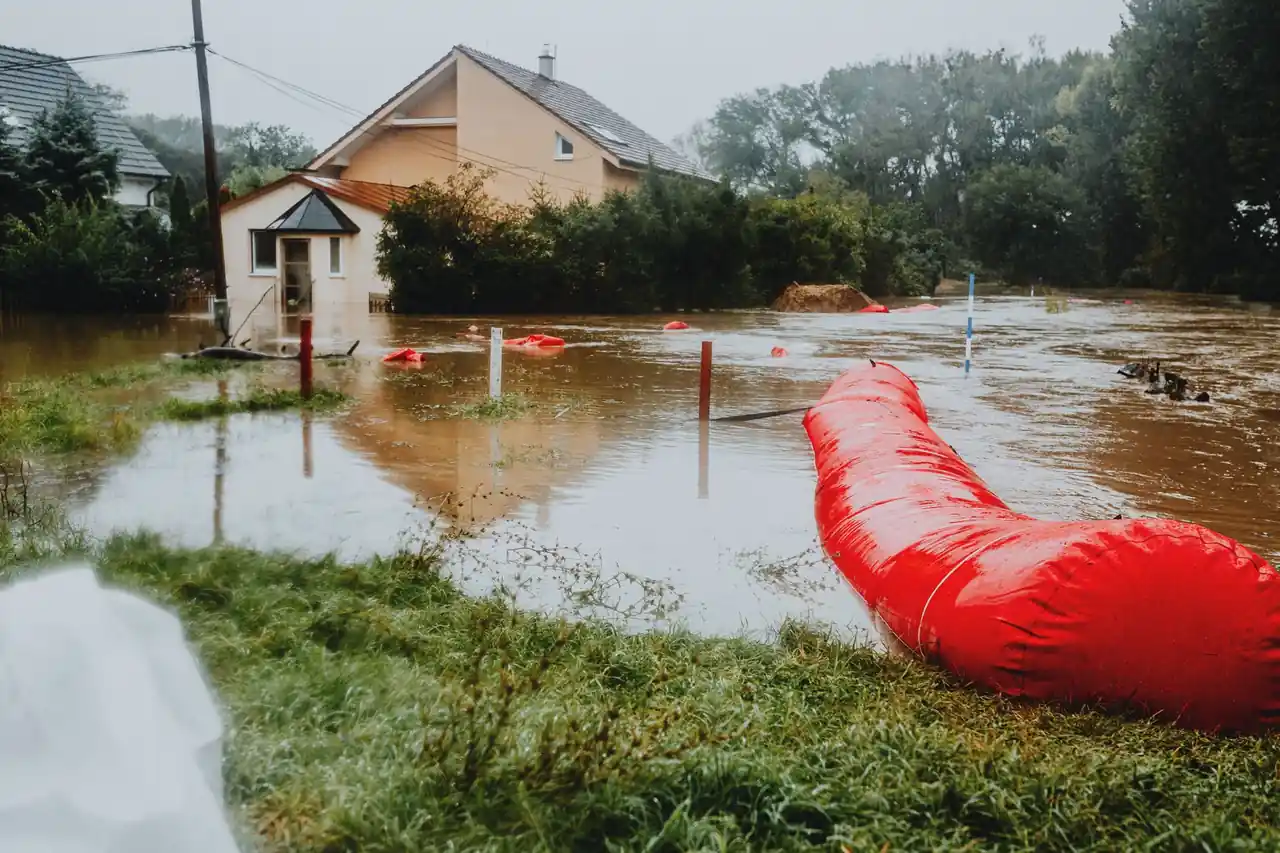
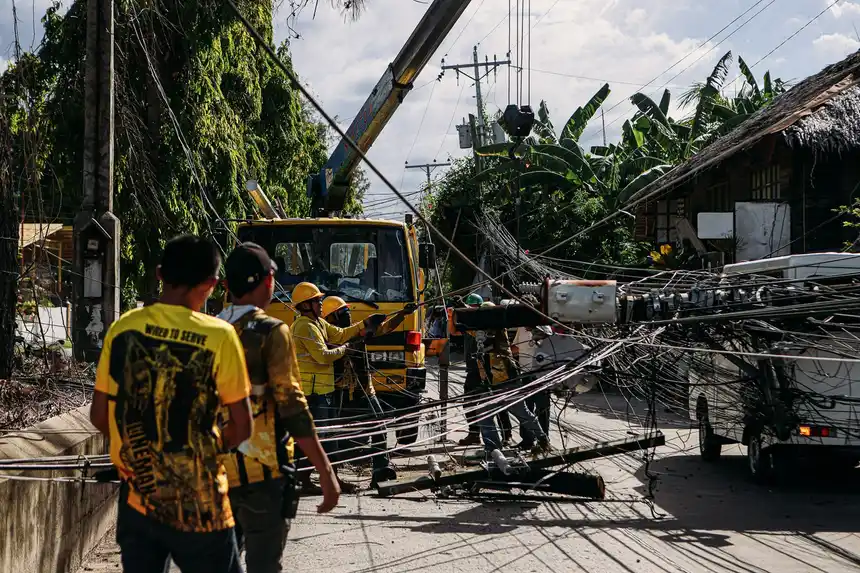
Emergencywaterdamagerepair in Linder Farms, Idaho

emergencywaterdamagerepair in Linder Farms starts with stopping the water and protecting what can be saved. We serve the Linder Farms area and the Linder Road corridor, where agricultural surroundings, irrigation runoff, and seasonal flooding can complicate a wet-room call. Our crew identifies the source, extracts standing water, and maps moisture before setting drying equipment. Call for Linder Farms emergencywaterdamagerepair when a leak, backup, or storm has put floors or walls at risk.

emergencywaterdamagerepair in Linder Farms

Serving the Linder Farms area

  • Readings RecordedMoisture checks guide drying decisions
  • Work Area ProtectedContents moved away from wet surfaces
  • Steps ExplainedYou hear what happens next
  • Equipment CheckedAirflow placement reviewed during work

emergencywaterdamagerepair in Linder Farms

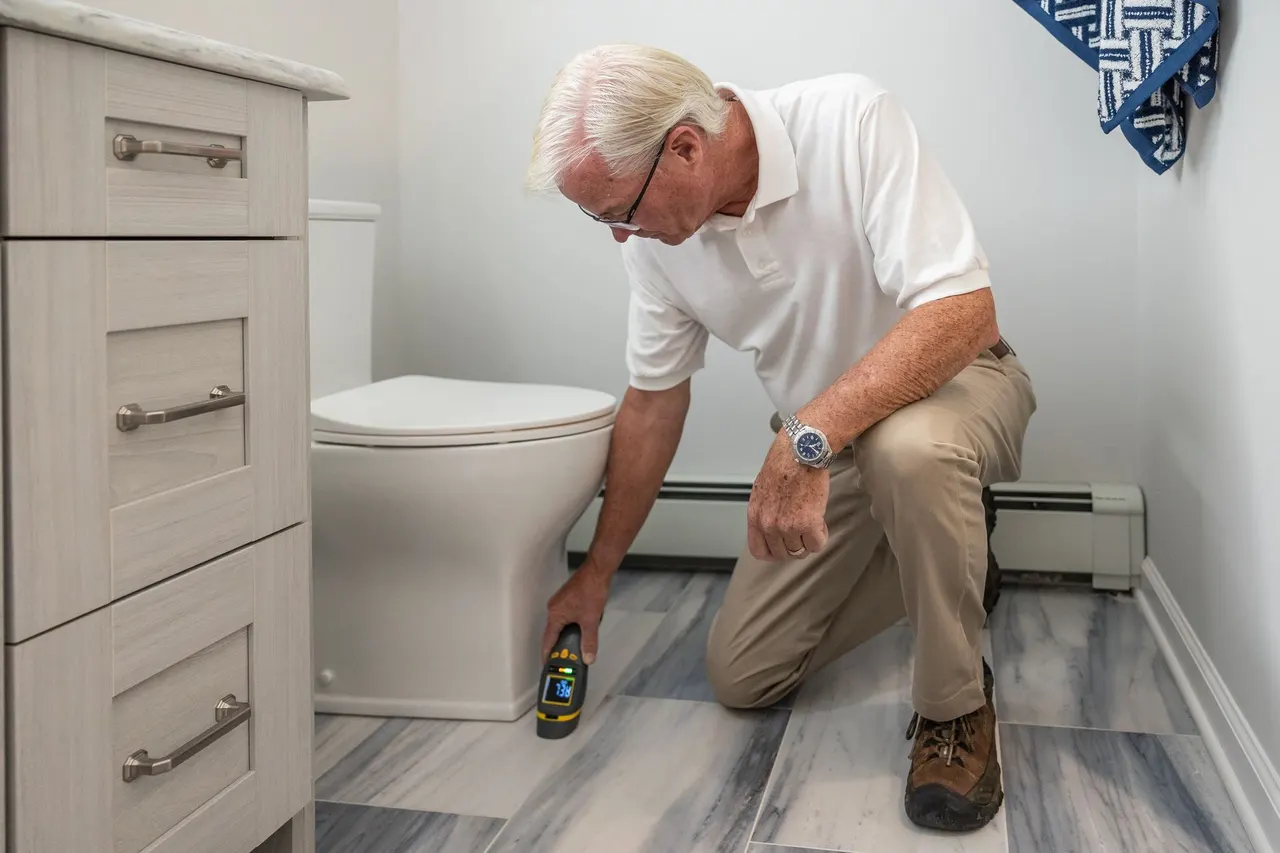
emergencywaterdamagerepair in Linder Farms is a water mitigation service that removes unwanted water, limits damage, and dries affected building materials after leaks or flooding. Our Kuna water damage restoration crew works across the Linder Farms area and along the Linder Road corridor, responding to burst pipes, appliance failures, roof leaks, and water entering from outside. We begin by checking the source and documenting affected rooms, then use a moisture meter and thermal imaging camera to locate wet materials that are not visible at the surface.

For water damage restoration Linder Farms ID homeowners need clear steps, not guesses. We extract standing water, protect dry areas, and set air movers and a dehumidifier according to the conditions in each room. Agricultural surroundings and irrigation runoff make exterior water entry a concern worth checking after heavy rain or seasonal flooding, especially around lower-level spaces. Our team also serves nearby Kuna communities, with service routing through Ada County and the wider local area.

We explain what needs immediate attention, what can be dried in place, and where removal is necessary. You get a practical plan for the next stage, whether that is structural drying, flooring assessment, or repair after the source is controlled. Call (833) 546-4116 for Linder Farms water damage cleanup.

Linder Farms sits within our Kuna service area, so the route and local conditions are familiar parts of the work rather than an unfamiliar out-of-town call. Rural properties and agricultural surroundings can mean longer exterior approaches, outbuildings, and water pathways that do not look like a standard subdivision lot. We ask where water first appeared, whether irrigation was active, and how quickly the level changed. Those details help us distinguish a plumbing leak from runoff or a drainage issue. In winter, we also respond to frozen-pipe breaks; during spring, seasonal flooding and wet ground raise the need for careful basement and crawl-space checks. Our goal is to remove water, identify affected materials, and leave you with measured drying progress.
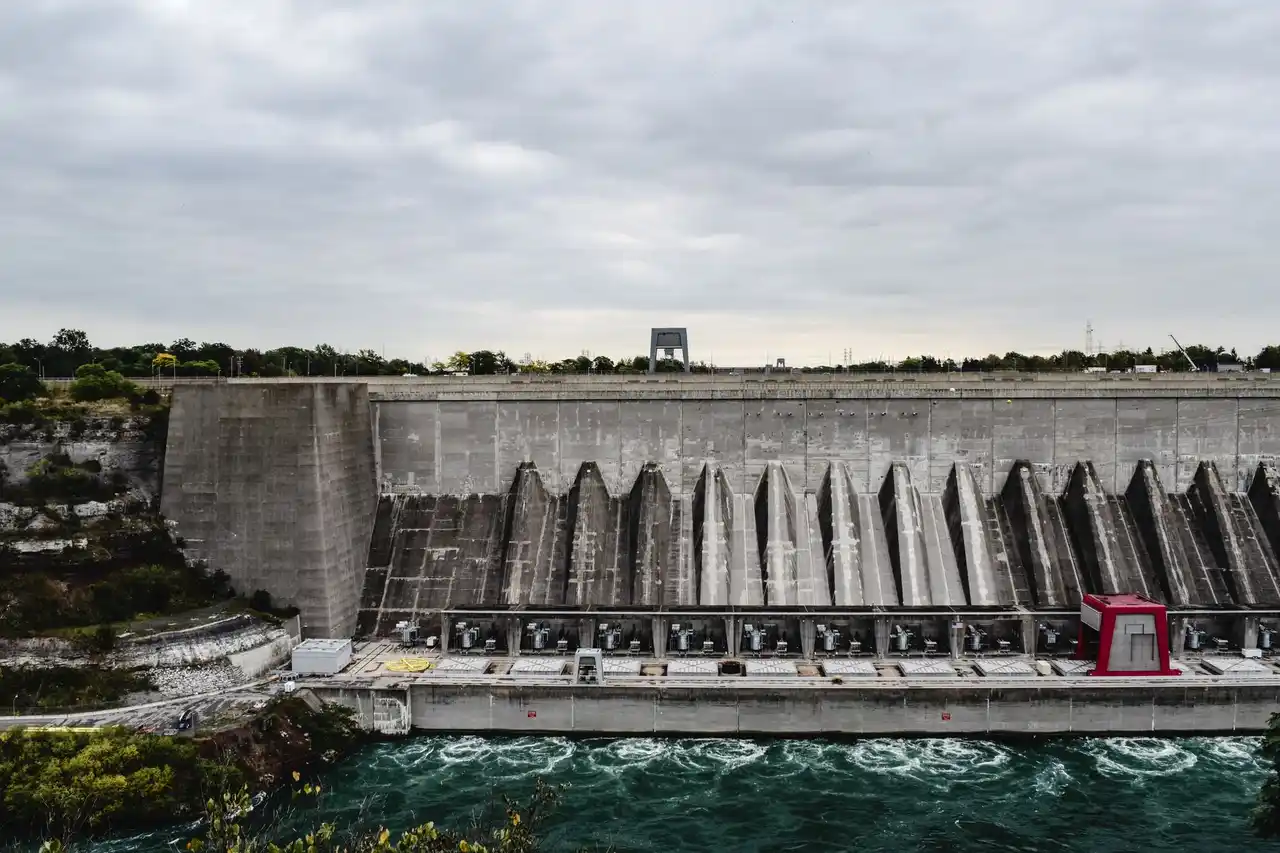
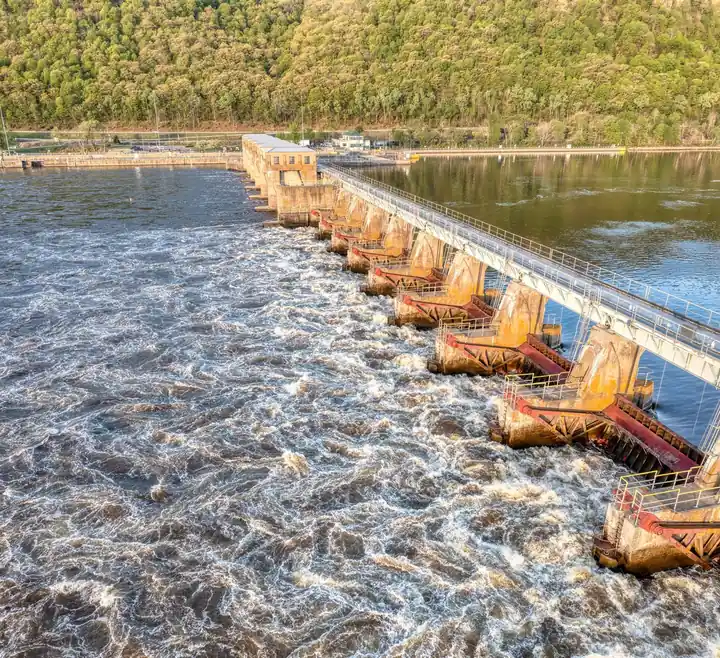
Water Damage Services for Linder Farms

In Linder Farms, urgent calls range from a split supply line to water pushed into a low room after a storm. Our first priorities are source control, safe access, and extraction; then we inspect flooring, drywall, insulation, and concealed cavities for retained moisture. For emergencywaterdamagerepair in Linder Farms ID near me, we coordinate the response around the affected area and the access available at your property. We explain the next work step before equipment is placed, so you know what the crew is doing and what readings will guide drying.

Water recovery for Linder Farms

Emergency restoration in Linder Farms

Emergency restoration in Linder Farms

We locate the water source and mark affected rooms before moving equipment. In Linder Farms, we check flooring edges and lower walls where water can travel beyond the first visible spot. You get a clear order of work: extraction, moisture checks, drying, and repair planning.

  • Trace the water source
  • Protect unaffected rooms
  • Record moisture readings
Homes in Linder Farms

Homes in Linder Farms

We restore water-damaged rooms in homes across the Linder Farms area. Tell us which floors and spaces are wet so we can inspect the source and plan drying.

  • Rural homes and lots
  • Basements and lower rooms
  • Detached utility spaces
  • Carpet and hardwood floors
Properties in Linder Farms

Properties in Linder Farms

We coordinate cleanup around access, affected materials, and the needs of the property. Our inspection identifies the water path before equipment is placed.

  • Small offices and workspaces
  • Agricultural support buildings
  • Storage and utility areas
  • Mixed-use property interiors

Common Water Damage Problems in Linder Farms

Linder Farms has a mix of homes and rural properties surrounded by agricultural activity, making it important to distinguish indoor plumbing failures from water arriving outside. Seasonal flooding, irrigation runoff, and winter freezes are practical conditions to ask about during an inspection, not assumptions about any one property. A burst pipe, roof leak, or sump pump failure can leave moisture inside drywall, insulation, hardwood flooring, or a crawl space. We use Linder Farms water damage cleanup methods that begin with the source and the affected materials, then set a drying plan based on measurements.

  • Burst or frozen pipe wets walls and floors during winter

    Burst or frozen pipe wets walls and floors during winter

    Cold periods can freeze vulnerable plumbing, and a pipe may release water once it thaws. The leak can remain hidden behind drywall or beneath flooring. Water entering a wall also wets insulation and framing that cannot be judged by the visible stain alone. We help isolate the water source, extract water from affected surfaces, and check wall and floor moisture. We identify materials that can be dried and those requiring removal, then monitor readings as equipment runs. Plumbing repair is coordinated so drying is not undermined by an active leak.

  • Irrigation runoff enters low areas around rural properties

    Irrigation runoff enters low areas around rural properties

    Water moving across agricultural surroundings can reach low points or the base of a building, especially when ground is already wet. The pattern differs from a supply-line leak and may affect a crawl space, foundation edge, or basement floor. We trace the entry path and ask when irrigation or rain occurred, then extract interior water and map affected materials. If recurring exterior water movement is evident, we explain whether a drainage correction, sump work, or french drain evaluation is needed alongside interior restoration.

  • Sump pump failure leaves standing water in a basement

    Sump pump failure leaves standing water in a basement

    A pump that loses power, becomes obstructed, or fails mechanically cannot remove collected water. During seasonal flooding or wet ground conditions, a basement may take on water before the problem is noticed, soaking stored items and lower wall materials. We remove standing water, inspect the pit and lower wall, and check moisture beyond the visible wet zone. Once the immediate cleanup is underway, we identify the pump issue and outline repair or replacement needs. Drying proceeds with monitored equipment.

  • Roof leaks stain ceilings and saturate insulation

    Roof leaks stain ceilings and saturate insulation

    Rain entering through a roof opening can travel along framing before reaching a ceiling, so the stain may be several feet from the entry point. Wet insulation holds moisture and can damage ceiling material if the cavity is closed too soon. We protect the room, trace the interior water path, and inspect the ceiling cavity where accessible. We remove water, dry affected framing and insulation where appropriate, and document the damage. Roof repair must stop the entry before interior repairs are completed.

When to Call for Emergency Water Repair

Notice spreading stains, wet flooring, standing water, or a damp odor? Call to locate the source and start cleanup.

  • Water keeps flowing after the fixture is off

    A continuing leak can mean a failed supply line, hidden pipe, or valve problem. Shut off the nearest safe water supply and call promptly. Water can travel through flooring and wall cavities beyond the room where it first appears, so we inspect adjoining areas as well as the obvious puddle.

  • Ceiling stain grows or begins to drip

    A spreading stain usually means water is still entering or has collected above the ceiling. Keep people and belongings clear of a sagging section, then call for inspection. We trace the source, check insulation and framing, and dry or remove affected material after the leak is controlled.

  • Carpet feels wet beyond the visible spill

    Water can move under carpet and soak the padding, even when the surface looks only slightly damp. The edges, tack strips, and nearby baseboards need inspection. Early extraction helps limit how far moisture travels and determines whether the pad can be dried or must be removed.

  • Basement floor stays wet after pumping

    Repeated water at the same floor edge can point to sump pump failure, foundation seepage, or drainage conditions outside. Removing the puddle without checking the source invites another cleanup. We inspect the pit and entry points, map moisture, and explain what needs repair.

  • Musty odor follows a leak or flood

    A persistent damp smell can indicate moisture trapped behind drywall, beneath flooring, or in stored contents. Do not cover it with fragrance. We look for hidden wet materials, measure affected areas, and address the moisture source before cleaning or odor treatment.

How We Handle Linder Farms Water Losses

Linder Farms emergencywaterdamagerepair starts with a call that establishes where water is coming from, how much is present, and whether electricity or sewage creates a safety issue. Our crew arrives with extraction and moisture-checking equipment, then works from the wettest area outward to protect clean rooms. On rural properties, we confirm the access point and identify outbuildings or lower areas that may also need a check. The Linder Road corridor provides a useful local route, but actual arrival time depends on current conditions and call volume.

  • Irrigation runoff reaches low areas around rural properties

    Water can enter from outside and spread along a floor before the source is obvious. That makes it important to distinguish runoff from a plumbing failure and to check the foundation edge, crawl space, and lower wall materials. We ask when irrigation or rainfall occurred and where the first water appeared. Our inspection follows the wet path, checks low points, and records moisture in nearby materials. We remove interior water first, then explain whether exterior drainage, a sump system, or a separate building repair needs attention.

  • Seasonal flooding and wet ground complicate basement assessment

    A low room can take on water from several directions during changing weather. If the water source is not identified, a cleaned floor can become wet again, and stored belongings may continue absorbing moisture. We check the sump pit, floor-wall junction, and visible entry points while extracting water. A water level and moisture map help us establish the affected boundary. We can discuss sump pump or french drain work when the inspection indicates a recurring drainage issue.

  • Winter freezes can split exposed or poorly protected plumbing

    A frozen pipe may thaw and release water into insulation, drywall, and flooring after the initial cold period. The leak can remain active while the damage spreads, especially when a line is behind a wall or in a service area. We first help isolate the water source and arrange plumbing repair, then extract and inspect the affected rooms. We check adjoining cavities for migration and set drying equipment only after the leak is controlled. Readings show when materials have reached an appropriate dry condition.

  • ANSI/IICRC S500 water damage restoration standard

    We use the standard as a technical reference for evaluating water categories, documenting affected materials, and planning extraction and drying. It supports a measured process in Linder Farms homes, where clean supply water and exterior runoff require different handling.

  • Idaho contractor license requirements

    Work that falls under regulated contracting or plumbing must be handled by appropriately qualified parties. We coordinate restoration with the needed repair trade and keep water mitigation distinct from plumbing or construction work that requires its own authorization.

Local Orientation Around Linder Farms

We use Linder Farms and Linder Road as the primary local orientation points when confirming an address and planning access. Give us the nearest named road, driveway entrance, and whether the affected room is inside the main residence or a separate structure. Those details help the crew find the correct property and unload equipment safely. We do not use landmark proximity to assume why water entered; the source is established during inspection.

  • Linder Farms

    The Linder Farms name identifies the service area and helps distinguish the destination when confirming a Kuna address. We still verify the property location and entrance directly, because a landmark name alone does not identify a specific driveway or building.
  • Linder Road

    Linder Road is a useful route and orientation reference for reaching properties in this area. Sharing the nearest access point or cross street when calling helps the crew select the right approach and avoid confusion at rural entrances.

  • Kuna

    Kuna is the local city reference for service coordination and regional routing. Providing a complete street address with the Kuna location helps separate nearby routes and makes it easier to direct the crew to the correct property.

  • Linder Road corridor

    The corridor is a local route reference serving properties and destinations along Linder Road. We use it for navigation and address confirmation; it does not determine the source or cause of an individual water loss.

  • Kuna Town Center

    Kuna Town Center is a named Kuna destination that can help orient callers describing their location relative to town. We confirm the actual service address before routing equipment.

  • Linder Road

    Linder Road is the main local access reference supplied for this service area; callers can identify their driveway or nearest road connection to guide arrival.

  • Kuna

    Kuna serves as the regional routing base for calls in and around Linder Farms. The crew confirms the address and access instructions before setting out.

Linder Farms Areas We Cover

Our local coverage includes the Linder Farms area, the Linder Road corridor, and nearby Kuna neighborhoods listed below. Routes are planned around the property entrance and the affected building, not just a map pin. If water has reached a detached garage, crawl space, or lower room, tell us when you call so we can plan equipment and access. We also serve nearby areas across Kuna and Ada County.
  • Linder Farms area
  • Linder Road corridor
  • Meadow View
  • Prairie Creek

Linder Farms Water Loss Examples

  • Linder Farms area

    Before

    A supply line leak wet carpet and lower drywall in a Linder Farms home, with water reaching the adjoining hallway before the shutoff was found.

    After

    We isolated the affected rooms, extracted water from the carpet, and checked the baseboards and drywall with a moisture meter. The crew lifted the carpet edge to assess padding, removed material that could not be dried, and positioned air movers with a dehumidifier. Readings were recorded at the same points during follow-up checks. The active water was removed during the first visit, and the affected area was mapped across two rooms. Drying equipment ran for four days before final readings supported the next repair step.
  • Linder Road corridor

    Before

    After seasonal flooding, a homeowner found water at the basement floor and dampness at the wall edge, with a sump system that had stopped cycling.

    After

    We removed standing water, inspected the sump pit and lower wall, and checked nearby stored belongings for exposure. The team documented moisture at the floor-wall junction and explained the need to address the pump issue before closing out drying. We dried affected materials and kept clean contents separated from the wet area. Water extraction cleared the basement floor, and monitoring continued for three days. The property owner had a documented moisture map and a defined follow-up for the sump system.

  • Linder Farms area

    Before

    A winter pipe break in a detached utility space sent water beneath stored items and into a section of wall insulation at a rural property.

    After

    We helped stop the water, moved salvageable contents away from the wet zone, and removed standing water from the floor. After inspecting the wall cavity, we identified saturated insulation for removal and placed drying equipment to address the framing. The crew also checked the adjoining floor for migration. The wet contents were separated on the first day, and two affected wall sections were opened for drying. Moisture readings were checked over five days before repair work proceeded.

Linder Farms Customer Reviews

4.9

  • A pipe leak soaked our hallway carpet and the bottom of the wall. The crew extracted the water, checked the carpet padding, and showed me the moisture readings before setting equipment. They explained why one section of drywall needed attention and returned to check the drying. I appreciated having a clear explanation instead of being told to wait and see.
    Megan R.Linder Farms area
  • We found water in the basement after a wet spell and were worried it had reached stored items. The team pumped out the standing water, checked the sump area, and mapped the damp floor edge. They separated the wet items from the dry ones and told us what needed to be handled next. The measured follow-up made the process easier to understand.
    Paul T.Linder Road corridor
  • A roof leak left a ceiling stain and damp insulation after a storm. The crew protected the room, checked above the stain, and explained what had to dry before the ceiling could be repaired. They documented the affected area and kept us updated on the readings. We knew which parts were drying and which needed repair.
    Dana L.Linder Farms area

Seasonal Water Risks in Linder Farms

  • Spring

    Seasonal flooding and wet ground can reveal drainage weaknesses at lower rooms, foundations, and crawl spaces. Check whether water appears at the same wall or floor edge after rain. Irrigation runoff may also need to be distinguished from a plumbing leak during inspection. Test the sump pump before wet conditions, keep the pit clear, and note where exterior water collects. If water returns, record its location and timing so we can compare the pattern with moisture readings.

  • Summer

    Summer storms can damage roof coverings or push water through an opening, leaving ceiling stains and damp insulation. Indoor supply-line leaks and appliance failures still occur, and warm conditions do not make wet drywall or carpet padding safe to ignore. After a storm, check ceilings and upper walls for new discoloration. Move valuables away from active drips, place a container under the leak if safe, and call if water reaches wiring or begins spreading.

  • Fall

    Fall is the time to notice clogged gutters, loose downspouts, and drainage paths that send rain toward the building. Water at a foundation can show up in lower rooms after a storm, while early cold snaps increase the risk of vulnerable plumbing freezing. Clear gutters and inspect visible pipe areas before freezing weather. If you see a recurring damp patch, arrange an inspection while the source is easier to trace than after a major leak.

  • Winter

    Frozen pipes can split and release water when temperatures rise or a line thaws. Leaks behind cabinets, in utility areas, or inside walls may continue unnoticed. A sump pump failure can also leave standing water when winter weather brings wet conditions. Know where the main shutoff is and keep access clear. If a pipe breaks, shut off water if safe, protect yourself from electrical hazards, and call for extraction and moisture checks.

Questions Before Hiring a Restoration Crew

When you call about a Linder Farms water loss, ask how the crew will identify the source, measure moisture, and decide what can be dried. A good answer names the tools and the checks, not just a promise to set fans. Ask who handles plumbing or roof repair if the source is still active, and how contaminated water is separated from clean areas. You should also understand the likely sequence, what readings will be recorded, and how the price is explained. Direct answers help you compare a real mitigation plan with a quick surface cleanup.

  • How will you find water behind the wall or under the floor?

    The answer should describe a moisture meter, thermal imaging camera, or another appropriate inspection method, followed by direct verification where needed. A crew that only looks at stains may miss wet insulation or subfloor. Ask how findings will guide equipment placement and follow-up checks.

  • Who stops the leak before drying equipment is set?

    Drying cannot hold if water is still entering. The contractor should explain how the source will be isolated and whether a plumber, roofer, or other repair trade is needed. That separates emergency water mitigation from the repair that prevents repeat damage.

  • How do you handle runoff or sewage water differently?

    Water quality changes cleanup steps and what materials can be saved. Ask how the crew isolates contaminated areas, protects clean rooms, and disposes of unsalvageable items. This is especially important if water came from a backup or outside flooding rather than a clean supply line.

  • What readings will show that the structure is dry?

    A useful drying plan includes repeatable readings at identified locations and a clear explanation of the target condition. Ask how often the crew checks equipment and what happens if a wall or floor remains wet. That gives you a measurable basis for the next repair step.

  • How do you price extraction, drying, and repairs?

    Ask for the difference between mitigation work and separate plumbing, roofing, or rebuilding tasks. The answer should identify the main cost drivers, such as water volume, material removal, and drying days. Clear pricing lets you understand which work addresses the immediate loss and which restores the building.

Linder Farms Emergency Water Repair FAQs

Still wondering? (833) 546-4116

Local service team

Call for emergencywaterdamagerepair in Linder Farms

If water is spreading through your Linder Farms home, call (833) 546-4116 now. Tell us what failed, where water is standing, and whether it has reached a basement, crawl space, or electrical area. We will guide you through immediate safety steps and coordinate extraction and moisture inspection. Our crew serves Linder Farms and nearby Kuna properties in Ada County, Idaho.

Contact the Kuna Team

Call (833) 546-4116 when water reaches your home or business in Kuna, Idaho. Tell us whether the source is still active, which rooms are affected, and when the damage began; that helps direct the next steps. Calls are accepted at any hour for emergency inquiries, and service coverage includes Kuna, ID, with ZIP codes 83634 and 83642.

Thanks. Your request is in and the team will follow up shortly.