System findings
Pump, float, pit, and outlet observations.
Sump pump installation and repair kuna ID helps homeowners and property managers control groundwater, foundation seepage, and sudden basement flooding. We inspect the pit, pump, discharge line, and electrical connection, then repair a failed system or install a properly sized replacement. If your pump runs constantly, makes unusual noise, or leaves water on the floor, our Kuna team will identify the cause and explain the next practical step.
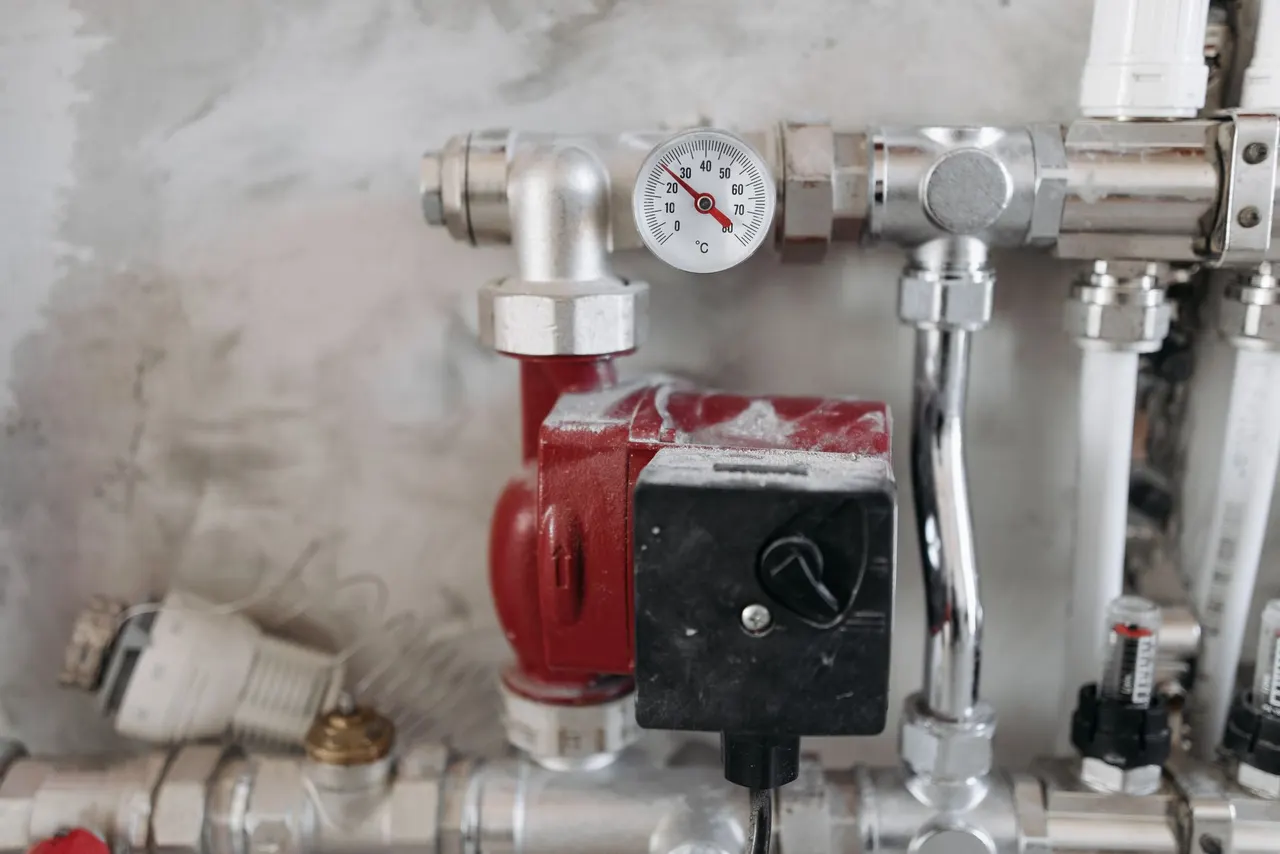
Our service covers inspection, diagnosis, agreed pump repairs or installation, and an operational test of the discharge system. We also identify visible water damage connected to the failure. Extensive electrical changes, new drainage routes, structural repairs, or restoration of saturated materials are separate work when required; we explain those needs and their costs before proceeding.
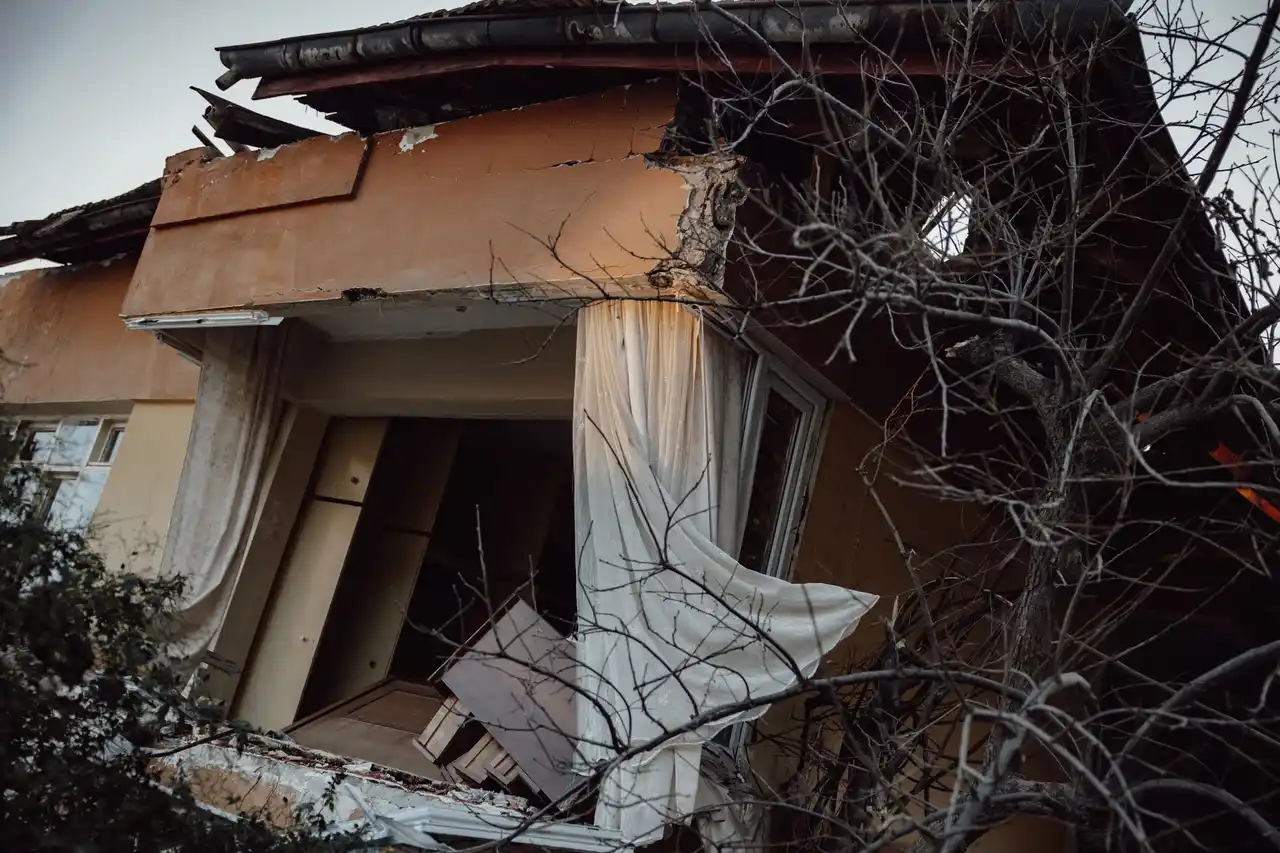

We inspect the pit, pump, float, and outlet in your home, then explain the repair or installation. If water has spread, we also identify affected floors and lower walls.
We coordinate pump work around building access and active tenants or staff. Property managers receive a practical explanation of the test results and any water-related follow-up.
Sump pump installation and repair kuna ID is a drainage service that removes groundwater collected beneath a building and protects lower-level spaces when seepage or flooding threatens. We check the sump pump liner, float switch, check valve, discharge route, and power supply before recommending a repair or replacement. A sound installation starts with a stable pit and a pump sized for the water volume and lift height, not simply the largest unit on the shelf. We run the system through a controlled test and confirm that water leaves the property without cycling back.
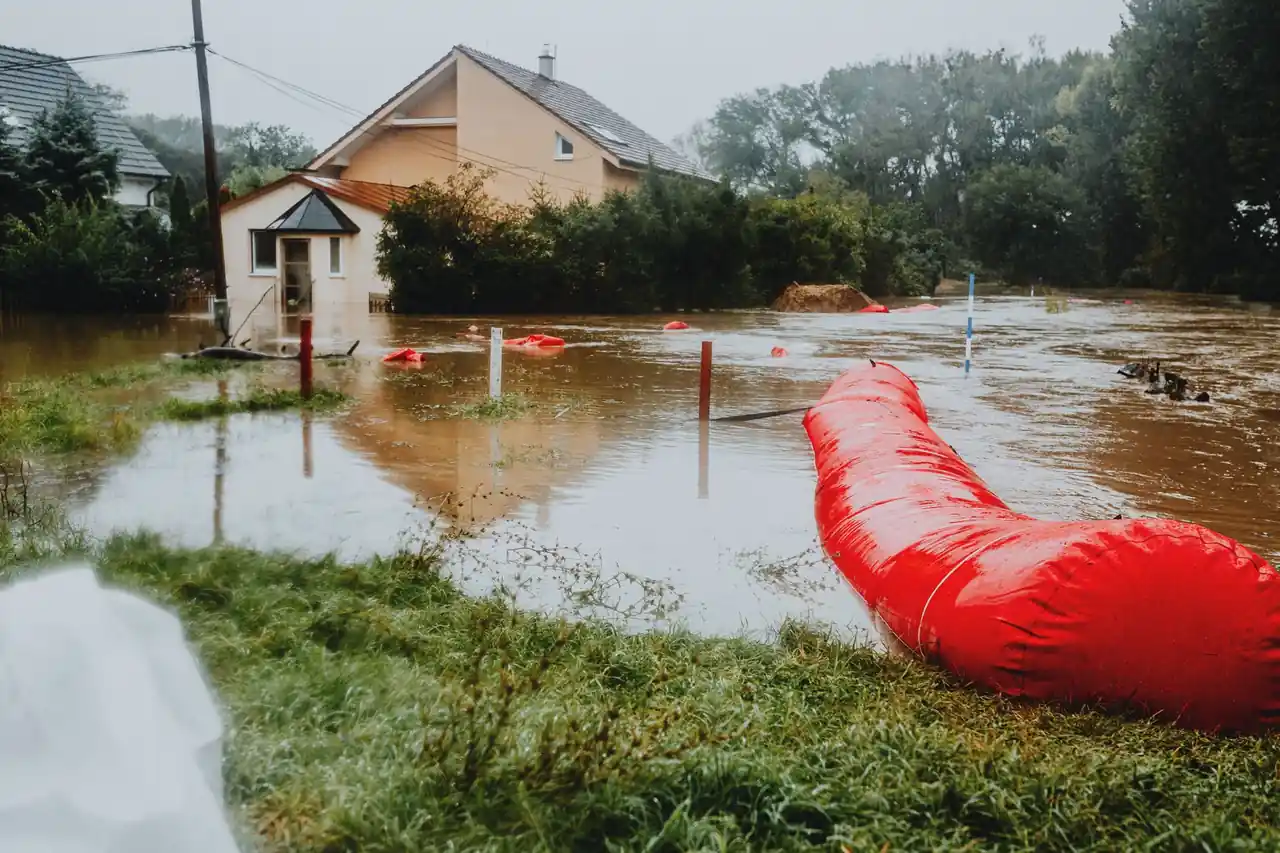
Homes around Kuna, Idaho, can face water entry after sustained rain, snowmelt, irrigation runoff, or a blocked discharge route. A sump that has not been tested before freezing weather can fail just when a frozen pipe or foundation seepage adds more water to the basement. Our sump pump service kuna includes checking for debris, a stuck float, worn components, and discharge problems. If you searched for sump pump installation and repair kuna ID near me, we can assess the pump and the water damage risk in the same visit.
A tested pump and clear discharge route move groundwater out before it spreads through a basement.
Sump pump installation and repair in Kuna follows a straightforward sequence: diagnose the water path, identify the failed component, complete the agreed work, and test the system. We protect nearby belongings and keep you informed as each step is completed.

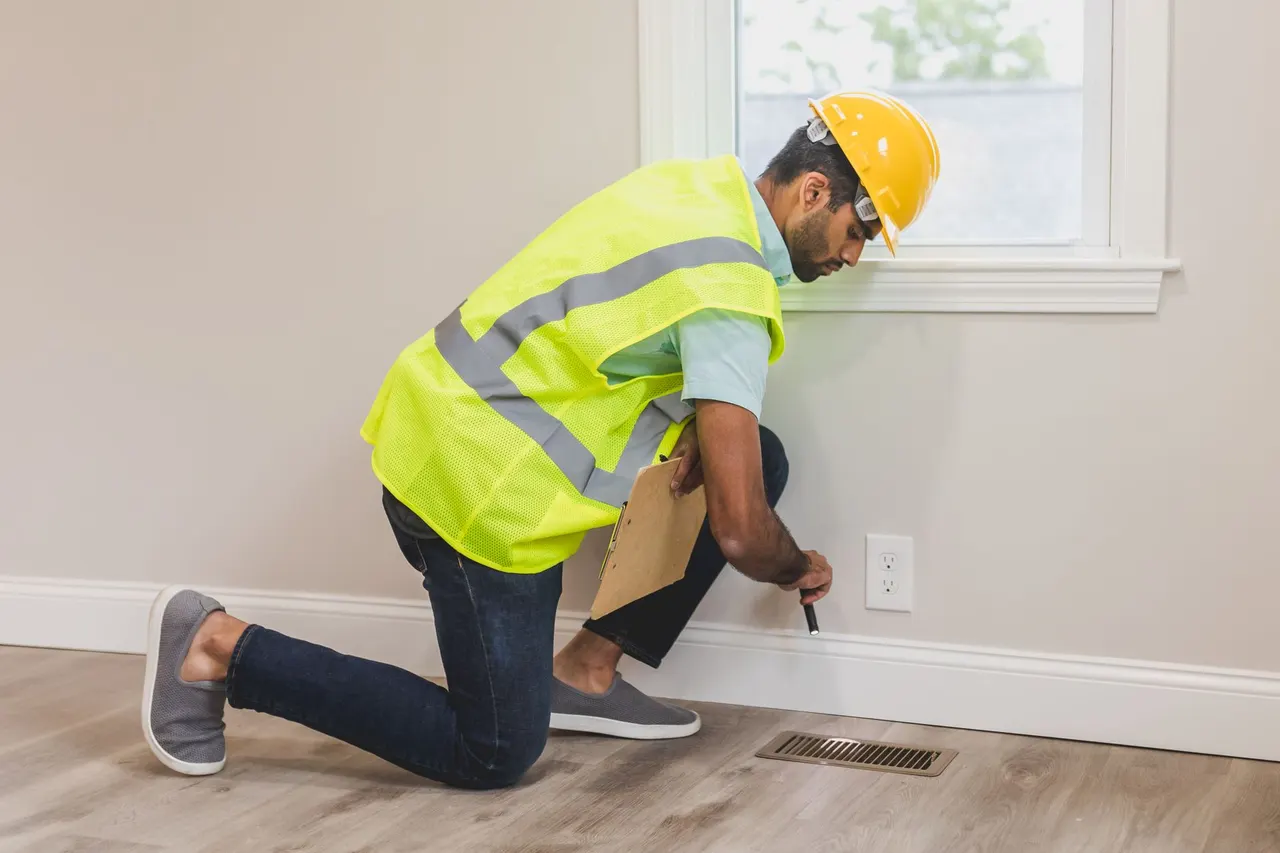
We begin by checking the pit, liner, pump, float switch, power connection, check valve, and discharge outlet. If water is present, we note its depth and look for signs of seepage or a backup. A typical inspection takes about 30 to 60 minutes, depending on access and whether the pump can be tested safely.
We determine whether the problem comes from a failed motor, stuck float, blocked line, leaking check valve, loss of power, or a pump that cannot meet the lift. You see the fault and hear the repair options in plain language. This step prevents replacing a pump when a smaller component or line correction will solve the issue.
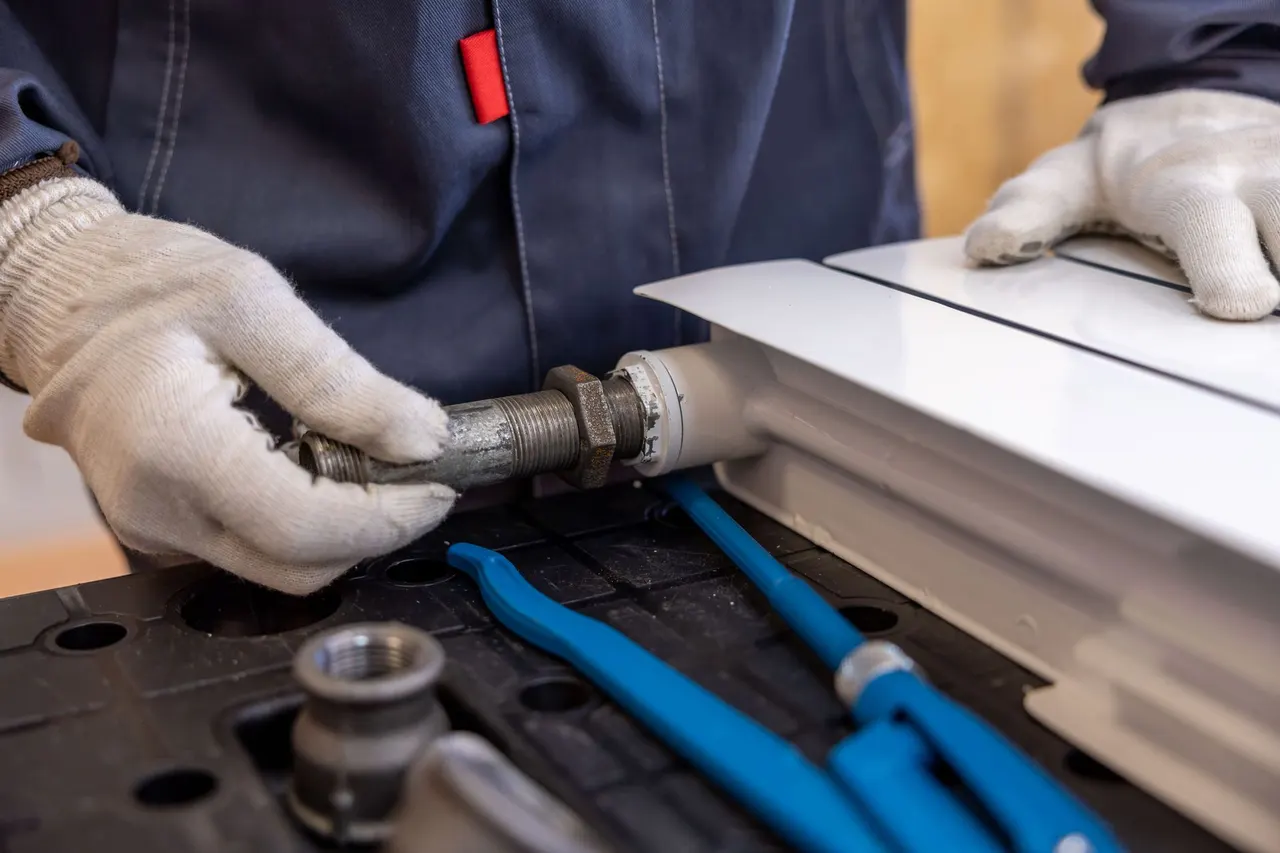
Before opening the pit or removing equipment, we move or cover nearby items and manage standing water as needed. A water extraction unit removes pooled water, while affected materials are kept separate from dry contents. We take care around finished floors and identify any wet carpet padding or drywall that needs drying.
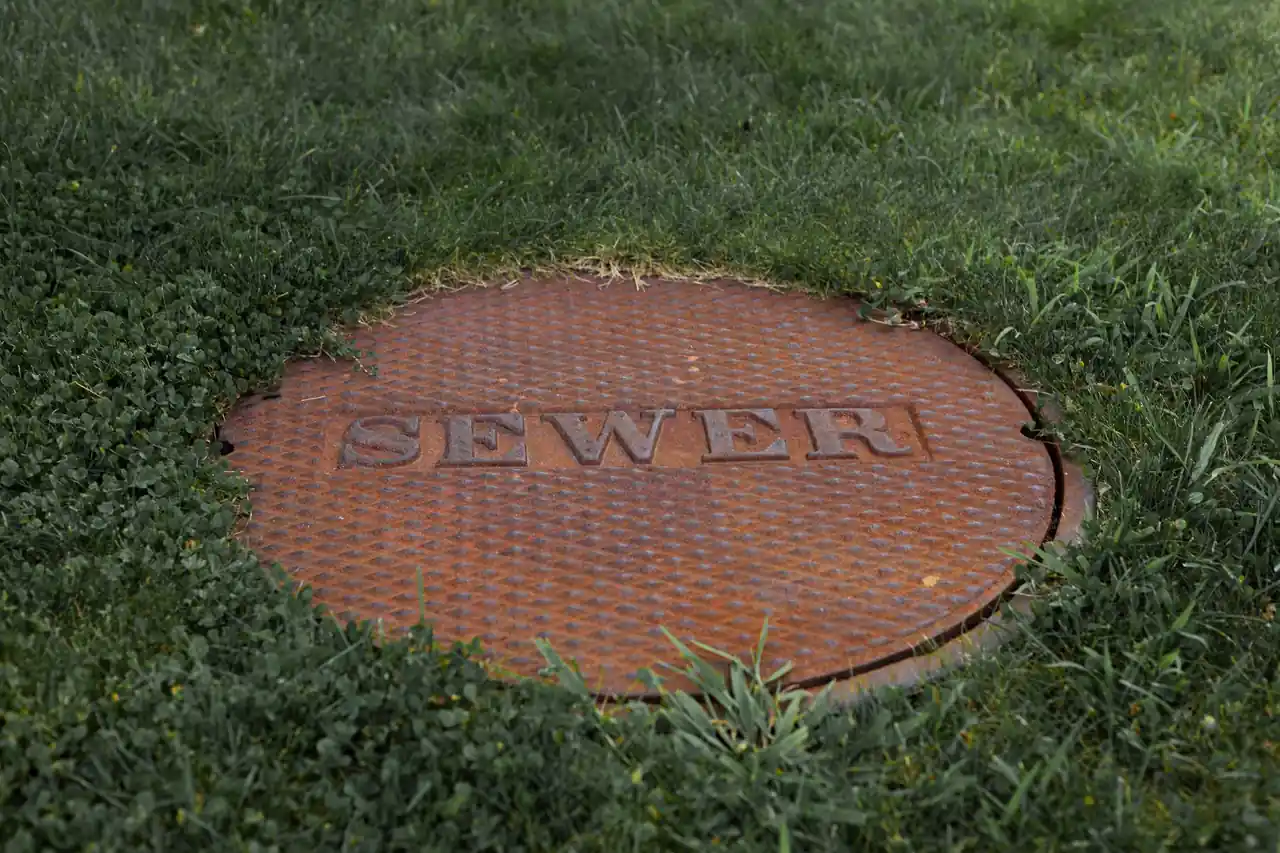
We replace failed parts or install the selected pump, secure the discharge connection, and check the liner and valve arrangement. A straightforward repair often takes 1 to 3 hours; a new installation can take longer if the pit, power, or discharge route needs correction. We explain any added work before proceeding.
We add water to activate the float, observe the pump cycle, and confirm discharge flow outside. We check for leaks, unusual vibration, and water returning through the line. Before we finish, we show you the operating float level and explain a simple monthly visual check and a seasonal test before winter.

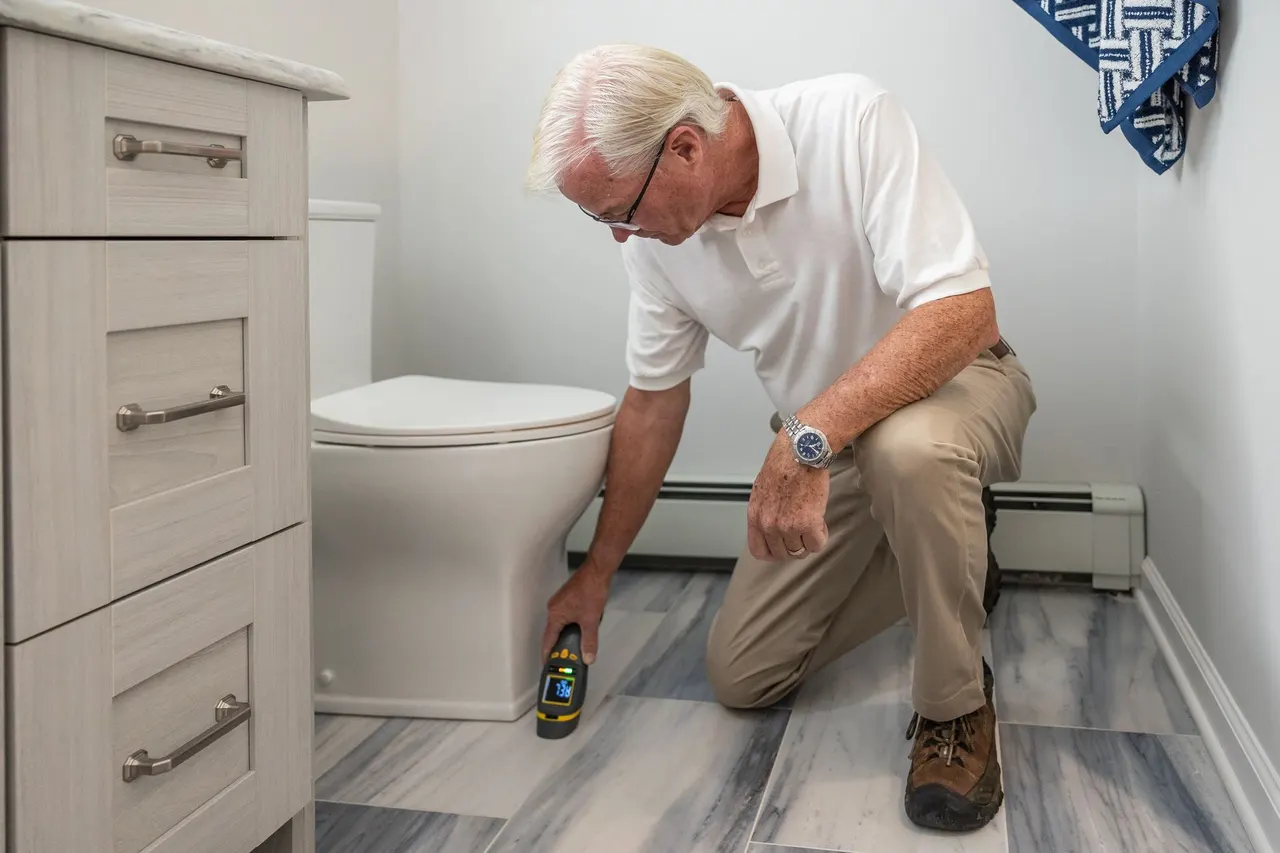
We measure moisture in accessible flooring, drywall, and baseboards after an overflow to guide extraction and drying decisions.
We check room humidity when basement materials are wet, then use the reading to judge whether dehumidification is needed.
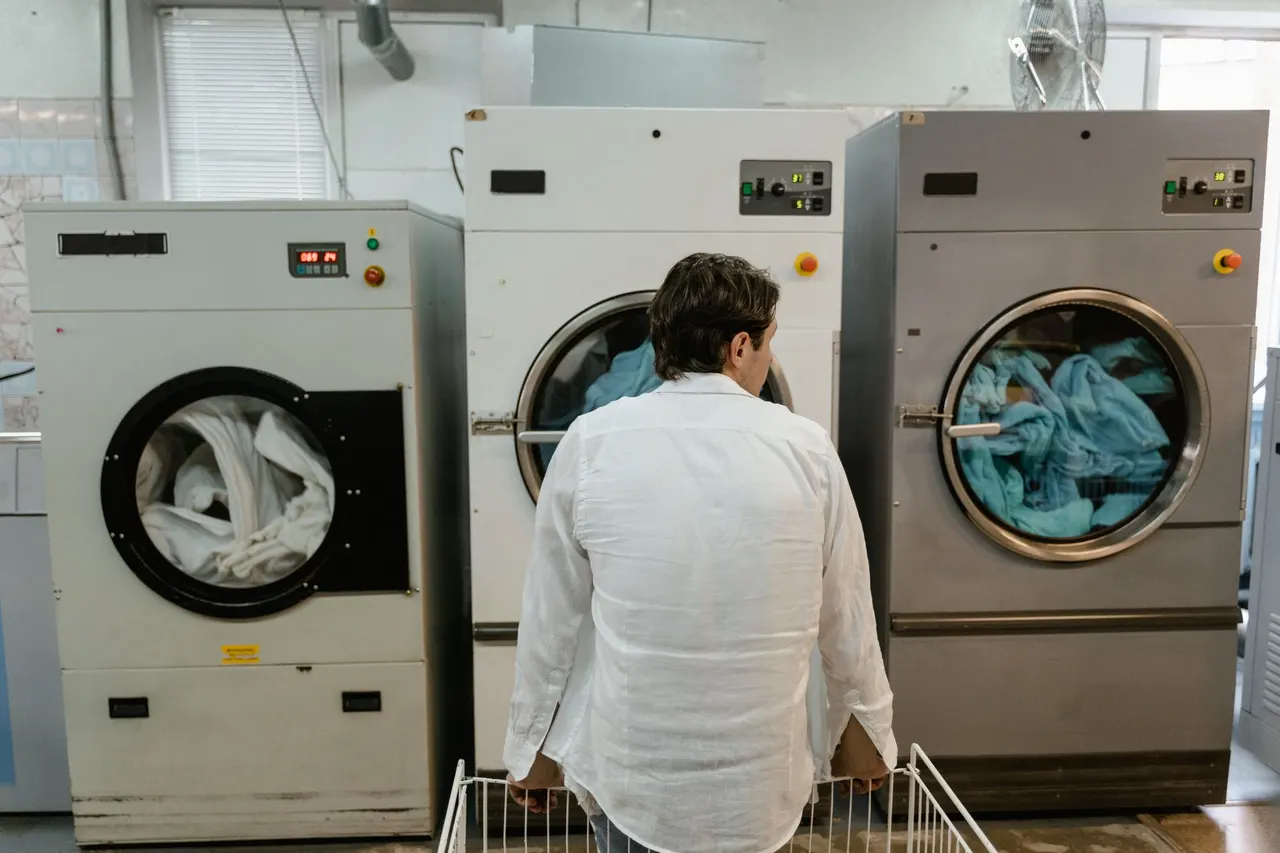
We remove pooled water from floors after a pump failure, reducing the amount available to soak into carpet and nearby materials.

We use a camera where access allows to examine a concealed or difficult-to-view section of the discharge route for an obstruction.

We direct airflow across affected surfaces after extraction when the drying plan calls for faster evaporation from exposed materials.
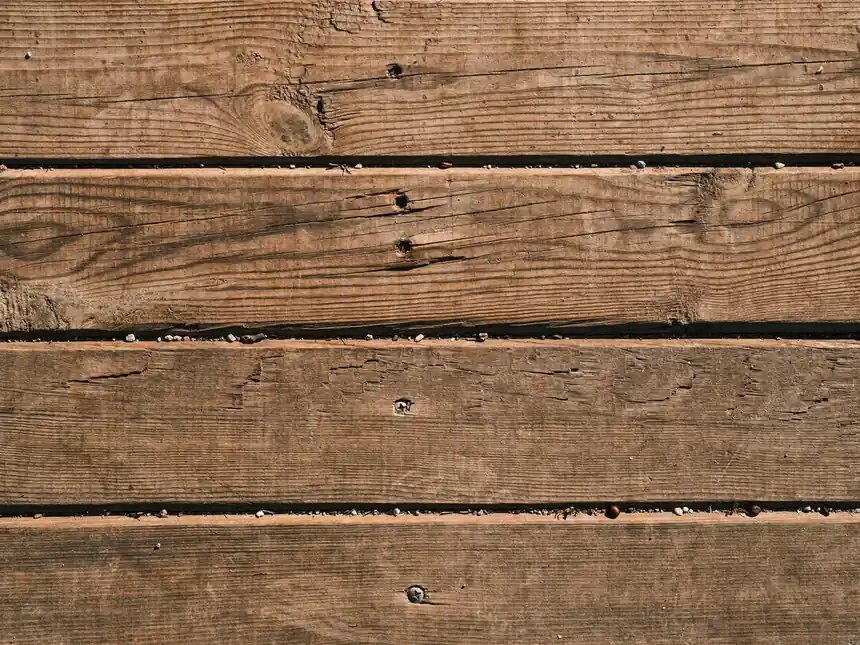
We add water to the pit until the float reaches its start point, then observe pump startup, discharge, and shutoff. The test reveals whether the switch moves freely and whether water returns after the pump stops. We repeat the cycle after repair to confirm operation.
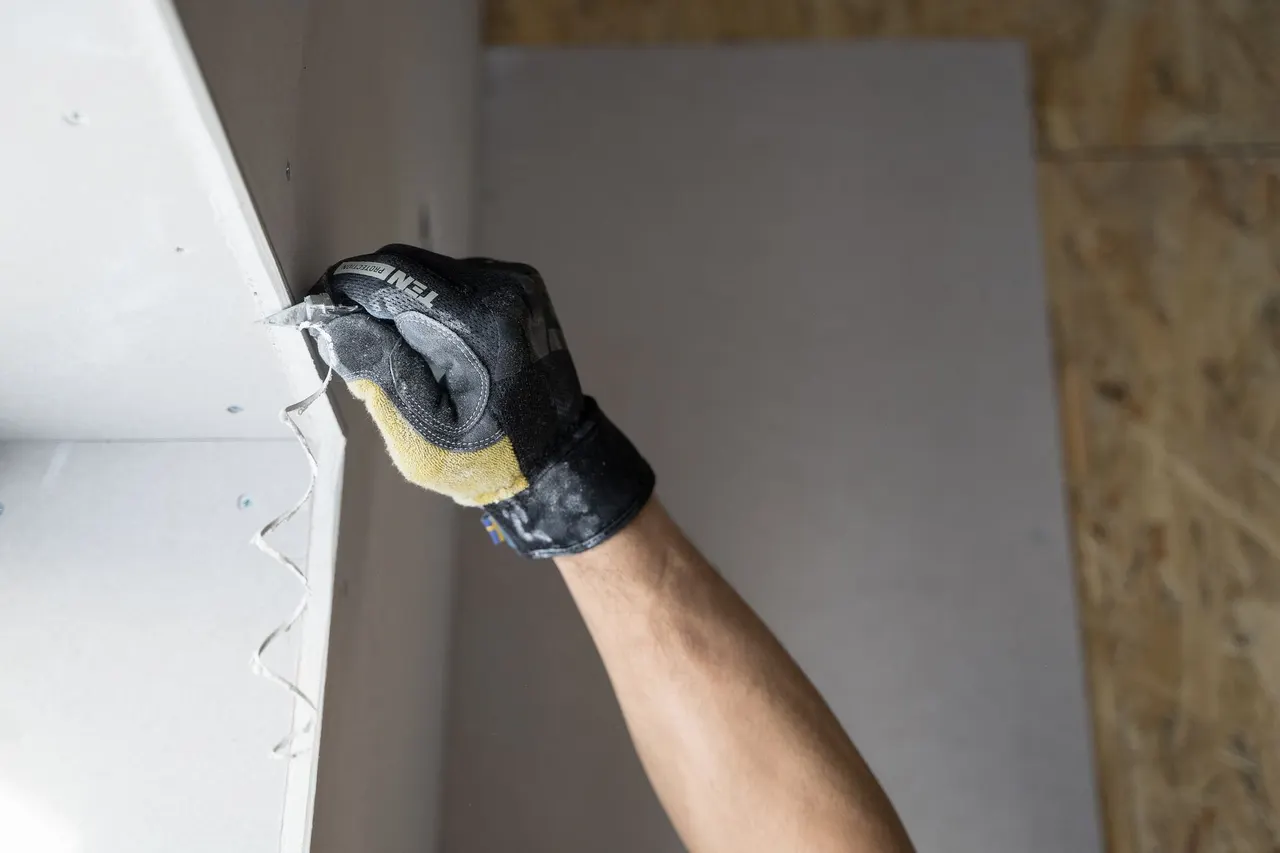
We follow water from the pump outlet through the check valve and accessible discharge line. We look for leaks, restrictions, return flow, or an outlet that directs water back toward the foundation. The pump is tested under flow, not judged by motor noise alone.
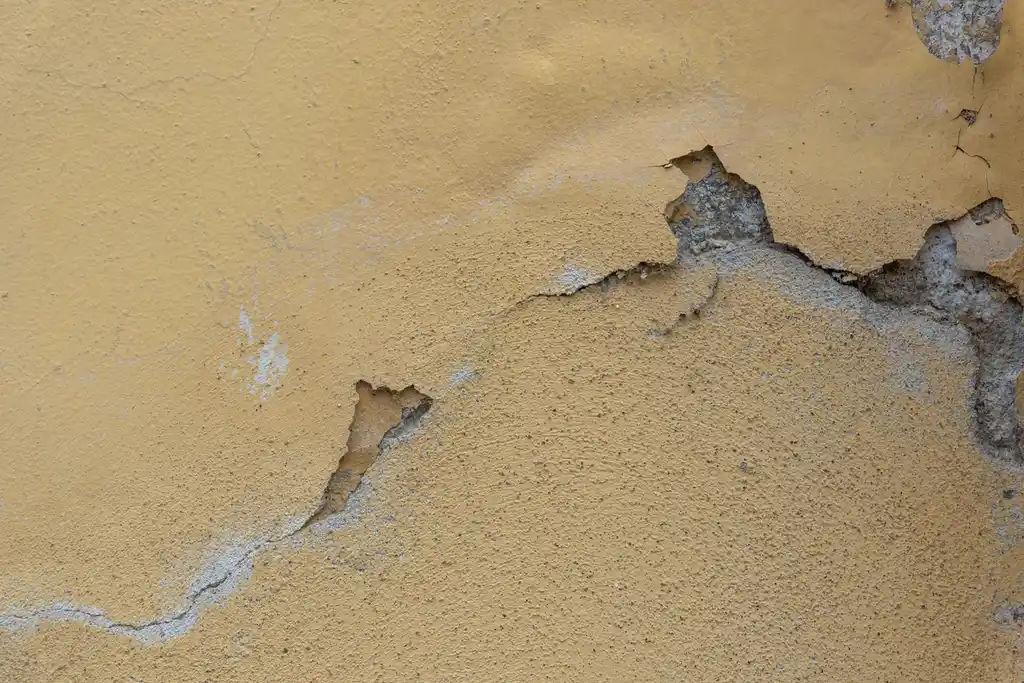
When an overflow has wetted the room, we record moisture concerns around the pit, floor edges, and lower walls. Readings help distinguish the visible wet area from materials that may retain water. We use the findings to set priorities for extraction and structural drying.
We check power, float movement, intake, motor response, and discharge flow. If water has escaped the pit, we remove standing water and inspect nearby floor and wall materials. We then repair the cause and test the system while you watch the water level fall. You know why the pump failed, whether water reached finished materials, and how the repaired system behaves during a complete cycle.
We assess the pit dimensions, lift height, outlet route, and current cycling pattern before selecting equipment. We install the replacement, secure the connections, and simulate a rising water level. We also show you how to check the float and discharge outlet before cold weather. The new pump is tested in place, and you understand the signs of normal operation and the seasonal checks that matter.
We inspect the sump system and visible water-entry points, then check whether the pump is cycling and discharging properly. Where measurements show damp materials, we outline extraction or drying steps. If the source is beyond the pump, we explain the drainage concern rather than replacing working equipment. You get a clearer distinction between pump failure and water entry around the foundation, with a plan tied to the observed conditions.
We assess electrical safety, remove accessible standing water, and inspect the pump and discharge line. We document affected areas and coordinate drying around tenant belongings and building access. Once the pump works, we test it and explain any remaining restoration needs. The water source is addressed, the affected room is assessed, and the property manager has practical information for coordinating repairs.
Kuna's seasonal shifts make it useful to test a sump before winter, then check the outlet again after freezing weather and spring thaw. Rain, irrigation runoff, or groundwater can reach a basement through foundation seepage, while a blocked discharge line can send pumped water back toward the house. We inspect the full route rather than assuming the pump motor is the only problem. In homes across Ada County, access to the pit, finished basement materials, and outlet location all affect the work plan. Our sump pump service kuna starts with those site conditions and the water level you have observed. If you are looking for sump pump installation and repair in Falcon Ridge ID, we check whether the system is sized for its lift and discharge distance before recommending equipment. ZIP code 83634 is within the Kuna service area, and nearby properties in 83642 can also contact us. After a failure, we separate pump repair from water restoration: first control the source and remove standing water, then measure affected materials and arrange drying where needed. We test the final cycle and show you the result.
The homeowner heard the motor start repeatedly, but the water level in the pit stayed high. The discharge outlet was restricted, and the check valve allowed some water to return. Dampness had reached a narrow strip of carpet near the basement wall.
We cleared the accessible restriction, corrected the valve issue, and ran three controlled cycles. The pit level dropped after each start, and the carpet edge was checked for moisture. The homeowner could see the outlet flow and hear the pump shut off cleanly.
Check that the outlet remains clear after storms and observe the pump during a monthly test. If water returns to the pit quickly or the motor starts repeatedly, arrange an inspection before the next wet period.
A Kuna basement pump had a noisy motor and a float that moved inconsistently. The unit still ran, but the homeowner was concerned about leaving finished storage and a laundry area exposed as temperatures dropped.
We inspected the pit and discharge lift, installed a replacement selected for the setup, and completed a water test. The float activated, the discharge line moved water, and the pump shut off after the pit level fell. The customer saw the full cycle before we packed up.
Test the pump before winter and again after a prolonged cold spell. Keep the pit clear of loose debris, listen for changes in motor sound, and check that the outlet is not blocked or returning water.
A failed float allowed water to rise over the pit and spread across part of a basement floor. Water reached cardboard storage and dampened baseboards, leaving the owner unsure whether the pump or flooring needed attention first.
We repaired the float system, extracted standing water, and checked the floor edges and baseboards with moisture readings. The pump completed repeated activation tests, and drying equipment was placed where readings showed continued dampness. The owner received a clear account of the work completed.
Keep stored items raised off the floor near the pit and test the float every few months. After any overflow, check baseboards and carpet edges for dampness rather than assuming a dry-looking surface is fully dry.
A pump can fail quietly, run too often, or keep up until rain or snowmelt increases the water load. We find the failure point, restore water movement where possible, and address water already inside your Kuna property.

We inspect the pump under a water test and trace the discharge route to find where flow stops or returns. We clear or repair the identified problem, then repeat the test and confirm that the pit level falls. If water has already spread, we remove it and check nearby materials for moisture. A blocked discharge, failed check valve, or weak motor can leave water accumulating until it spills onto the floor and reaches stored property.
We observe the cycle, check the float range and check valve, and assess the pump size against the lift and discharge conditions. We correct the cause instead of treating frequent starts as normal. After adjustment or repair, we run repeated cycles and explain what to monitor. Short cycling adds wear to the motor and may signal an incorrect float setting, water returning through the line, or a pump that is poorly matched to the pit.

We inspect the pit and nearby wall-floor joint, look for water entry patterns, and test the discharge system. If the pump is sound, we explain whether drainage or foundation work needs attention. A moisture meter helps us identify affected materials so water removal and drying are targeted. Foundation seepage can wet flooring and lower wall materials even while the pump appears to work, allowing hidden dampness to persist behind baseboards.

We check the exterior outlet and accessible line for blockage, damage, and return flow through the valve. We restore the discharge path where feasible and test the pump again. We also explain practical seasonal checks so you can spot a frozen or obstructed outlet before the pit fills. A restricted outlet can prevent the pump from moving water, creating a risk of overflow during thaw or a winter storm.
A pump that starts at the right water level can move water out before it spreads across the floor. We check the float setting and discharge flow rather than relying on a quick power test alone. That matters when a few inches of standing water can reach carpet padding, stored boxes, or lower drywall.
A 5-minute fill-and-pump test can reveal a float that sticks, a check valve that leaks back, or a motor that struggles under load. We show you what the system does during testing and identify parts that need attention before the next heavy rain or spring thaw.
Prompt sump pump repair kuna ID can limit water exposure to hardwood flooring, baseboards, and insulation. We also check for damp materials with a moisture meter when water has already entered, so the repair plan addresses both pump operation and the affected area.
We match pump capacity to pit size, vertical lift, and discharge distance. Replacing an undersized or worn unit with a correctly selected system reduces needless cycling and helps move water through the existing line without overloading the setup.
Clear records you can keep and share.
Pump, float, pit, and outlet observations.
Observed activation, discharge, and shutoff.
Clear guidance for remaining water concerns.
A larger pump does not automatically solve a flooding problem. Pit size, lift height, discharge restrictions, and water entry all affect how the system performs.
The float sets when the pump starts and stops. A stuck or poorly positioned float can cause overflow or repeated short cycles.
The pump must move water beyond the foundation area. A restricted or poorly directed discharge can send water back toward the pit.
A motor that hums is not proof of proper pumping. A controlled water test confirms activation, flow, and shutoff.
Outside these neighborhoods? Call and ask about service for your address. (833) 546-4116
A water-damage and pump service professional can inspect the pit, select a suitable pump, and test the discharge system in Kuna. We assess the water source, lift height, power, liner, and outlet before installation. A straightforward replacement often takes 2 to 4 hours, while a new pit or discharge correction adds time. Call (833) 546-4116 to describe your setup and arrange an inspection.
Typical 2026 sump pump installation in Kuna costs about $650 to $2,500, depending on pump capacity, pit condition, discharge work, and electrical access. A simple pump replacement costs less than cutting a new pit or routing a longer discharge line. We inspect the system, explain the price before work, and distinguish needed repairs from optional upgrades so you can make a clear decision.
Test your sump pump every 1 to 3 months and arrange a full inspection at least once a year in Kuna Idaho. Pour water into the pit until the float activates, then confirm that the pump starts, removes water, and shuts off cleanly. Check the discharge outlet before winter and after major storms. If the pump cycles repeatedly or makes grinding noises, have it checked sooner.
A sump pump in Kuna ID commonly stops working because of a tripped circuit, stuck float, clogged intake, failed motor, or frozen or blocked discharge line. First, avoid standing water near electrical equipment and do not reach into a powered pit. We inspect the power and components, then perform same day sump pump repair kuna ID when scheduling and parts allow. If water is spreading, call for water removal as well.
If your pump has stopped, is running without moving water, or has left the basement wet, call our Kuna team at (833) 546-4116. Our IICRC WRT training supports a measured response to pump-related water damage. We will inspect the system and explain the next step.
Call (833) 546-4116 when water reaches your home or business in Kuna, Idaho. Tell us whether the source is still active, which rooms are affected, and when the damage began; that helps direct the next steps. Calls are accepted at any hour for emergency inquiries, and service coverage includes Kuna, ID, with ZIP codes 83634 and 83642.