Moisture map
Affected locations and readings documented.
When water is across your floors, flood cleanup kuna ID gives homeowners and property managers a direct path from standing water to measured drying. Our team handles flood damage cleanup kuna after storms, plumbing failures, seepage, and other indoor flooding. We extract water, identify wet materials, document damage, and set drying equipment so you can make informed decisions before hidden moisture leads to larger repairs.
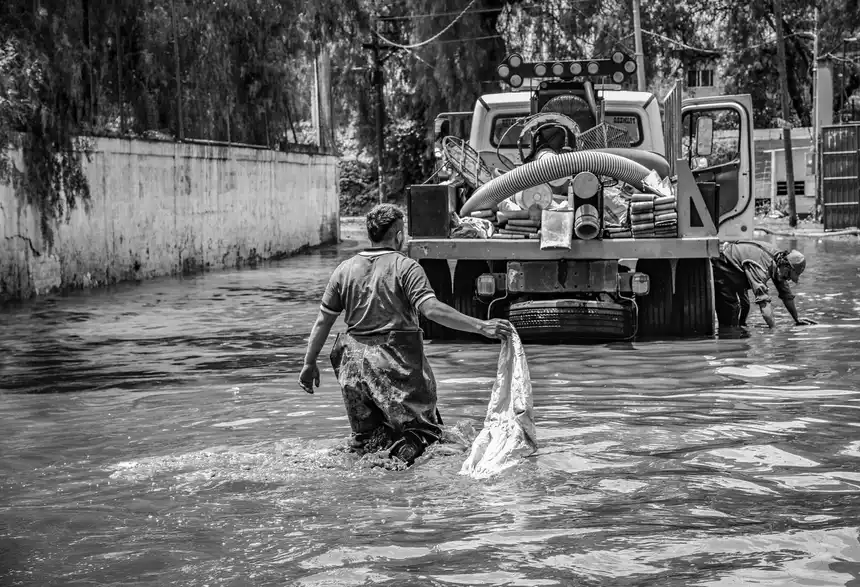
Flood cleanup covers the immediate work needed to remove water, locate affected materials, and dry the structure. We inspect the source and extent, extract standing water, map moisture, and monitor drying. Repairs such as replacing drywall, flooring, insulation, or cabinetry are planned from the inspection findings. Mold remediation, plumbing repairs, drainage work, and reconstruction are separate tasks when the condition calls for them; we explain how they connect to the water loss.
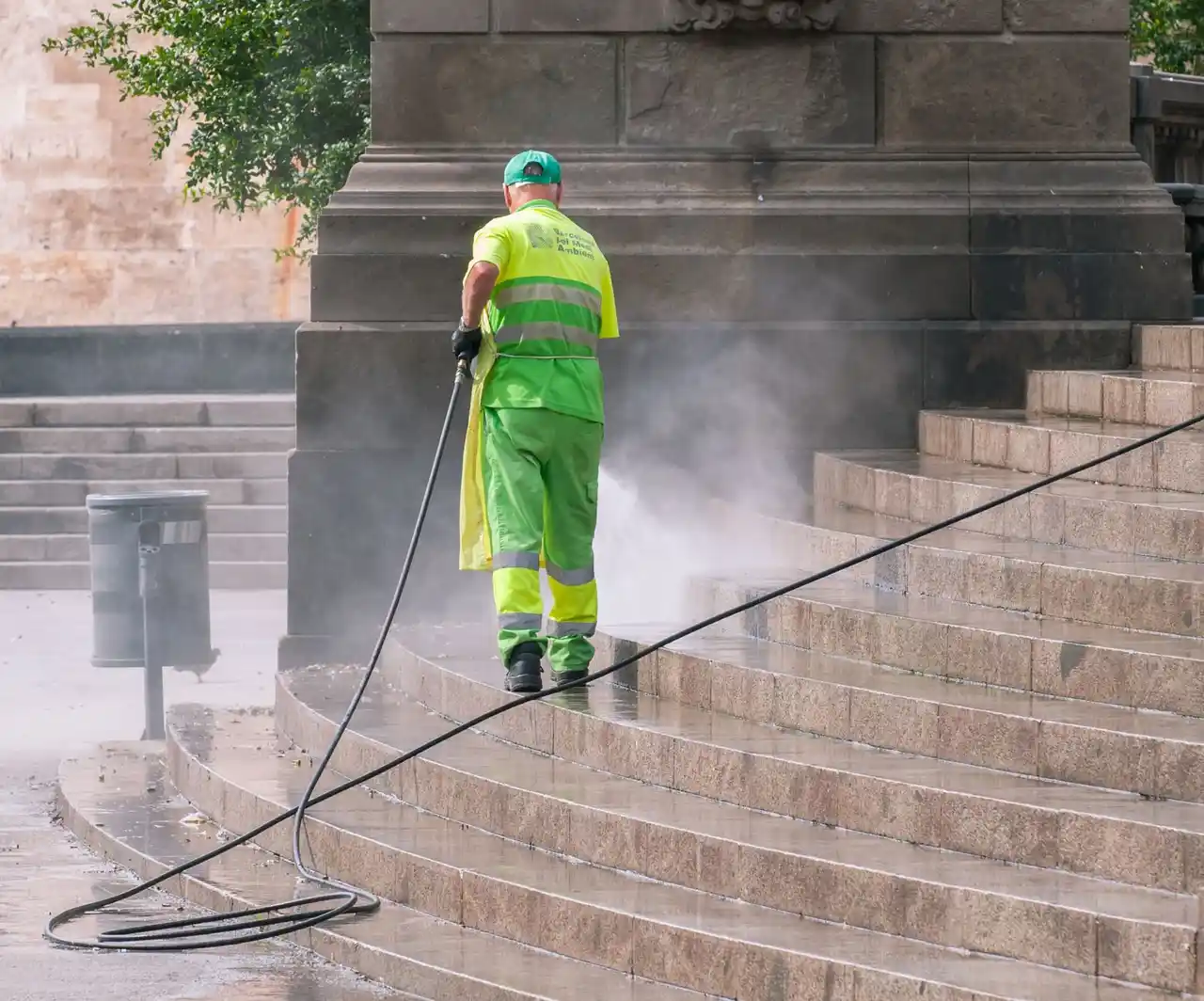
We help homeowners and tenants remove water, identify wet materials, and understand the drying steps in each affected room. You see what we checked and what needs attention before repairs begin.
We organize water removal and drying around your staff, tenants, contents, and access needs. You receive a clear view of affected areas and the work sequence that supports reopening.
flood cleanup kuna ID is a water damage restoration service that removes standing water, identifies affected materials, and dries a building after flooding. Our work starts by locating the water source and checking electrical and structural hazards. We extract water, inspect flooring and wall cavities, and map moisture in areas that look dry. A moisture meter helps track readings in drywall and flooring, while a dehumidifier and air mover support controlled drying. We record affected rooms and materials so you can follow what was removed, what is drying, and what needs repair.
Kuna homes and businesses face flooding from burst pipes, roof leaks, sump pump failure, foundation seepage, and storm runoff. Cold-weather pipe failures are a concern as winter approaches in November, while spring runoff can expose drainage problems around foundations and crawl spaces. Our Kuna flood cleanup services address the source and the wet building materials together. If you searched flood cleanup kuna ID near me, our local team serves Ada County and explains the next steps in plain language.
Remove water first, then measure drying progress in the materials that were affected.
Flood cleanup kuna ID follows a practical sequence: make the area safe, remove water, measure moisture, dry the structure, and review the results. We explain what we find as work progresses, protect unaffected areas, and keep you informed about equipment and access needs.
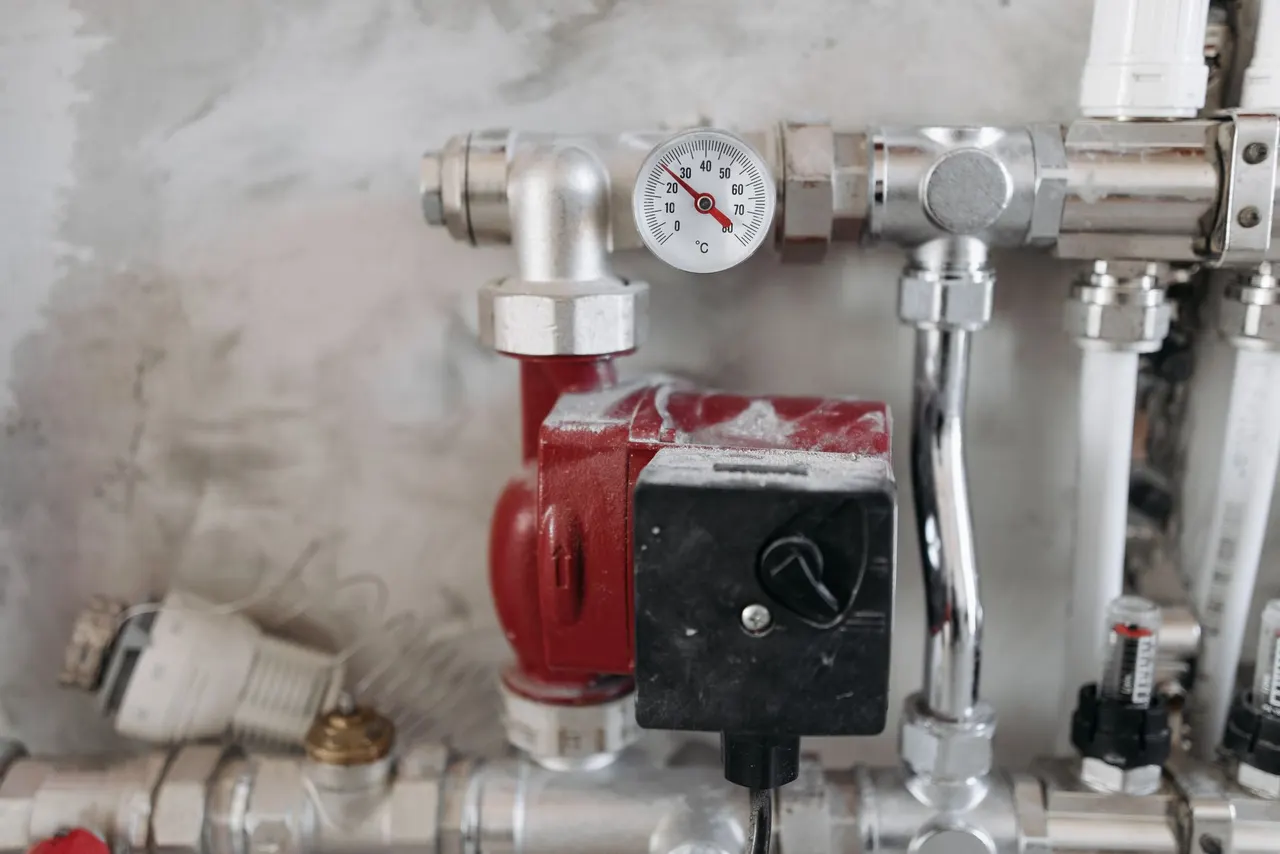
On arrival, we identify the water source, affected rooms, and any immediate hazards before moving equipment. We check whether power, a plumbing leak, or contaminated water requires isolation, then protect unaffected areas. The initial inspection commonly takes 30 to 90 minutes depending on the size and layout of the property.
We remove accessible water with a water extraction unit and, where conditions call for it, a sump pump. The time varies with water depth and floor area; a single room with shallow water can take a few hours, while multiple rooms require longer. We keep you updated on what is being removed and which surfaces remain wet.
We use moisture readings to check flooring, lower walls, and adjoining spaces, not just the visible puddle. An inspection camera can help examine selected concealed areas without unnecessary opening. We document the affected materials and use the findings to choose drying positions, identify items that need removal, and explain the work before it advances.
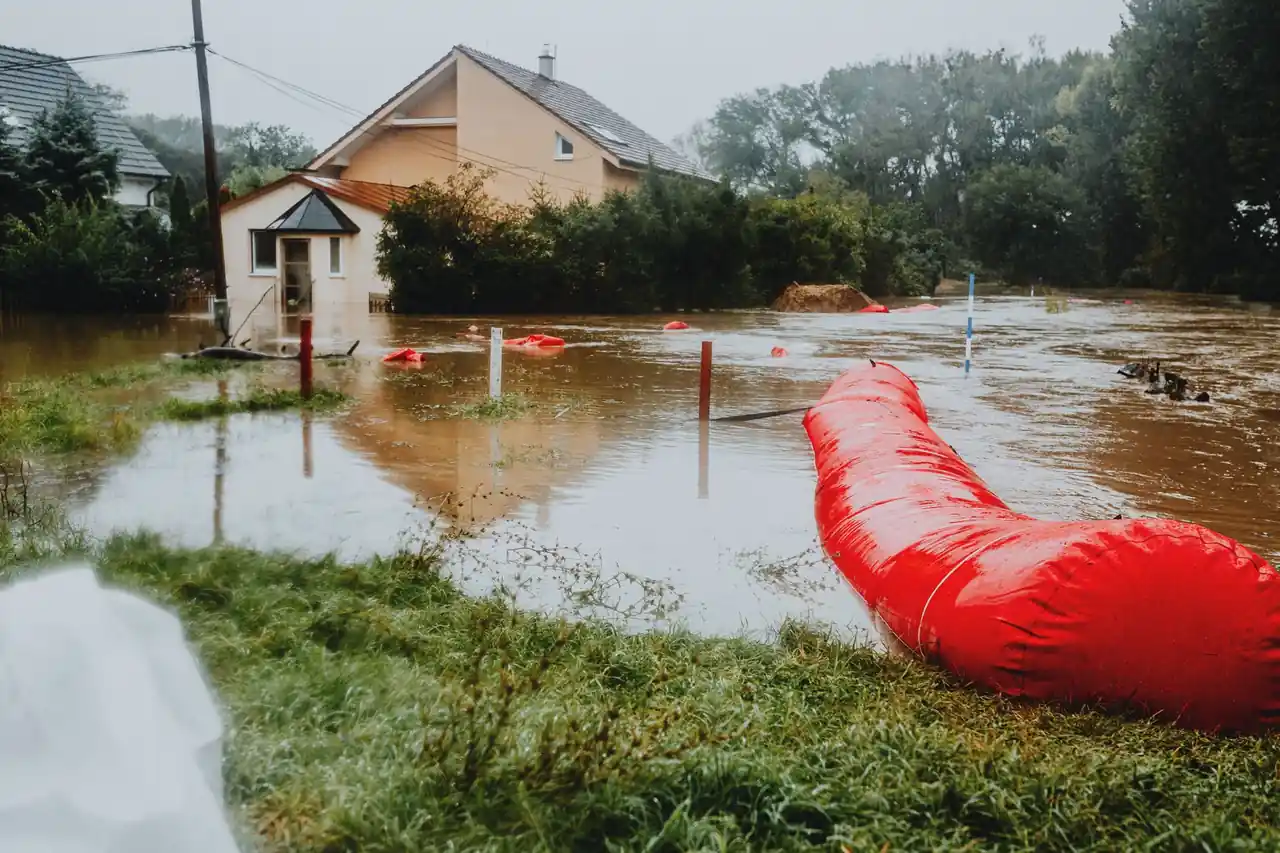
We place air movers to direct airflow across wet surfaces and use a dehumidifier to remove moisture from the room air. Equipment placement depends on room size, material, and readings; we avoid pointing airflow in a way that spreads debris. We check progress at least daily while active drying is underway.
We compare follow-up readings with the initial moisture map and adjust equipment where needed. Many clean-water losses require roughly three to five days of drying, though dense materials and hidden cavities take longer. When readings support the next phase, we review remaining repair needs, such as drywall replacement, floor work, or odor treatment.
We check moisture in materials such as drywall and flooring, then compare readings during drying. The measurements help us find damp areas that are not obvious by sight or touch.
We use thermal patterns to help locate areas that need closer moisture checks. It supports inspection but does not replace material readings or confirm moisture on its own.
This equipment removes standing water from floors and accessible surfaces after a leak or flood. Extraction reduces the water load before air movers and dehumidification are used.
Directed airflow across wet surfaces supports evaporation during structural drying. We position units according to room layout and material readings rather than aiming them indiscriminately.
A dehumidifier removes moisture from the air as wet building materials release water during drying. We use it with airflow and follow-up measurements to track the drying environment.
We use the ANSI/IICRC S500 framework to organize inspection, water removal, drying, and documentation. The process starts with identifying water conditions and affected materials, then follows measured progress. This helps keep the work tied to the actual loss rather than treating every wet room the same way.
We record affected locations and material readings at the start, then return to compare progress during active drying. If readings remain elevated, we adjust equipment or investigate concealed areas. These checks help determine when drying is complete and when repairs can proceed.
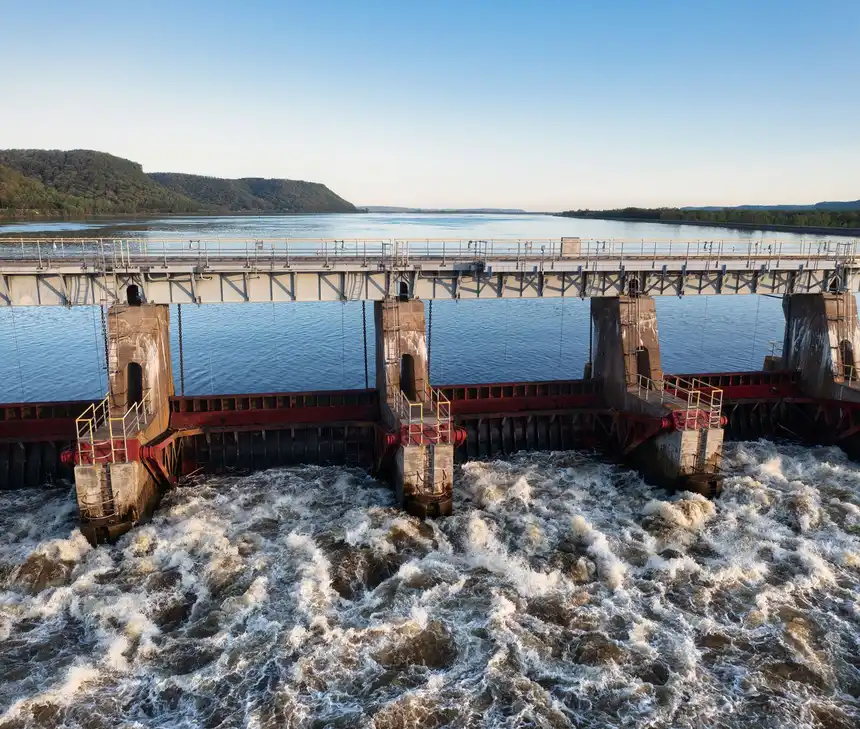
When saturated or damaged material cannot be dried effectively, we identify the affected portion and explain the reason for removal. We limit opening to the areas supported by inspection findings, protect nearby finishes, and dry exposed framing or adjoining surfaces before closing the wall.
We help you control the immediate water loss, inspect the kitchen and adjoining rooms, and extract water from accessible flooring. Our team checks lower cabinets and wall edges for moisture, then places drying equipment where readings show it is needed. The leak and wet areas are documented, standing water is removed, and you have a clear drying and repair sequence for the kitchen.
We remove pooled water, inspect floor and wall junctions, and check nearby stored contents. The findings help distinguish a one-time entry from seepage or a sump pump problem, so cleanup and the next drainage step are considered together. Your basement moves from standing water to monitored drying, with the likely entry area identified for follow-up.
We inspect the ceiling, carpet, and adjacent wall rather than treating the stain as the full extent of damage. We extract water, check for wet materials below, and coordinate drying with attention to the roof opening and tenant access. The property manager has a documented affected area, a drying plan, and a clear path to interior and roof repairs.
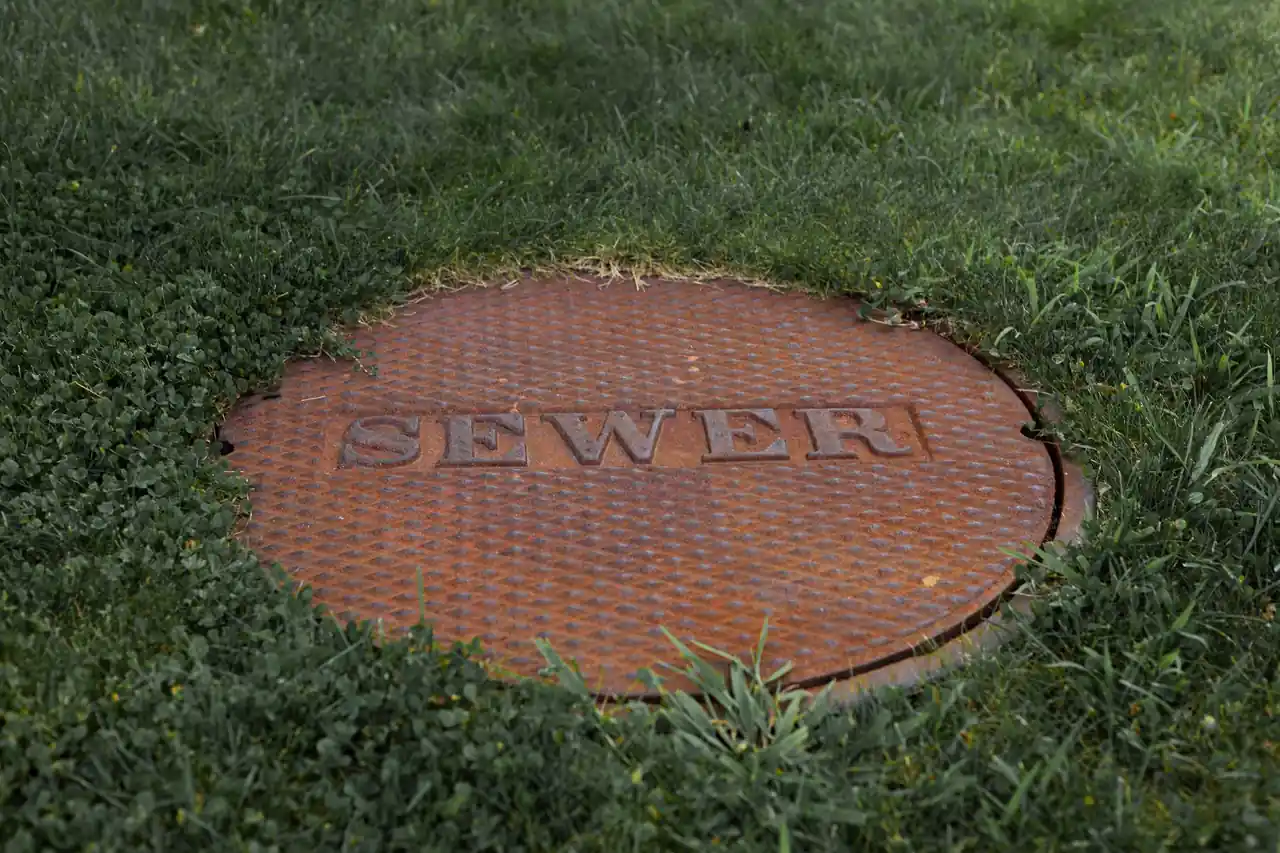
We assess safe access, remove standing water, and identify wet insulation or other affected materials. Our team checks the crawl space for moisture and discusses pump repair or replacement as part of preventing another loss. Water is removed from the accessible area, wet materials are identified, and drying and pump-related next steps are organized.
Flood cleanup kuna ID has to account for the water source, the property layout, and the season. As November brings colder nights, a frozen pipe or failed supply line can wet floors and wall cavities before anyone finds the leak. In spring, runoff and drainage patterns can expose foundation seepage or a failing sump system. Our Kuna flood cleanup services begin by identifying which situation you have, then we inspect the affected rooms and check for moisture beyond the visible damage. Newer subdivisions and established homes can have different floor plans, crawl spaces, and finished basements, so equipment placement follows the structure rather than a fixed formula. If you need same day flood cleanup kuna ID, tell us whether water is still entering and whether it is clean or contaminated. We serve Ada County, including ZIP codes 83634 and 83642, and coordinate extraction, drying checks, and repair planning around your property's condition. We also keep access and contents in mind when the affected area is a rental or business.
A failed supply line left water across the kitchen floor and beneath the edge of nearby cabinets. The homeowner had wiped the visible puddle, but the lower wall and flooring transitions remained damp. The carpet in the adjoining room felt cool, and there was no clear way to tell how far the water had traveled.
We extracted the standing water, checked the kitchen and adjoining room, and recorded moisture readings at the lower wall and floor edge. Drying equipment ran for four days, with follow-up checks showing readings moving toward the surrounding dry materials. The homeowner had a defined repair area instead of relying on the visible stain.
Check supply lines and shutoff valves periodically, especially under sinks and behind appliances. Know where the main water shutoff is located, and respond to small leaks before they spread beneath cabinets or flooring.
Water collected along one basement wall after a storm and reached stored boxes and the edge of a finished floor. The room smelled damp, and the owner was unsure whether the water came from a drain, a pump issue, or seepage through the foundation.
We removed pooled water, checked the wall-floor junction, and mapped moisture in nearby materials. The owner received a clear distinction between the area needing drying and the likely entry point needing follow-up. Two dehumidification units and directed airflow ran for five days while readings were monitored.
Keep basement storage raised off the floor and check the sump area before wet weather. After heavy rain, inspect the same wall and floor junction for new moisture so a recurring entry pattern is caught early.
A roof leak left a brown ceiling stain and damp carpet in a rental home. The tenant reported a small drip, but water had also reached the upper wall and spread across part of the room. The property manager needed to know what required drying before arranging interior repairs.
We inspected the ceiling, wall, and carpet, extracted accessible water, and documented the wet area. Drying and follow-up checks continued for three days before the repair sequence was reviewed. The manager could coordinate the roof opening and interior finish work using a defined area rather than the stain alone.
After roof repairs, inspect the ceiling and upper wall during the next rainfall. Keep furniture clear of the former wet area until it has been checked, and report any new staining or damp carpet promptly.
Water that remains in a building can damage finishes, spread into concealed spaces, and complicate repairs. Our team addresses the visible water and checks the materials around it. If you need flood water removal near me kuna ID, call with the location and source so we can focus the first inspection.
We extract water from the carpet and check the padding and flooring below. Based on condition and readings, we explain whether those materials can be dried or need removal. Then we dry the exposed structure and monitor it before new flooring is installed. A surface that feels less wet can still cover saturated padding and a damp subfloor, allowing odor and material damage to persist after the room looks clear.
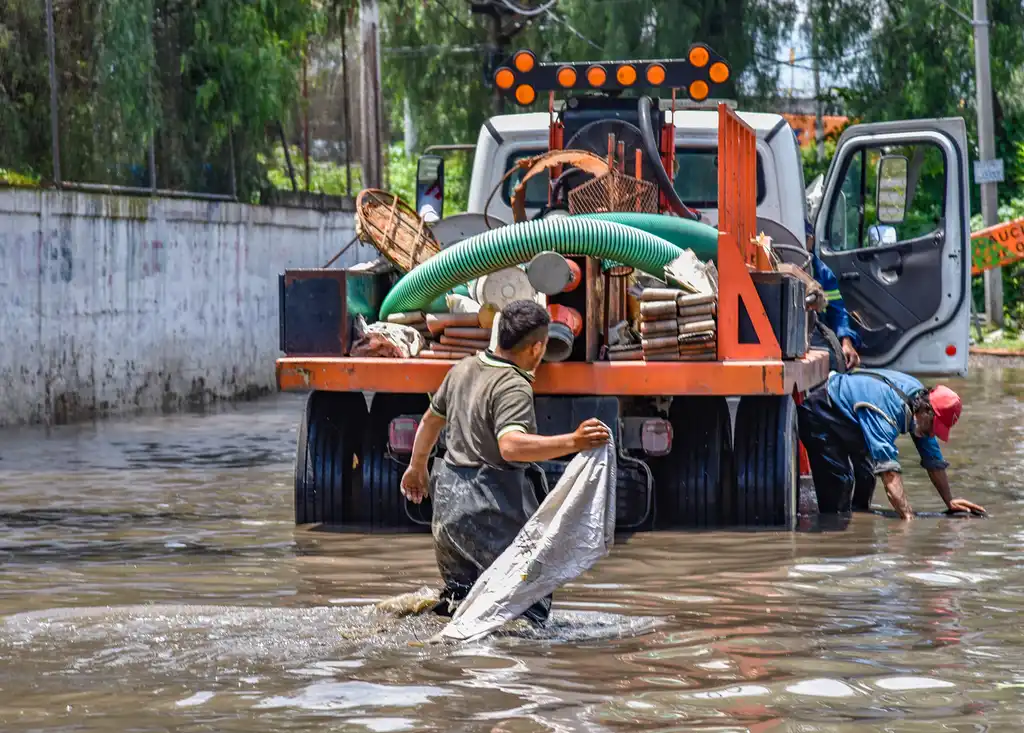
We remove standing water and trace the affected area to likely foundation seepage, drainage, or pump issues. We document the water pattern and connect cleanup to the appropriate repair discussion, helping you address the current damage and reduce repeat wetting. Repeated water entry can keep walls and stored items damp, while each new event adds moisture to materials that never fully dried from the last one.
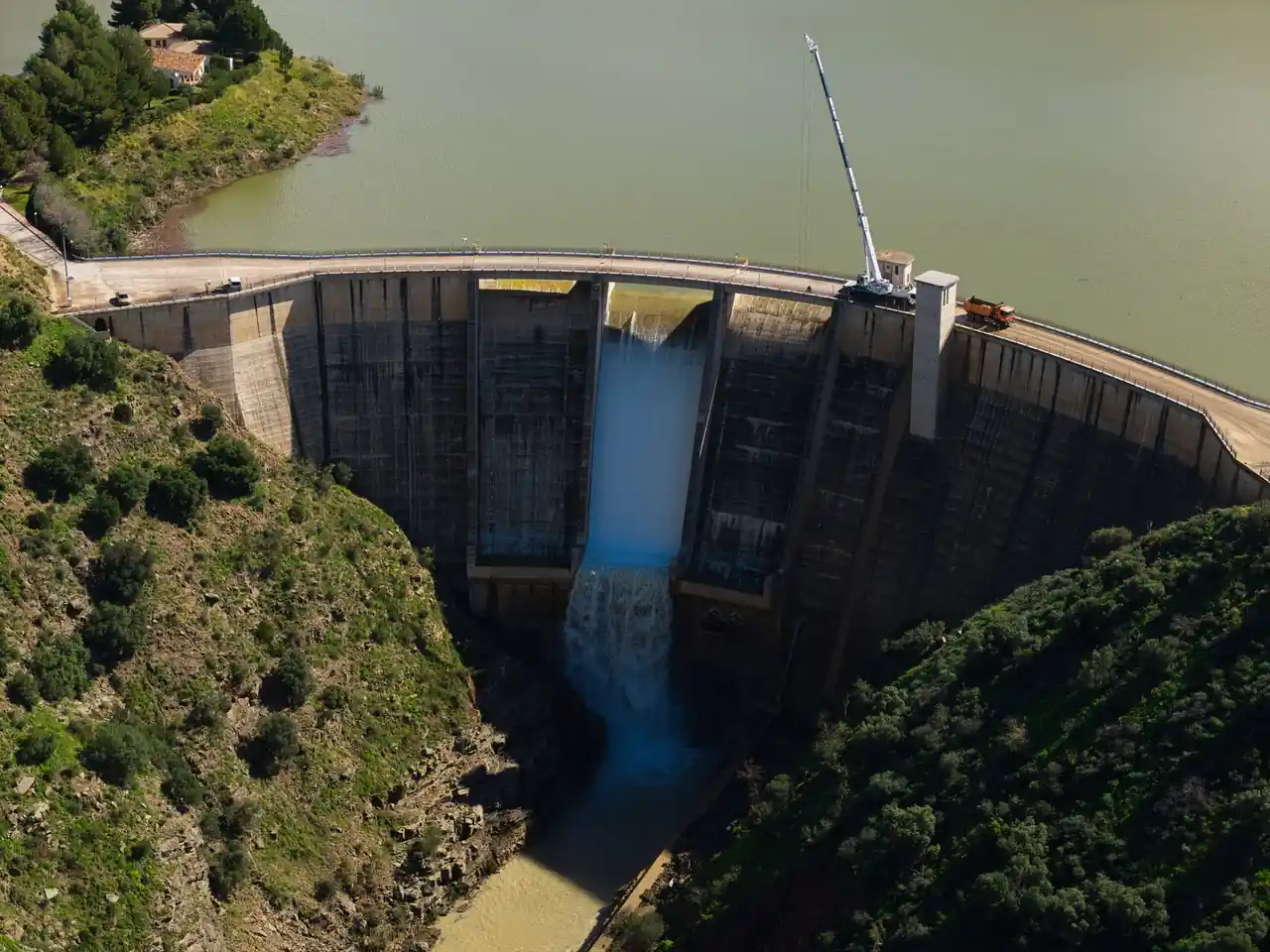
We inspect the adjoining wall and floor, map moisture, and identify material that needs opening or removal. Once the leak is controlled, we extract water and dry the remaining structure, then explain which surfaces are ready for repair. Moisture can travel behind cabinets and into drywall or insulation, leaving hidden dampness even after the visible leak has stopped and the floor is wiped dry.
We identify the affected ceiling and wall areas, remove accessible water, and check materials around the stain. We coordinate drying with the roof repair need and track moisture so damaged finishes are not closed up before the structure is ready. Water can stain ceilings, soak insulation, and run down wall cavities, making a small roof opening a larger interior restoration problem.
We extract standing water and isolate affected areas before moisture travels farther through flooring and wall cavities. A water extraction unit clears surface water, while targeted checks help us find wet edges beyond the obvious stain. This early control reduces the area requiring drying and gives you a clearer repair plan.
We check carpet, hardwood flooring, drywall, and contents separately instead of treating every wet item the same way. Drying readings guide the decision to preserve or remove material. For example, carpet padding that remains saturated after extraction often needs removal, while solid surfaces may respond to controlled drying.
We take and record moisture readings at the affected materials during the drying period. Your team can compare each check with the starting condition rather than relying on touch or appearance. If you need residential flood cleanup kuna ID, this measured approach helps identify when the structure is ready for repair.
After extraction and drying, we identify repairs such as replacing damaged baseboards or opening wet drywall. You receive a practical sequence for restoration, including which areas need attention first. Clear documentation also helps you discuss the loss with your insurer and avoid overlooking moisture behind finished surfaces.
Clear records you can keep and share.
Affected locations and readings documented.
Follow-up measurements during equipment use.
Next steps for damaged materials identified.
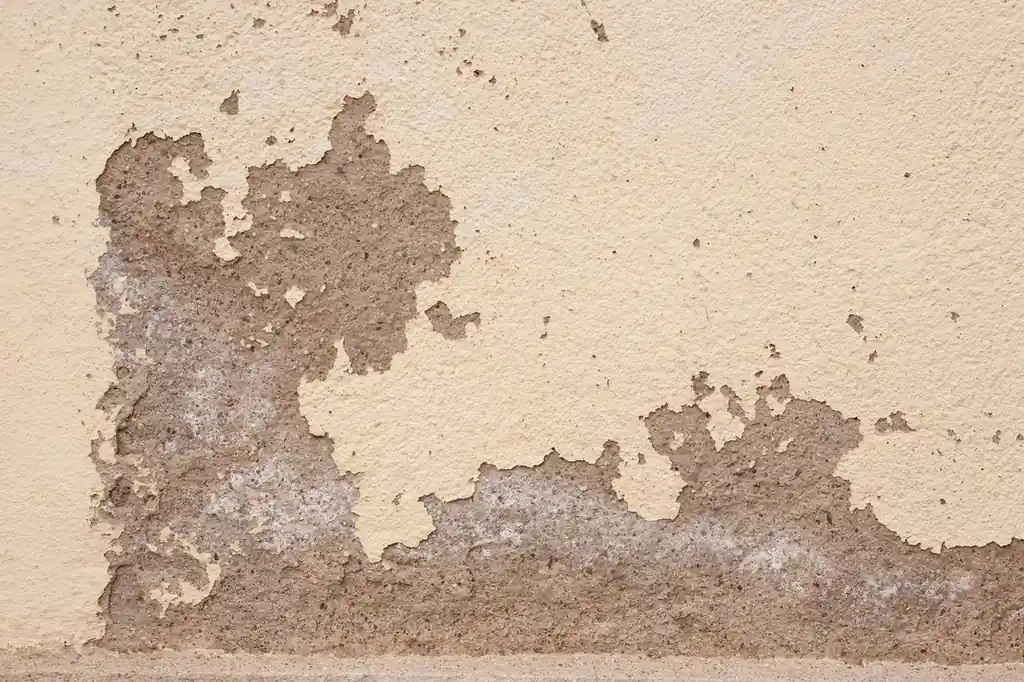
A floor can look dry while water remains in padding, wall cavities, or subfloor layers. We check materials and use readings to decide what needs drying or removal.
A stain shows where water appeared, not necessarily where it traveled. We inspect nearby surfaces and transitions to locate damp materials.
Drying addresses moisture in materials that can remain in place. Damaged or saturated materials may need removal and replacement before finishes are restored.
Water source affects handling and cleaning steps. We identify whether the loss involves a supply line, storm entry, or sewage before choosing the work approach.
Outside these neighborhoods? Call and ask about service for your address. (833) 546-4116
Kuna water damage restoration handles flood cleanup for homes and businesses in Kuna, Idaho. Call (833) 546-4116 and describe the water source, affected rooms, and whether water is still entering. Our team inspects the damage, extracts standing water, maps moisture, and explains the drying plan. If the water involves sewage or another contaminant, tell us before entry so the right precautions can be taken.
In 2026, flood cleanup commonly ranges from about $500 to $6,000 for extraction and drying, with extensive demolition or reconstruction costing more. The final amount depends on water depth, affected square footage, contamination, material removal, and drying duration. Flood damage cleanup kuna starts with the actual site conditions; we explain pricing upfront before proceeding with the work.
Homeowners insurance often covers sudden accidental water damage, but coverage for rising floodwater depends on your policy and flood coverage. Contact your insurer promptly, photograph damage, and keep receipts for urgent mitigation. We document affected materials and drying work to support your claim, but your insurer determines coverage. Water from a burst pipe is commonly treated differently from surface flooding.
Water extraction often takes several hours, and structural drying commonly takes three to five days; repairs can add days or weeks. The timeline depends on how much water entered, whether insulation or wall cavities are wet, and the materials involved. We check readings during drying and explain when the structure is ready for the next repair stage.
Standing water can move into flooring and wall cavities while you wait. Call (833) 546-4116 and tell us where the water is, how it started, and which rooms are affected. Our team will discuss the cleanup and the next practical step for your Kuna property.
Call (833) 546-4116 when water reaches your home or business in Kuna, Idaho. Tell us whether the source is still active, which rooms are affected, and when the damage began; that helps direct the next steps. Calls are accepted at any hour for emergency inquiries, and service coverage includes Kuna, ID, with ZIP codes 83634 and 83642.