Affected-area record
Observed wet rooms and materials noted.
24/7 water extraction kuna ID helps homeowners, tenants, and business managers respond when a burst pipe, appliance leak, or storm leaves water indoors. Our team removes standing water, checks affected materials, and begins targeted drying so damage does not keep spreading while you wait. Call (833) 546-4116 for emergency water extraction kuna and tell us where the water is, how deep it is, and whether the source is still active.
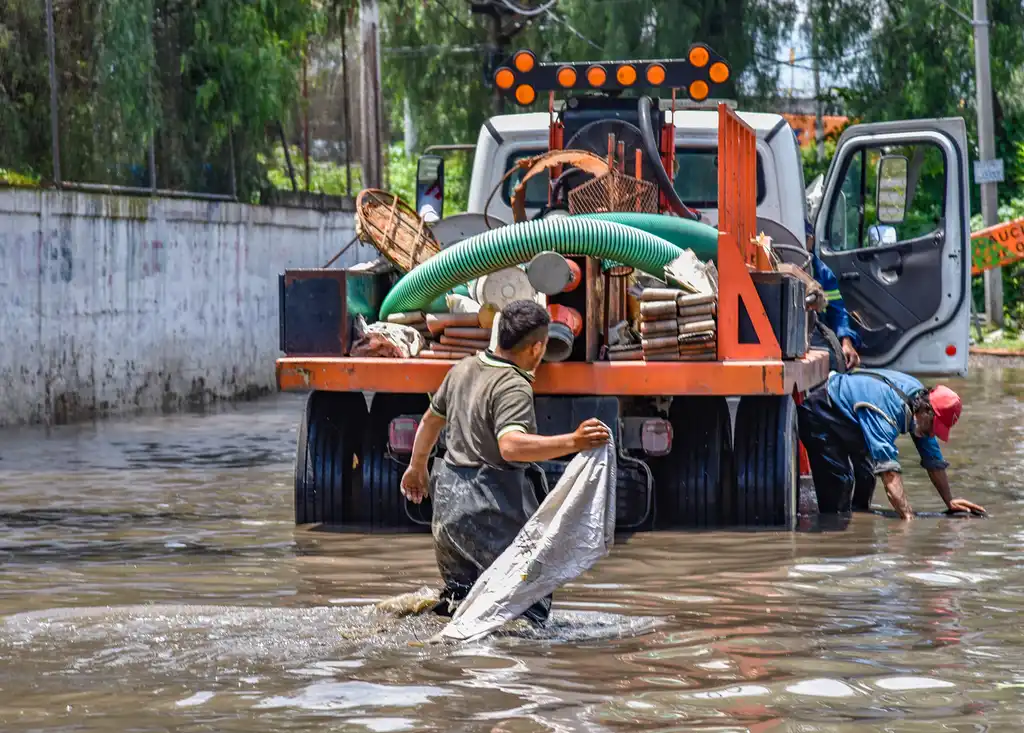
Extraction covers the initial inspection, removal of accessible standing water, moisture checks, and placement of drying equipment when conditions call for it. We explain what we find and what the next phase involves. Structural repairs, plumbing work, extensive demolition, and specialized sewage cleanup are separate tasks when the damage requires them; we identify those needs rather than treating every loss the same.
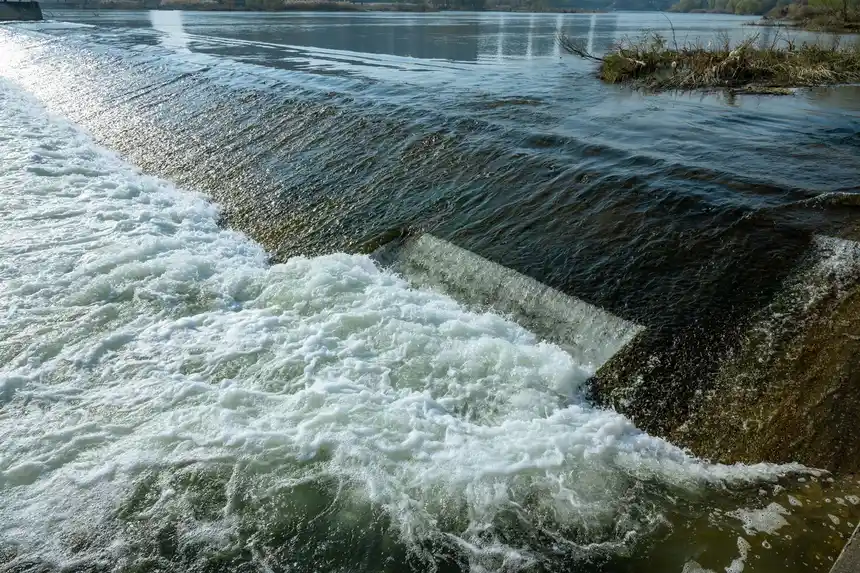
A leaking pipe or appliance can soak your floors before you find the shutoff. We remove accessible water, check affected materials, and explain the next drying steps in plain language.
Water in a work area can disrupt staff, customers, and equipment. We plan extraction and drying around safe access, affected materials, and the routes your building needs to keep open.
24/7 water extraction kuna ID is an emergency water mitigation service that removes standing water and begins drying wet building materials after a leak or flood. We first address immediate safety and the water source, then use a water extraction unit or sump pump to remove water from floors and low areas. A moisture meter helps us identify damp drywall, baseboards, carpet padding, and other materials that look dry on the surface. We record readings, set appropriate drying equipment, and recheck conditions rather than relying on appearance alone.
Kuna homes and commercial spaces can face water from a burst pipe, frozen pipe, roof leak, sump pump failure, or foundation seepage. A fast response matters because water moves beneath flooring and into wall cavities before the visible puddle is gone. For emergency water removal in kuna Idaho open now, call with the source, approximate affected area, and any electrical or sewage concern. We use that information to plan safe access and the first extraction steps.
Removing bulk water first gives measured drying a clear starting point.
24/7 water extraction in kuna starts with a clear account of the water source, affected rooms, and immediate hazards. We explain the first actions, protect the path to the work area, and separate water removal from the drying and repair decisions that follow. The duration depends on the volume and materials involved.
When you call, we ask where the water is coming from, whether the leak has stopped, what rooms are affected, and whether the water may contain sewage. If it is safe, shut off the supply and avoid wet electrical areas. We use your answers to prepare the right extraction equipment and identify access or safety concerns before arrival.
On arrival, we check the affected area, look for hazards, and confirm the water source is controlled or report what still needs attention. We protect the access route and inspect floors, wall edges, and nearby rooms. A small room may take about 30 to 60 minutes to assess; extensive flooding requires more time and a broader moisture map.
We use a water extraction unit for water on floors and a sump pump where deeper pooling calls for it. Extraction time ranges from roughly 1 to 4 hours for many contained residential losses, but a large crawl space or multi-room event takes longer. We keep you informed as visible water is removed and newly exposed areas are checked.
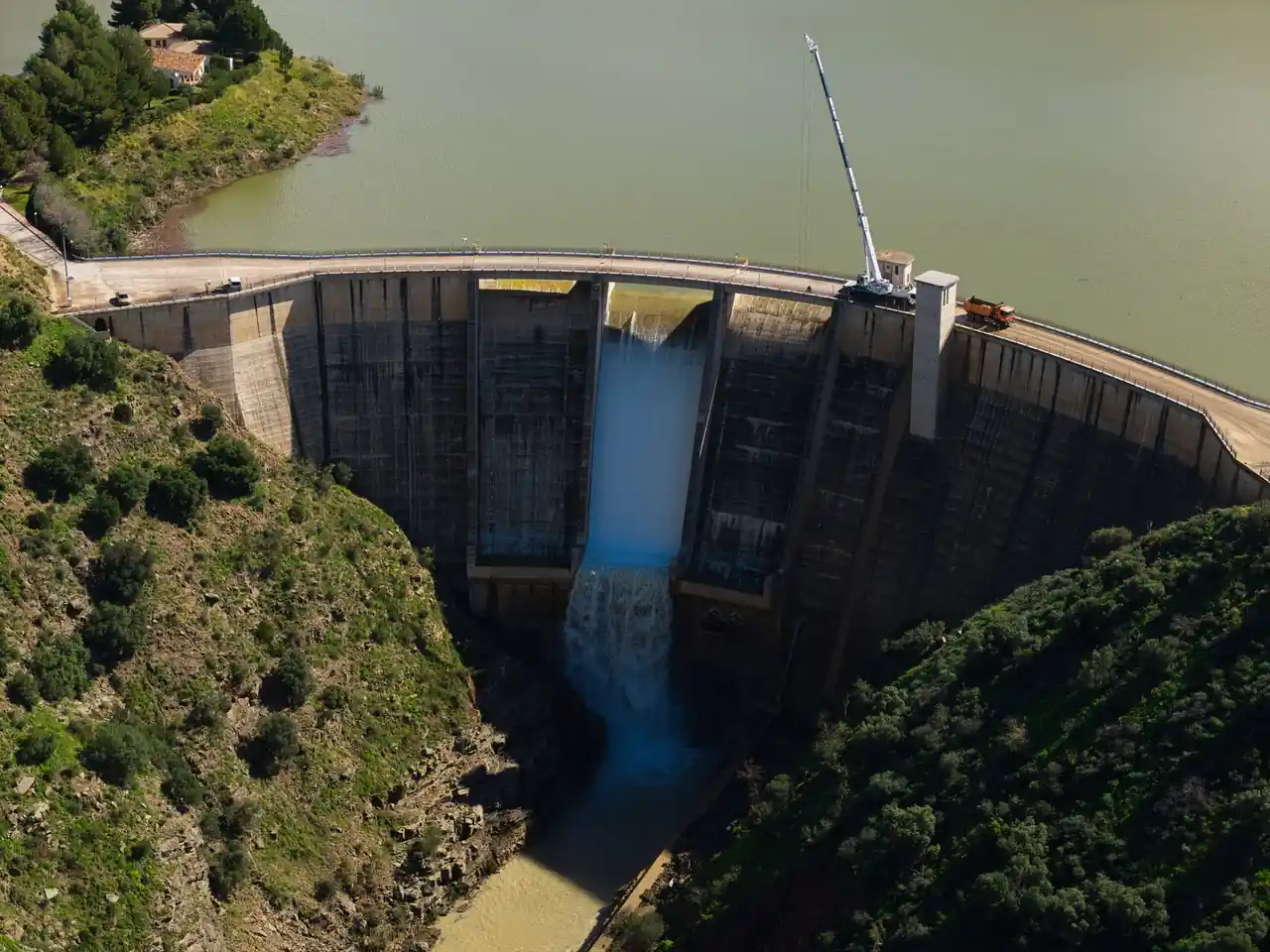
After extraction, we place air movers and a dehumidifier based on the room layout and material readings. We avoid aiming airflow blindly into a wall cavity or across contamination. You will see where equipment is placed, what it is intended to dry, and which areas need another measurement during the next check.
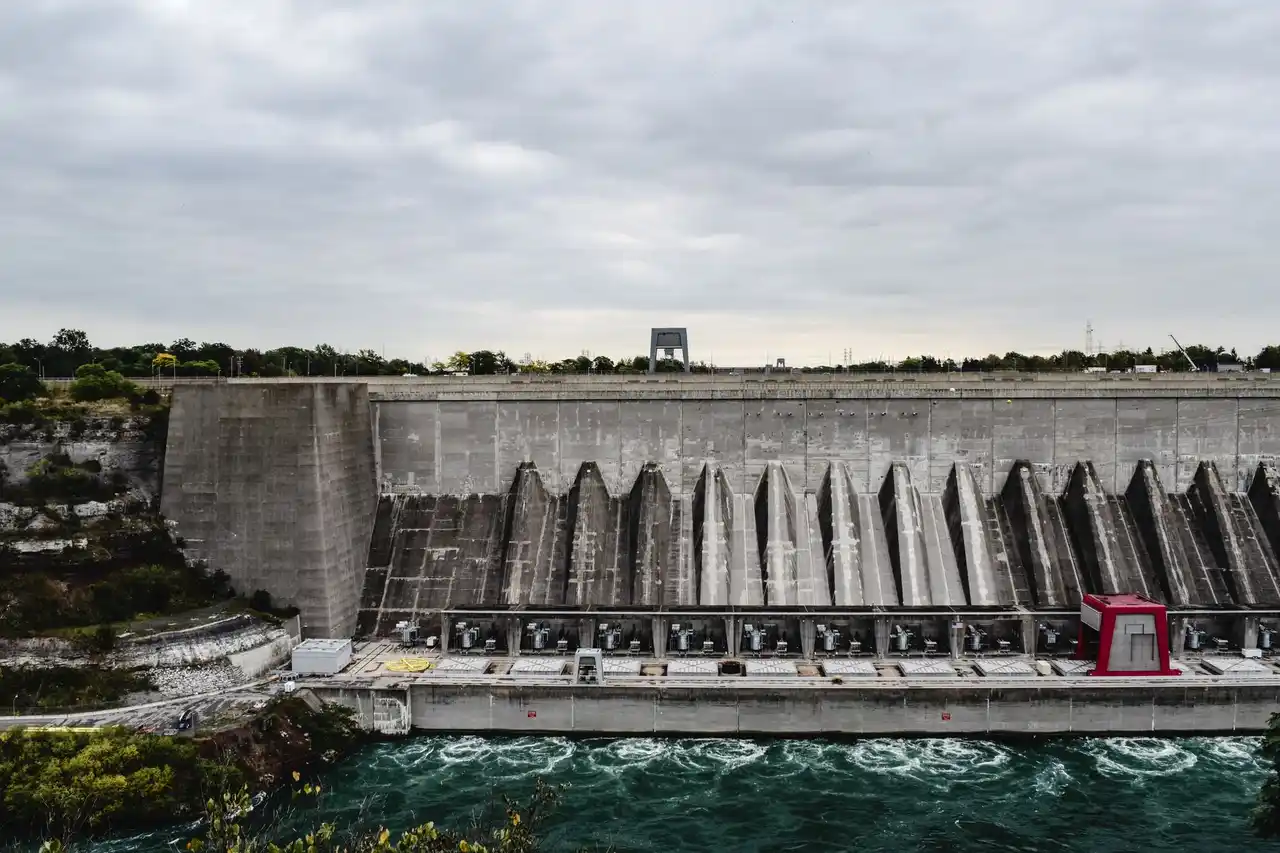
We return to measure moisture and humidity, then adjust or remove equipment as readings improve. Drying commonly takes 3 to 5 days, though dense materials and concealed water can extend that period. We record the progress and explain the remaining repair needs, such as replacing saturated insulation or repairing damaged drywall.
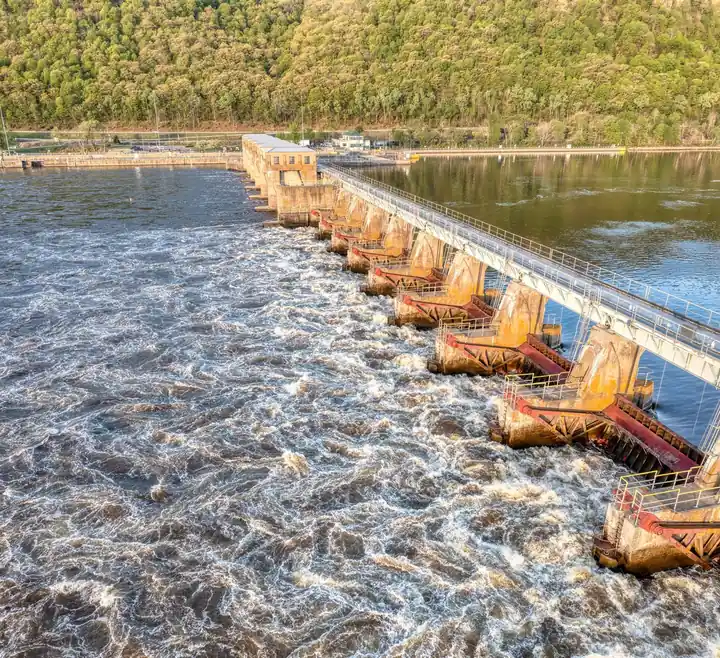
Removes pooled water from flooring and carpeted surfaces so structural drying can begin with less moisture in the affected area.
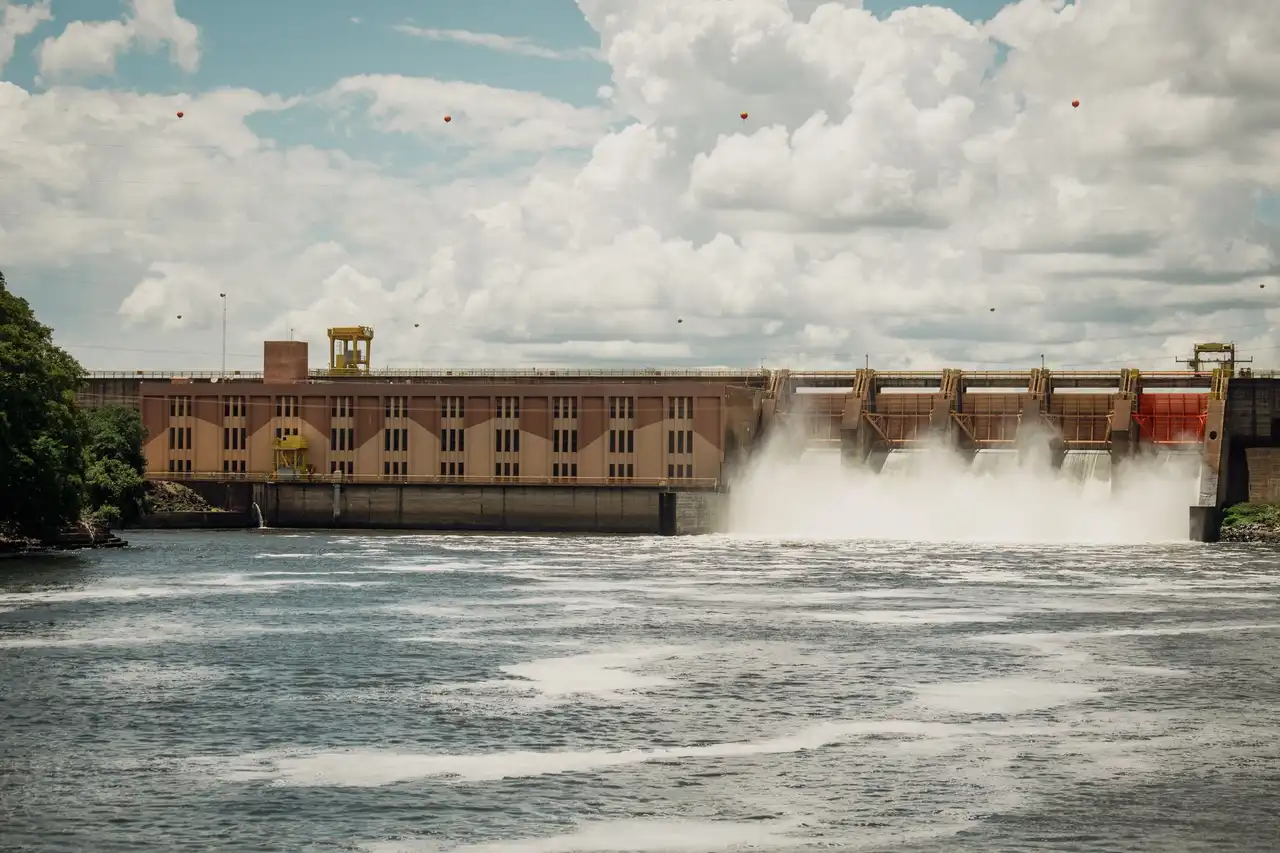
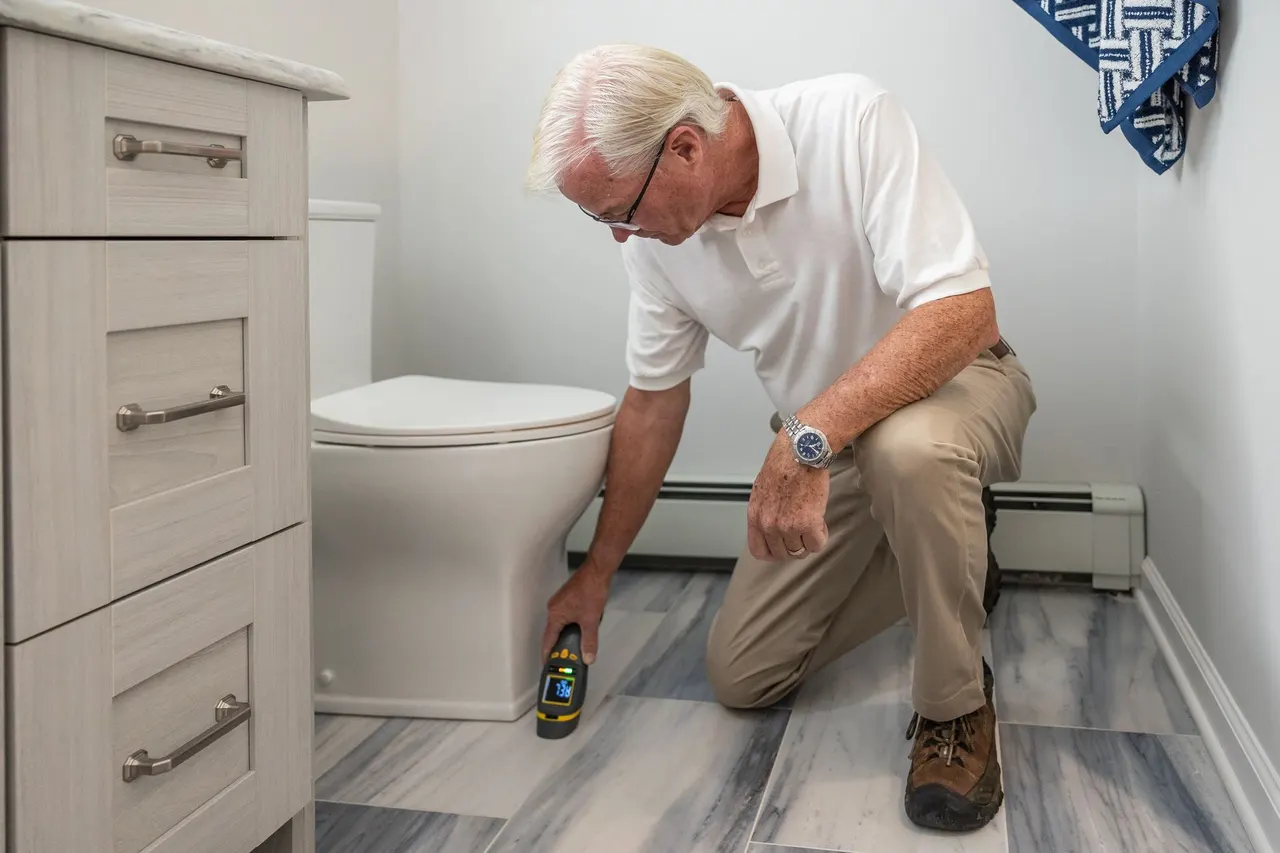
Checks moisture levels in materials such as drywall, wood, and baseboards, helping us track changes during the drying process.
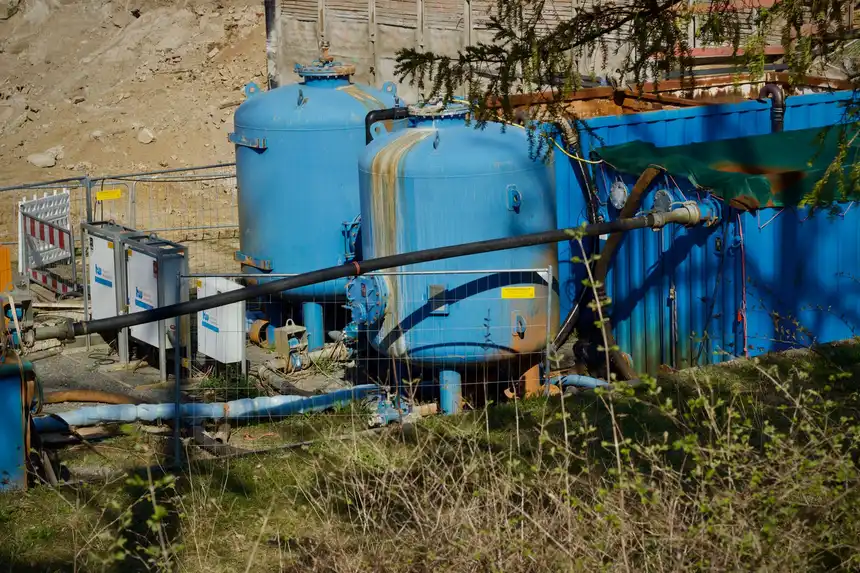
Shows temperature patterns that can help identify areas for further moisture investigation; we confirm findings with direct readings.
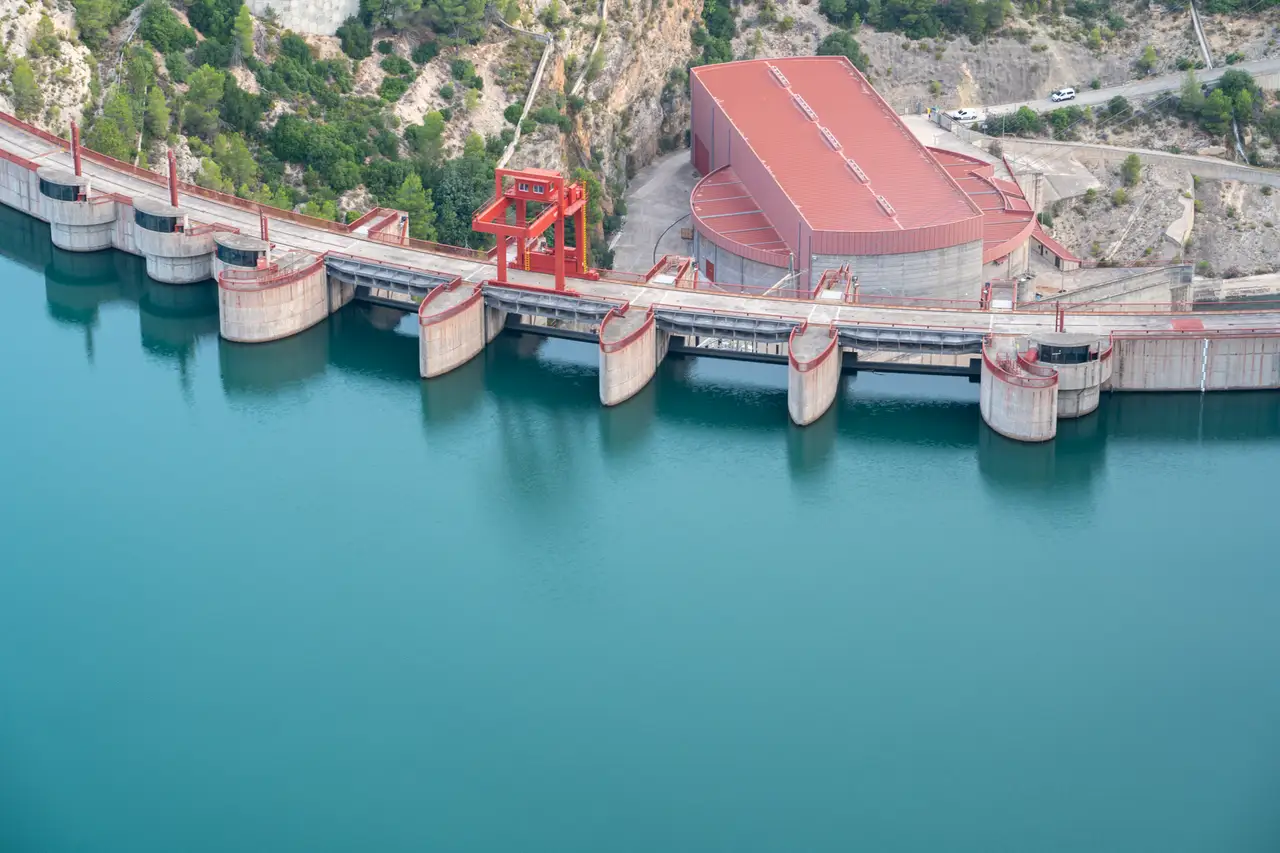
Air movers support evaporation while a dehumidifier removes moisture from room air; we place and adjust them based on conditions.
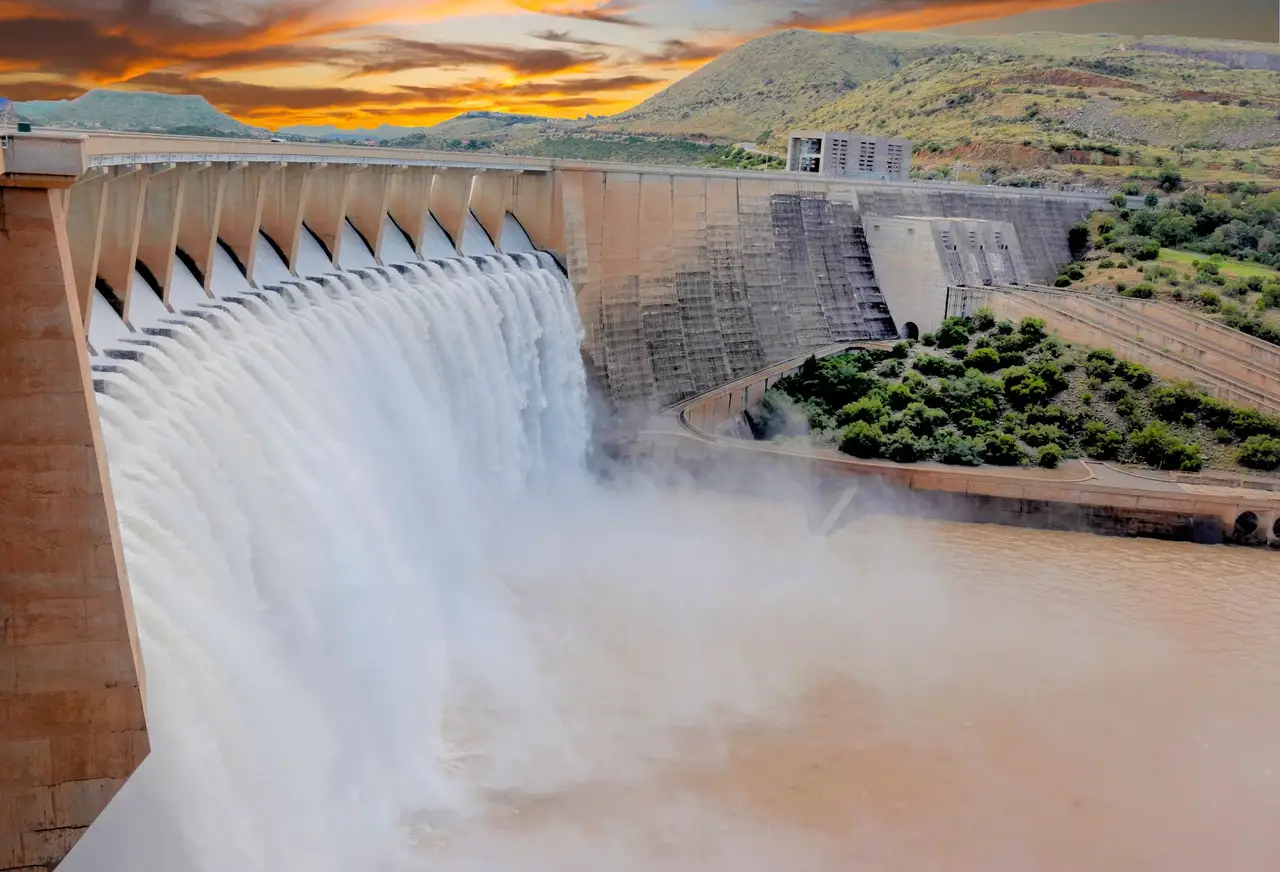
Dri-Eaz drying equipment supports controlled air movement and humidity reduction in affected rooms after standing water is removed.
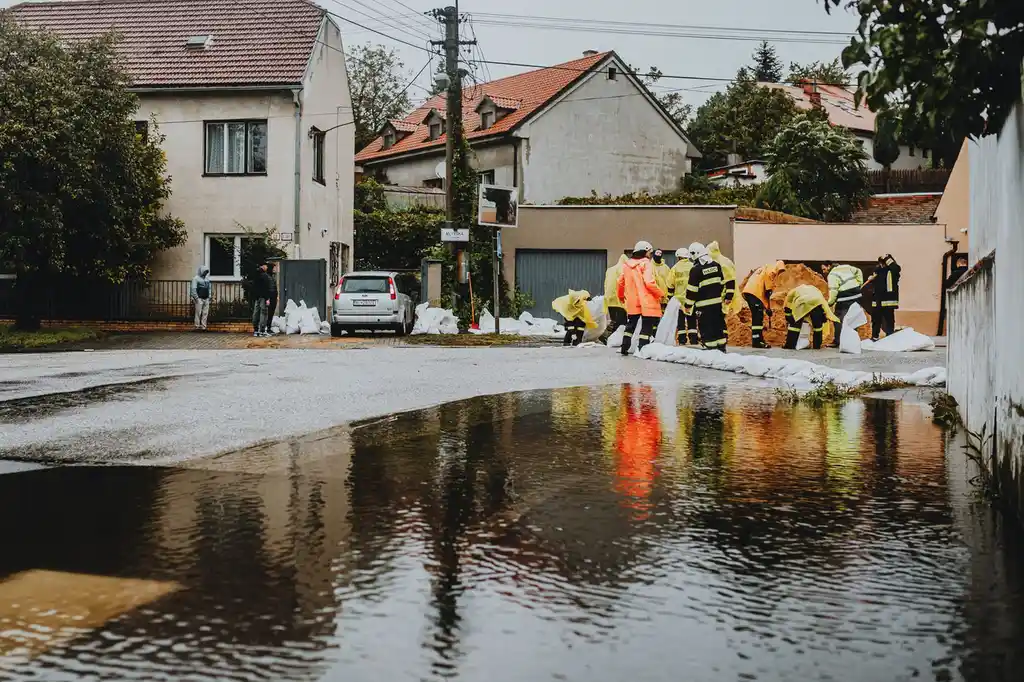
Moves deeper pooled water from a basement, crawl space, or other low area where a standard surface extraction approach is insufficient.
We use the ANSI/IICRC S500 as a technical reference for assessing water losses and planning mitigation. The work begins with source control and safety, continues through bulk water removal and material evaluation, and uses measured drying progress to guide equipment changes. Water category and affected materials influence cleanup decisions.
We record readings in affected materials and compare them with suitable dry reference areas. Mapping helps show the water path, identify rooms that need attention, and measure change during follow-up visits. It is especially useful when a small visible leak has reached flooring edges or wall cavities.
We first confirm the supply is shut off and identify any electrical hazard near the water. Our team removes pooled water, checks cabinets and flooring, and measures nearby wall materials. If water has traveled beneath finished flooring, we explain the access and drying options before proceeding. You get the standing water removed and a defined plan for checking hidden moisture, rather than waiting for swelling or staining to appear.
We assess safe access, clear water from floors, and map affected rooms so staff can keep away from wet or damaged areas. We check ceiling materials and wall edges, then place drying equipment where it will not obstruct essential routes. We record the initial condition for the manager. The business gets a cleaner work area and a practical account of what needs drying or repair before normal use resumes.
We inspect access and safety, pump standing water from the low area, and check framing and insulation for moisture. We assess whether water is still entering and note pump or drainage concerns. Once bulk water is gone, we place drying equipment according to readings and the space layout. The crawl space is cleared of pooled water, with damp materials and possible repeat-entry points identified for follow-up.
We stop or isolate the water source, extract the visible water, and check both carpet and padding. We inspect adjoining baseboards and flooring transitions because water often spreads past the wet footprint. Drying equipment is set after the first readings establish where moisture remains. You know whether the carpet assembly can be dried, what needs further monitoring, and whether nearby materials were affected.
In kuna, a water loss can start with a frozen pipe during a cold November night, a roof leak during wet weather, or a sump pump failure after runoff reaches a low area. Our team asks what happened and where the water is before choosing an extraction approach. Homes with carpet, hardwood flooring, and finished lower levels need different checks; commercial spaces also need clear access around equipment and walkways. Emergency water removal kuna ID begins with controlling the source and removing bulk water, then we measure affected materials and set drying equipment if readings call for it. If you are looking for 24 hour water extraction in Kuna Town Center ID, tell us whether water is still entering and how many rooms are affected. We serve Ada County and use the address to coordinate the route and access plan. For properties in ZIP codes 83634 and 83642, we check floor edges, wall bottoms, and nearby rooms so moisture is not judged by the visible puddle alone. We explain what we find and what the next check should cover.
A failed supply connection left water across a kitchen and into the hallway. The carpet edge felt damp, but water had also reached the cabinet toe-kick and baseboards. The homeowner could not tell whether the hardwood transition was wet beneath its surface, and the leak source had only just been shut off.
We extracted the visible water, checked the cabinet edge and flooring transition, and recorded moisture readings in the affected materials. Air movers and a dehumidifier were positioned for the wet area, then readings were checked again during follow-up. The homeowner had a clearer map of what dried and what required repair.
Check supply connections beneath sinks and appliances for drips, corrosion, or movement. Keep the shutoff valve accessible, and call promptly if water reaches flooring seams or cabinet bases.
A failed sump pump left several inches of water across a basement floor after heavy rain. Stored boxes had absorbed water, and the lower wall edges were damp. The standing water prevented the family from seeing whether seepage continued around the perimeter.
We pumped out the pooled water, checked the perimeter and stored contents, and measured the lower wall materials. Drying equipment was set after extraction, with follow-up readings used to track progress. The family could separate salvageable belongings from items that had absorbed too much water.
Keep the sump pit clear of debris and have the pump tested before wet weather. Move stored belongings off the floor and watch for repeat water at the same wall or corner.
A roof leak left ceiling stains and water across two office rooms before staff arrived. The visible damage was limited to one ceiling corner, but carpet and wall edges nearby felt damp. The manager needed a clear assessment without blocking the main route through the workspace.
We removed water from the affected floor, checked nearby wall and ceiling materials, and placed equipment outside the primary walkway. Moisture readings identified the areas needing another check, while the manager received a record of the affected rooms and remaining roof concerns.
Inspect ceiling stains after heavy weather and address roof openings before the next rain. Keep the area below a new stain clear until the ceiling and insulation have been assessed.
Water that remains indoors can move under floors, soak wall materials, and create conditions for mold growth. Our extraction work targets the immediate water first, then checks where moisture traveled. You get a practical response for common kuna losses, from a leaking appliance to a flooded crawl space.
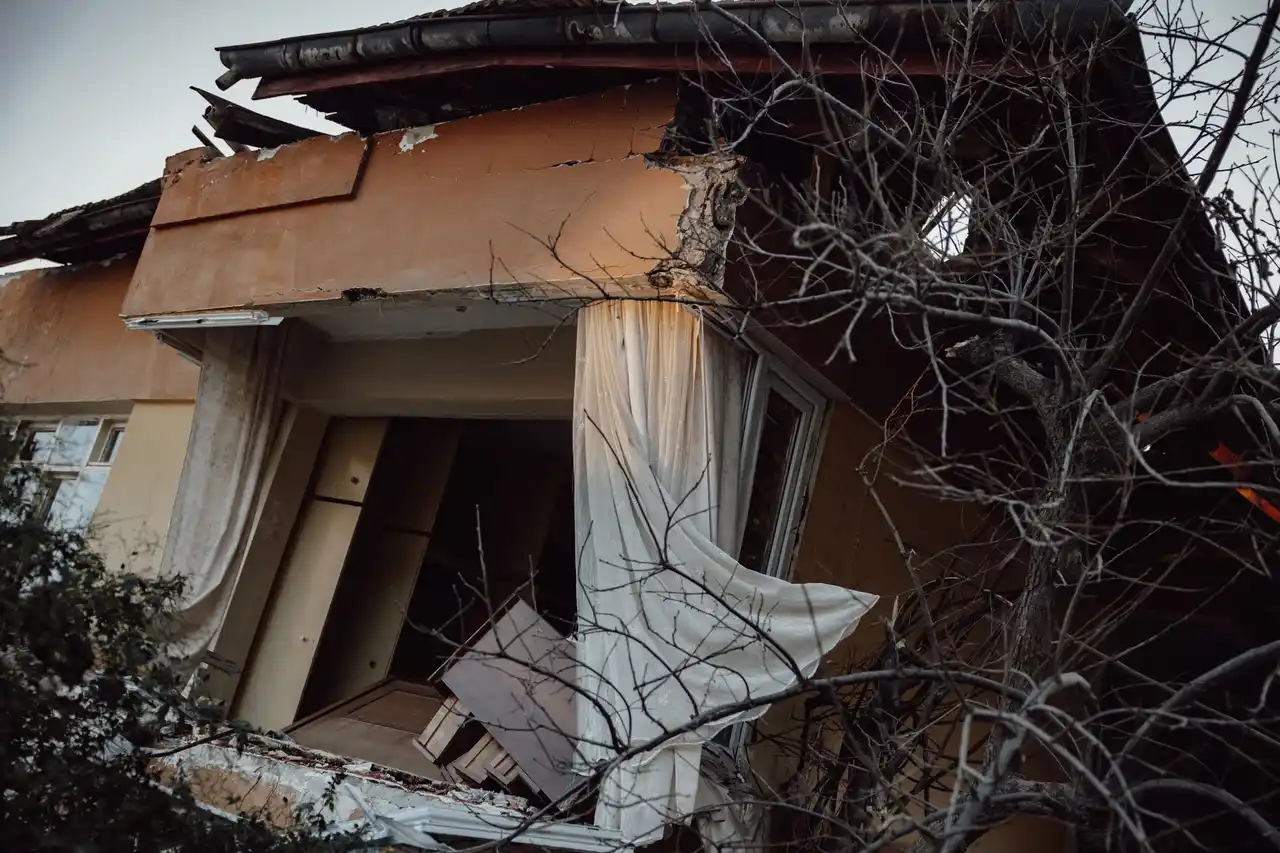
We help confirm the source is controlled, remove standing water, and measure the affected floor and wall edges. We set drying equipment where readings show moisture remains and return to check progress. If drywall or insulation is saturated, we explain the removal or repair decision before the area is closed. Water can reach carpet padding, baseboards, and drywall quickly. If it remains trapped, repairs become more extensive and drying becomes harder to track.
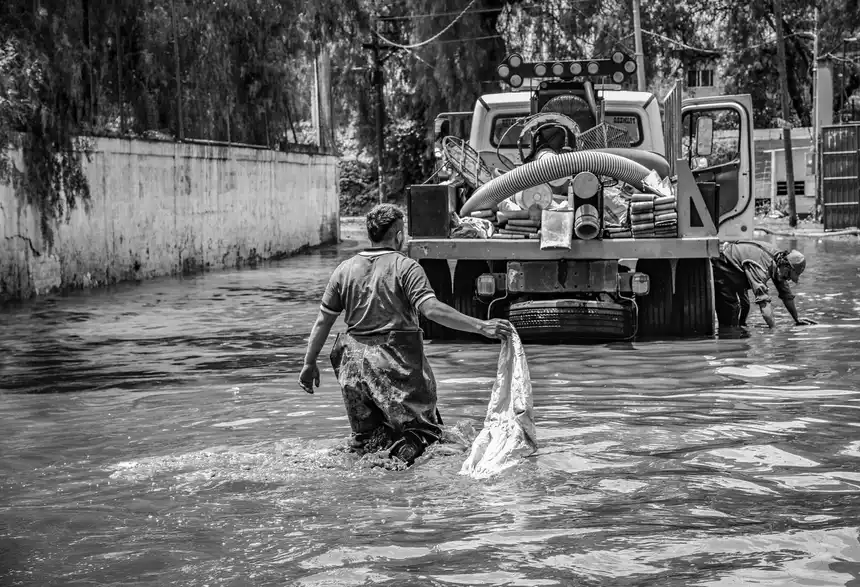
We pump out pooled water, assess the floor and perimeter walls, and note whether water appears to be entering again. We then begin drying and explain any pump or drainage issue that needs attention. You will know which materials are affected and what should be checked during follow-up. Pooled basement water can damage stored belongings, flooring, and lower wall materials. It can also hide seepage that continues after the first water is removed.
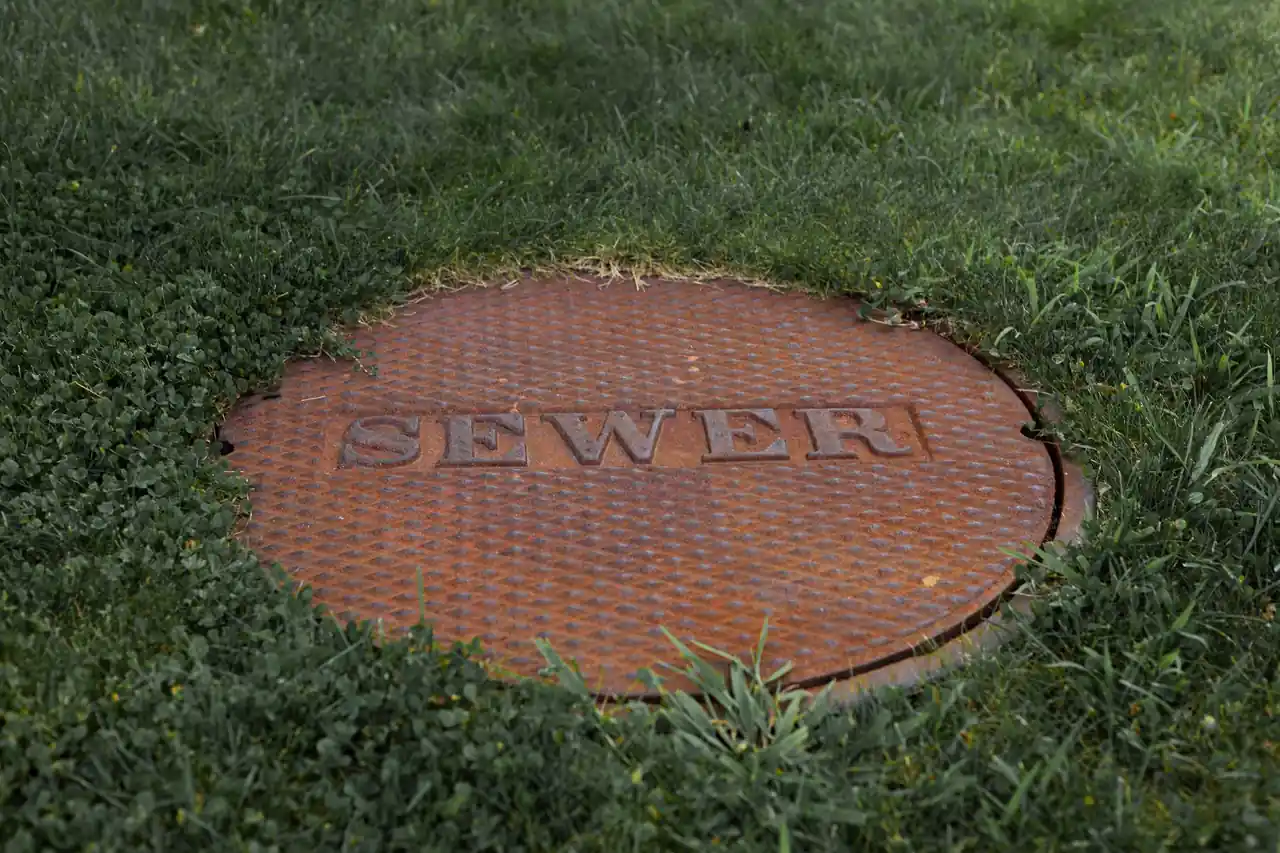
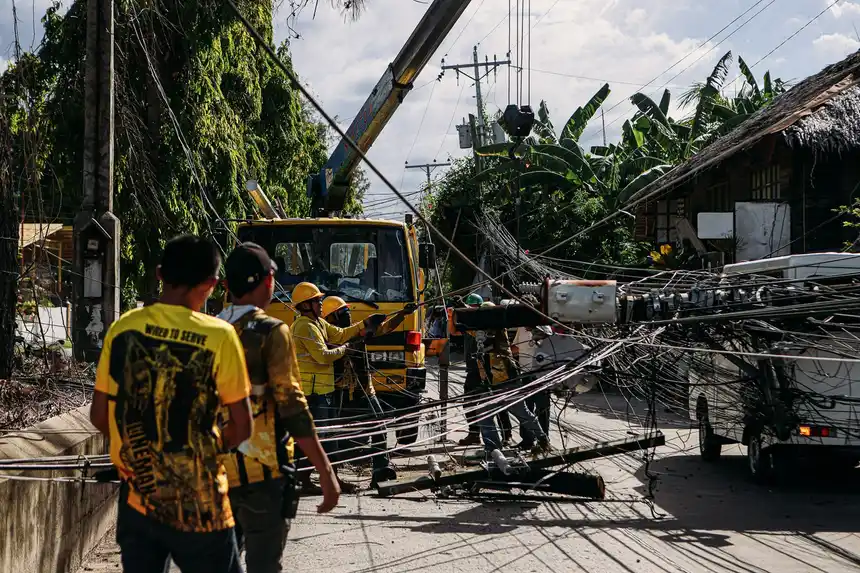
We inspect the affected room, check for active dripping, and remove water from accessible surfaces. We assess nearby materials and document signs of concealed moisture, then explain what needs roof protection or ceiling repair. Drying the interior works best once the entry point is controlled. Moisture can spread above the ceiling and down wall cavities, even when the visible stain is small. Continued entry can undo interior drying work.
We extract water from the carpeted area and check edges, transitions, and adjacent flooring. Readings help determine whether the carpet and padding can be dried or should be removed. We set suitable airflow and humidity control, then monitor the area rather than relying on touch alone. The surface may feel nearly dry while carpet padding holds water underneath. Odor and material damage can follow if hidden moisture is overlooked.
We remove accessible standing water and identify its path before it reaches more rooms. In a carpeted space, extraction from the surface and carpet padding can reduce the water left behind; hard flooring requires checks at edges and transitions. For same day water extraction kuna ID, share the leak location and whether the water is still entering.
A moisture meter and thermal imaging camera help us compare wet areas with unaffected materials and locate suspicious temperature patterns. We check wall bottoms, flooring edges, and nearby rooms instead of treating only the visible stain. That detail helps you understand whether drying equipment is needed beyond the initial water removal.
Quick, material-specific decisions can help prevent unnecessary removal. We assess hardwood flooring, baseboards, and drywall separately, then explain what can be dried and what is too damaged or contaminated to keep. The plan is based on readings, water category, and the time materials remained wet, not guesswork.
After extraction, we position air movers and a dehumidifier to move moisture out of the structure. We track humidity and material readings through follow-up checks, adjusting equipment when conditions change. That gives you a documented drying process rather than a fan left running without a clear endpoint.
Clear records you can keep and share.
Observed wet rooms and materials noted.
Starting and follow-up measurements recorded.
Equipment placement and next checks explained.
Extraction removes bulk water from floors and low areas. Drying then addresses moisture held in building materials and indoor air.
A floor can look dry while padding or seams remain wet. Measurements show where moisture is still present.
Supply-line water and sewage backup need different cleanup choices. The source helps determine which materials can be dried.
Drying takes more than one equipment setup. Repeat readings show whether materials are improving or need a changed plan.
Outside these neighborhoods? Call and ask about service for your address. (833) 546-4116
Kuna water damage restoration provides emergency water extraction for homes and businesses in kuna, Idaho. Call (833) 546-4116 and describe the water source, affected rooms, and any electrical or sewage hazards. We use that information to plan the initial response, remove standing water, and assess materials that need drying. Service coverage includes Ada County communities and neighborhoods such as Downtown Kuna and Kuna Town Center.
A contained residential extraction often costs about $300 to $1,500 in 2026, while larger or contaminated losses can exceed $5,000. Price depends on water volume, affected square footage, access, water category, and the amount of drying equipment needed. We explain upfront pricing before approved work proceeds. Repairs, demolition, and specialized contamination cleanup can add to the total when the inspection shows they are necessary.
For a contained room, extraction often takes 1 to 4 hours after access and safety checks; larger losses take longer. The response plan depends on the water source, travel conditions, and whether the area is safe to enter. Call with the address and a brief description so we can coordinate. Drying is a separate phase and commonly lasts 3 to 5 days, with readings guiding each equipment adjustment.
Water extraction documentation can support an insurance claim, but coverage depends on your policy and the cause of loss. We record affected areas, moisture readings, and work performed, and Xactimate can help organize repair estimates when appropriate. Contact your insurer promptly, keep photos of visible damage, and save relevant receipts. We can explain the observed damage and provide records for you to share with your adjuster.
Standing water will not wait for a convenient hour. Tell us what happened, where the water is, and whether the source has been shut off. Call (833) 546-4116 to arrange emergency water removal in kuna and get a clear first-step plan from our team.
Call (833) 546-4116 when water reaches your home or business in Kuna, Idaho. Tell us whether the source is still active, which rooms are affected, and when the damage began; that helps direct the next steps. Calls are accepted at any hour for emergency inquiries, and service coverage includes Kuna, ID, with ZIP codes 83634 and 83642.