Leak findings
Location, affected line, and visible water path.
burst pipe repair kuna ID helps homeowners and property managers stop an active leak before water spreads through walls, flooring, and ceilings. We locate the failed line, coordinate the repair, and remove standing water so you can move from a flooded room toward a dry, usable space. Our broken pipe repair kuna service is for sudden pipe failures, winter freezes, and leaks that appear behind finished surfaces.
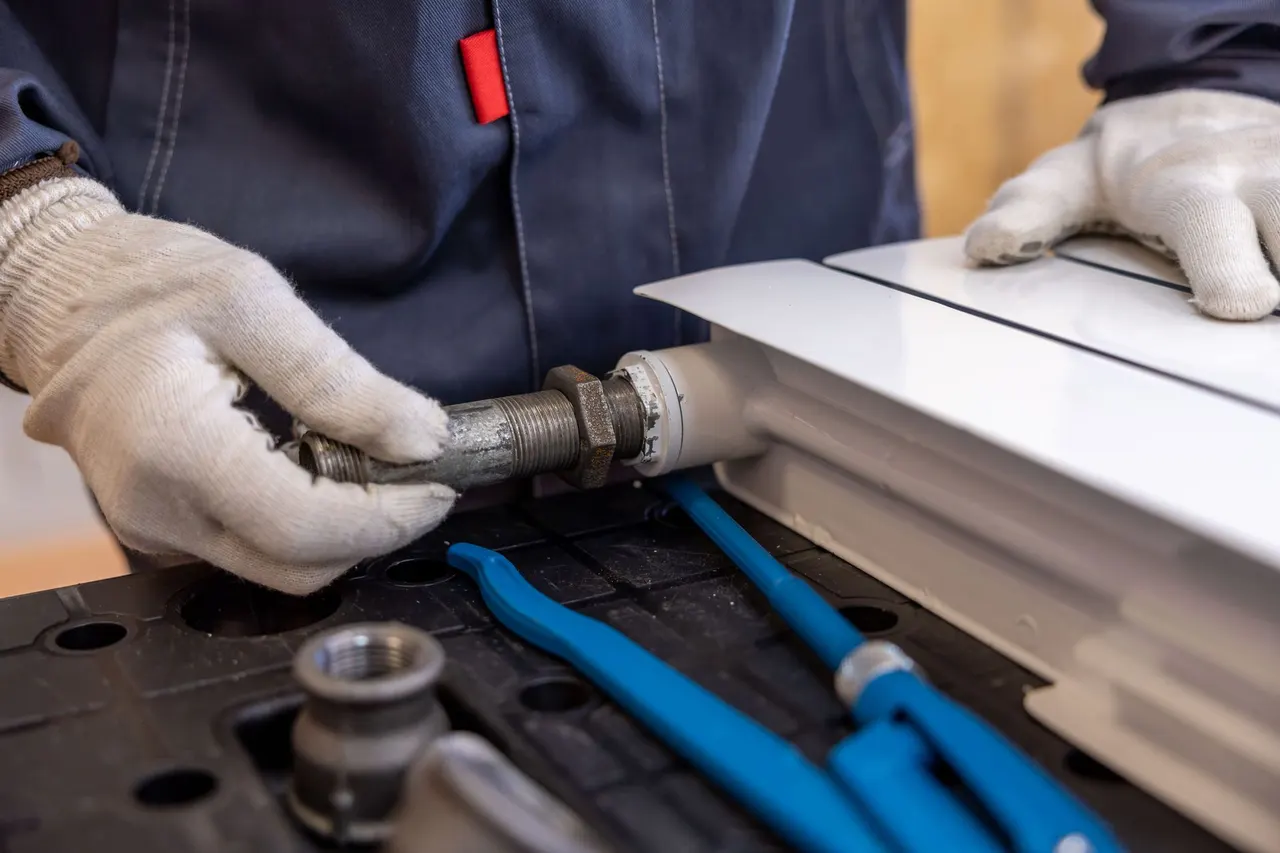
Burst pipe service covers locating the failed line, controlling water, repairing or coordinating repair of the damaged section, and checking the line afterward. When water has entered the building, we also assess affected materials and provide extraction and drying. Finish replacement, extensive plumbing rerouting, and unrelated drainage work are separate tasks, and we explain the difference before proceeding.
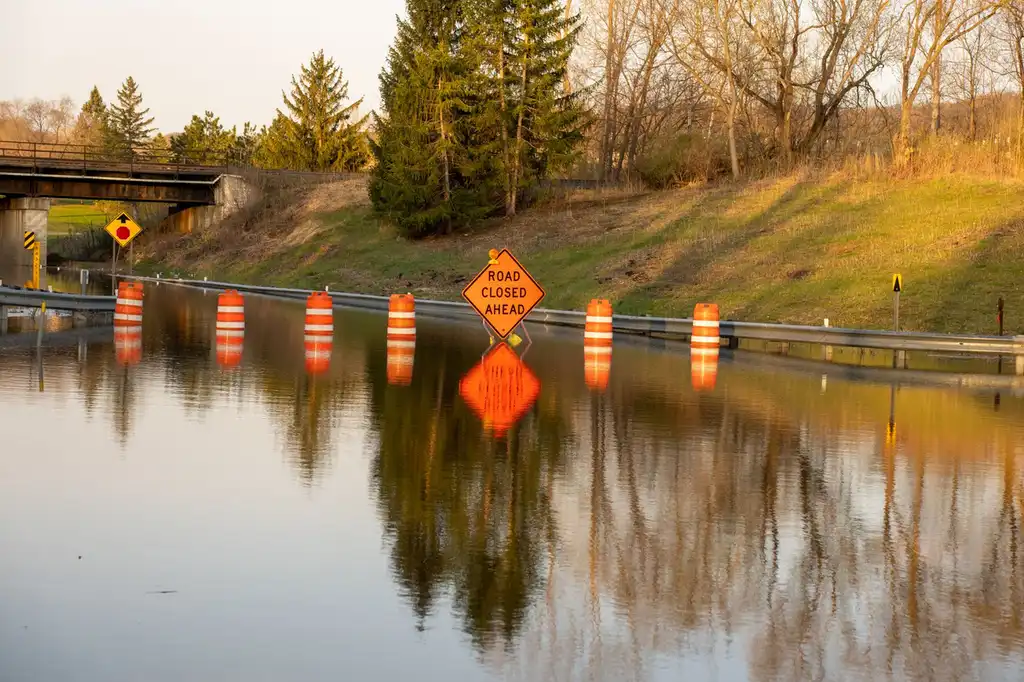
We help homeowners and tenants address a failed pipe, standing water, and damp finishes in one coordinated response. You get clear information about the leak, the affected rooms, and the drying work ahead.
We work with owners and property managers to isolate a leak, document affected areas, and plan access around the building. You receive practical updates to coordinate repairs and limit disruption.
burst pipe repair kuna ID is an emergency plumbing and water mitigation service that stops a failed pipe and limits water damage to a building. We first identify the affected supply line, isolate water where possible, and assess how far moisture has moved. Once the pipe is accessible, the damaged section is repaired or replaced, the line is tested, and standing water is extracted. We then check nearby drywall, insulation, baseboards, and flooring instead of assuming a dry surface means the cavity is dry.
In Kuna, freezing nights can expose weak fittings, uninsulated runs, and pipes in garages or crawl spaces; a sudden failure can also follow renovation work or long-term corrosion. Our team handles kuna burst pipe repair alongside water removal and drying, including damage concealed beneath carpet padding or hardwood flooring. If you searched for burst pipe repair kuna ID near me, we can help you understand the immediate shutoff, likely repair steps, and what needs drying before the room is closed again.
Stop the water first, then measure what it reached before closing the wall.
Our burst pipe repair kuna ID process moves from source control to verified drying. We explain what we find in plain language, keep you updated as access opens, and separate the plumbing repair from water restoration tasks so each step has a clear purpose.
We start by checking the affected room, identifying active water, and helping you isolate the appropriate shutoff if it is safe to reach. If water is near outlets or appliances, we keep clear of the hazard and address electrical safety before equipment enters. This first assessment usually takes 15 to 30 minutes, depending on access and the size of the leak.
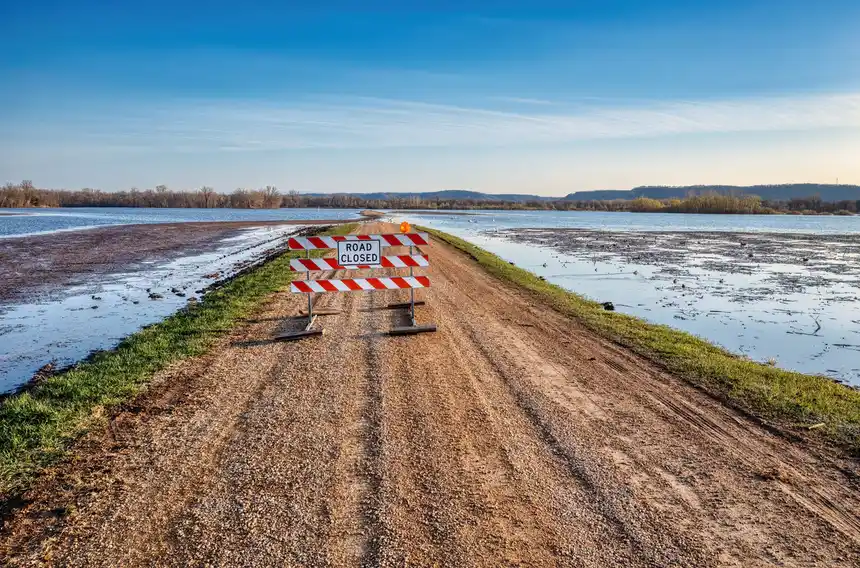
We trace the pipe route and inspect the area where water appeared, including nearby cabinets, ceilings, and utility spaces. An inspection camera can help examine an accessible cavity without opening a large section of finished wall. We explain what needs to be opened and why, then identify whether the failed fitting or pipe section is reachable.
We remove or expose the damaged section, complete the appropriate pipe repair, and restore water gradually for a leak check. A straightforward accessible repair can take about two to four hours; concealed or extensive damage requires more time. You see the repair location and test result before we move on to extraction and drying.
We remove standing water with a water extraction unit and check affected materials beyond the visible wet spot. Moisture readings help map drywall, flooring, and adjacent spaces. If water reached insulation or carpet padding, we explain the condition and the practical options for drying or removal rather than covering the area prematurely.
We place drying equipment based on airflow and material readings, then recheck progress as the structure dries. A typical contained drying plan runs three to five days, though the material, water volume, and indoor conditions affect the schedule. At completion, we review final readings and the remaining repair work with you.
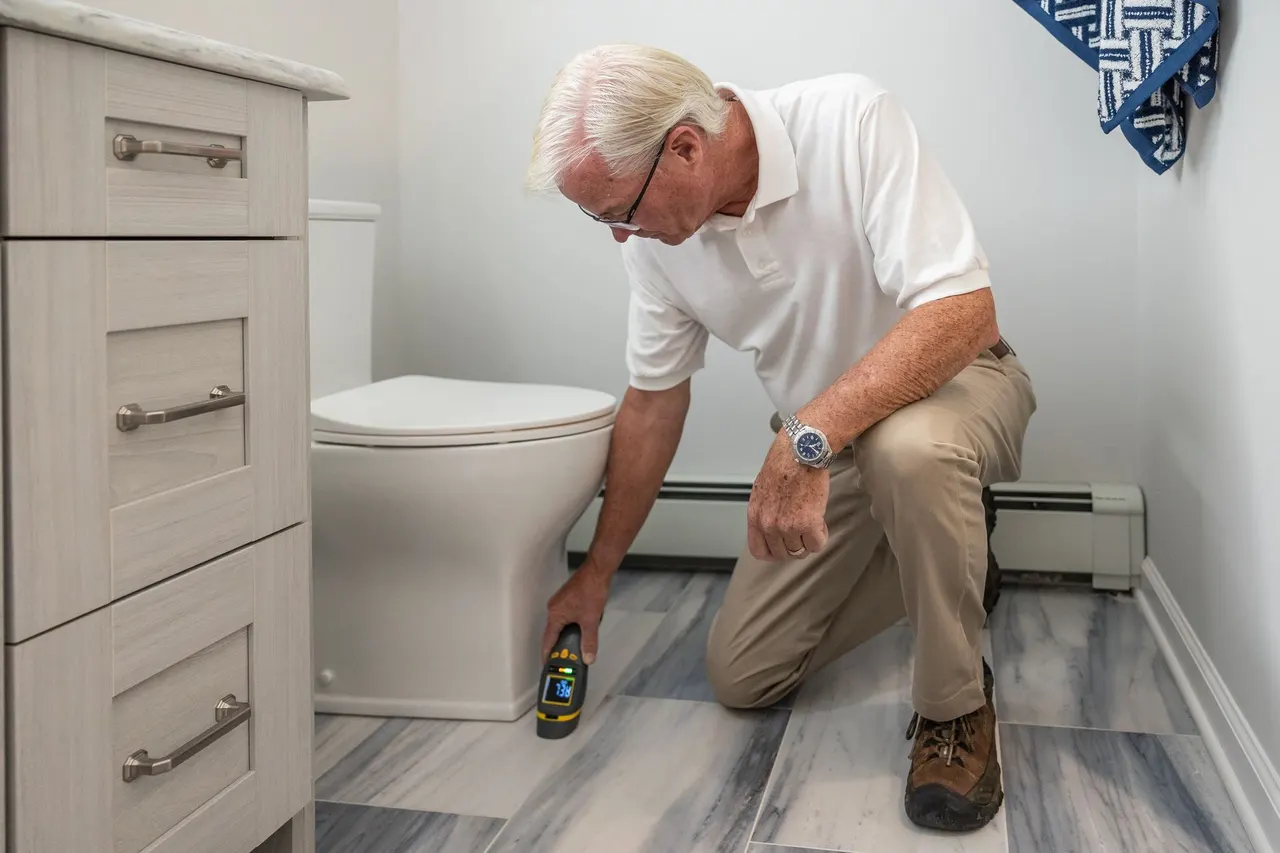
We compare readings across wet and unaffected materials to map moisture in drywall, baseboards, and flooring and check drying progress.
We use temperature patterns to identify areas that warrant closer moisture inspection; the camera helps guide checks but does not replace direct measurement.
This equipment removes pooled water from accessible floors and surfaces before air movement and dehumidification begin.
We position airflow to support evaporation from wet building materials, adjusting placement as readings and room conditions change.
A dehumidifier removes moisture released into the air during structural drying, helping maintain conditions that support material drying.
Where access allows, a camera helps examine concealed spaces and pipe routes while limiting unnecessary opening of finished surfaces.
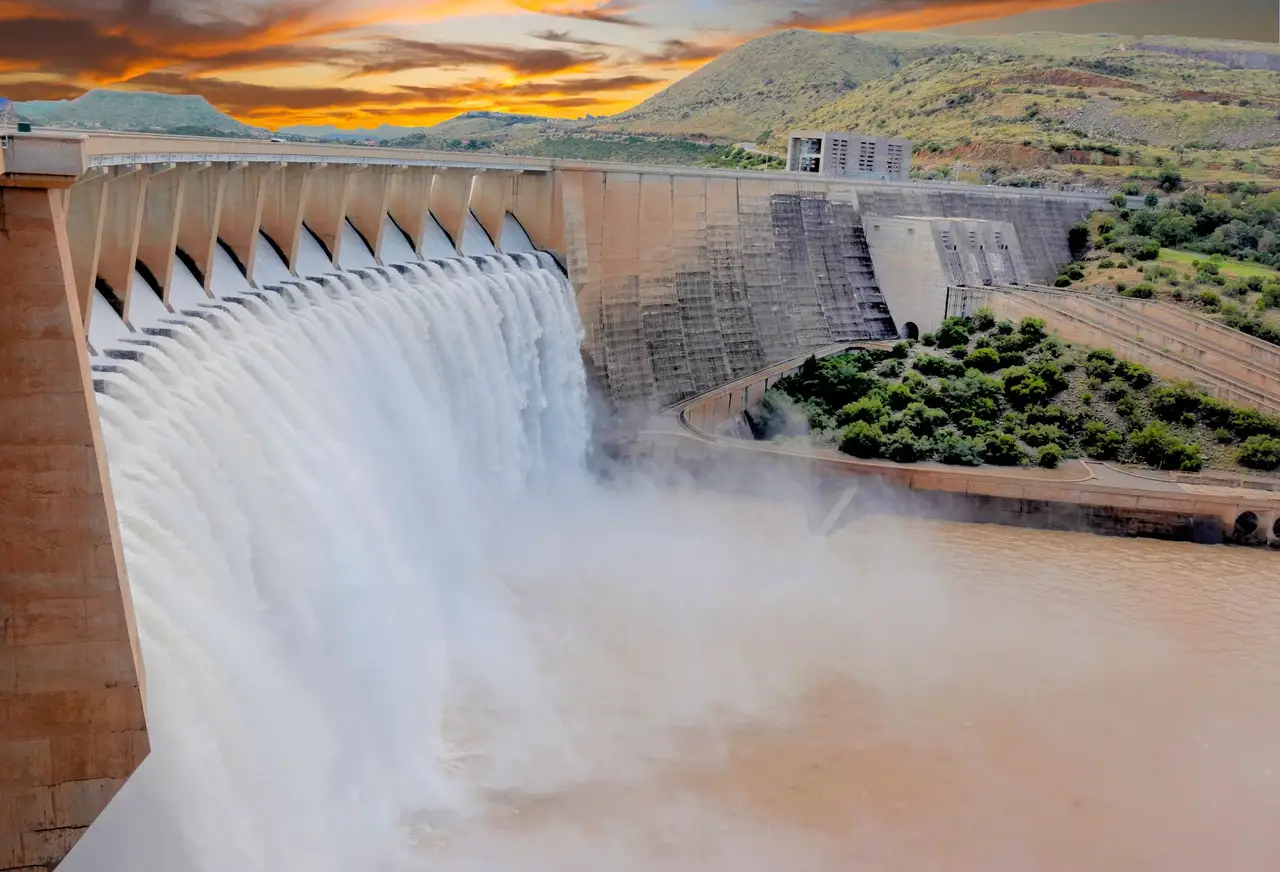
We identify the affected supply, isolate it where safe, and access the failed section. After repair, water is restored in a controlled way and the line is checked for leakage. Testing the source before drying prevents equipment from treating a room while water continues to enter.
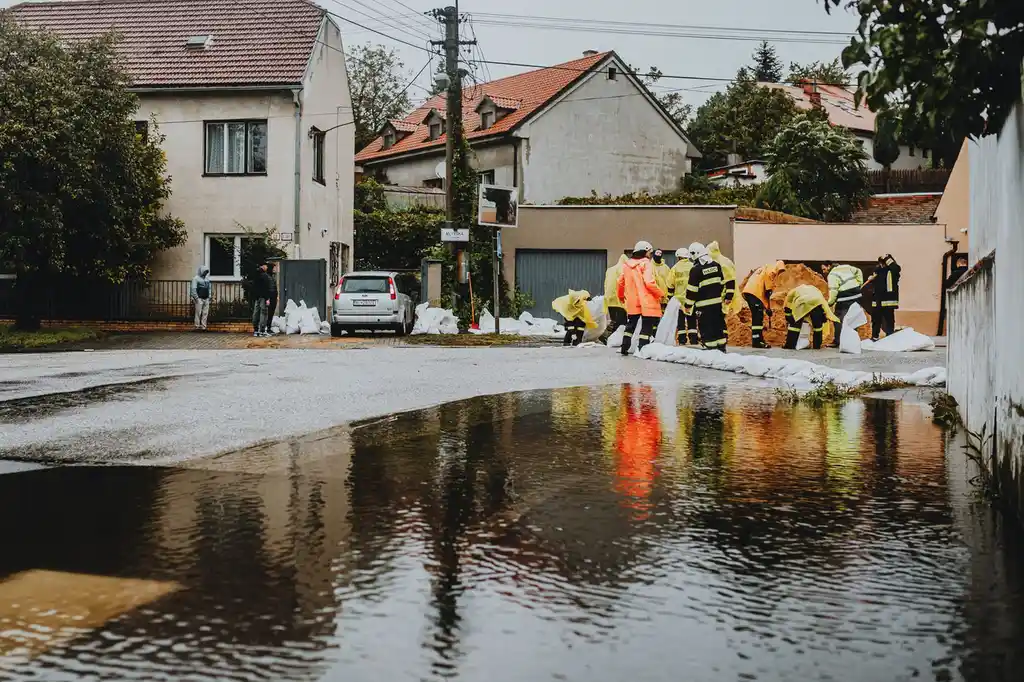
We use ANSI/IICRC S500 principles to guide water damage assessment, extraction, and structural drying. The work starts with the water source and affected materials, then follows readings and conditions over time. The standard informs the process; it does not replace a property-specific evaluation.
Shut off the safe nearby valve or main, then contact us. We locate the affected line, inspect cabinet bases and adjacent flooring, and arrange repair and extraction. If water entered the toe-kick or wall, we check those areas before the cabinet is treated as dry. The leak is controlled, water is removed, and you have a clear plan for drying and any cabinet or flooring repair.
We inspect the exposed run and nearby wall or floor materials, then address the split and test the line. If water has reached stored items or insulation, we separate affected contents and assess what can be dried in place. We also identify the areas that should be monitored. You know where the pipe failed, whether water reached the structure, and which drying steps are needed before the space is closed.
We inspect the ceiling area and plumbing route above it, checking for active drips and moisture spread. Once the source is confirmed, we arrange the pipe repair and evaluate the ceiling cavity. We document the damage and explain how extraction and drying affect the timing of finish repairs. The source is addressed before cosmetic ceiling work begins, reducing the chance of repainting over an unresolved leak.
We help control the water, identify the failed line, and prioritize extraction from walkways and equipment areas. Moisture checks show whether water crossed into storage or adjoining rooms. We coordinate the drying setup around access needs so the affected space can be assessed for safe use. The property manager gets a documented account of the affected area and a practical sequence for repair, drying, and reopening.
In Kuna, winter freezes make exposed garage lines, hose connections, and plumbing near exterior walls worth checking after a leak. A pipe that splits during a cold night may not release obvious water until temperatures rise, so we inspect the route and nearby materials rather than relying on the first stain. Our broken pipe repair kuna service includes water removal and moisture checks when a failure reaches finished rooms. Homes across Ada County vary in layout, from newer subdivisions with finished basements to properties with utility spaces and crawl spaces; access changes how quickly we can expose and dry a damaged area. We follow applicable plumbing requirements for the repair and use ANSI/IICRC S500 principles for restoration assessment. If water has reached drywall, carpet padding, or hardwood, we measure before deciding what can dry in place. For urgent leaks, emergency broken pipe repair in kuna Idaho starts with safe shutoff, source control, and a direct assessment of the affected structure. We serve ZIP codes 83634 and 83642, including Downtown Kuna, Bridgetower, and the Meridian Road Corridor.
A laundry supply line failed behind the wall, leaving water along the baseboard and a damp patch in the adjoining hallway. The leak was shut off, but the wall cavity and flooring edge had not been checked. The homeowner could see the stain but did not know whether water had traveled under the hall finish.
We located the failed section, repaired and tested the line, then extracted water from the exposed flooring edge. Moisture checks identified the affected wall and hallway boundary. Drying equipment ran for four days, and follow-up readings showed the materials had returned toward the dry reference range before finish work.
Check laundry hoses and shutoff valves for corrosion, bulges, or slow drips every few months. Keep the area around the connections visible, and know where the home's main shutoff is before a leak happens.
A garage pipe split during freezing weather and leaked after temperatures rose. Water reached stored boxes and the lower wall, while the visible drip made the damage seem limited to one corner. Insulation behind the wall was also at risk, and the line needed a controlled repair and leak test.
We addressed the split, checked the line after water was restored, and removed standing water from the floor. The team assessed the lower wall and nearby stored items, then monitored drying for three days. The owner received a clear account of the materials that dried and the section requiring finish repair.
Protect exposed plumbing from freezing conditions and check garage temperatures during cold spells. After a freeze, inspect connections and nearby walls for fresh dampness, especially once water flow returns.
A ceiling stain appeared below an upstairs bathroom, followed by a slow drip near a light fixture. The source was not visible from the room below, and continued water could have softened drywall or affected insulation. The family needed the plumbing leak identified before repairing the stained ceiling.
We traced the moisture to a leaking pipe above the ceiling, arranged access, and confirmed the line was no longer leaking after repair. Water was removed and the cavity assessed before the ceiling was closed. Readings were checked over several days, and the affected finish was left for repair once the area was dry.
Watch for recurring ceiling stains, changes in water pressure, or dampness near bathroom fixtures. Address a new mark promptly and avoid repainting until the source is identified and the cavity is checked.
A broken line can create several problems at once: active flooding, hidden moisture, damaged finishes, and interruption to household routines. Our team addresses the water source and the resulting wet materials in sequence, so you are not left with a repaired pipe and an untreated wall or floor.
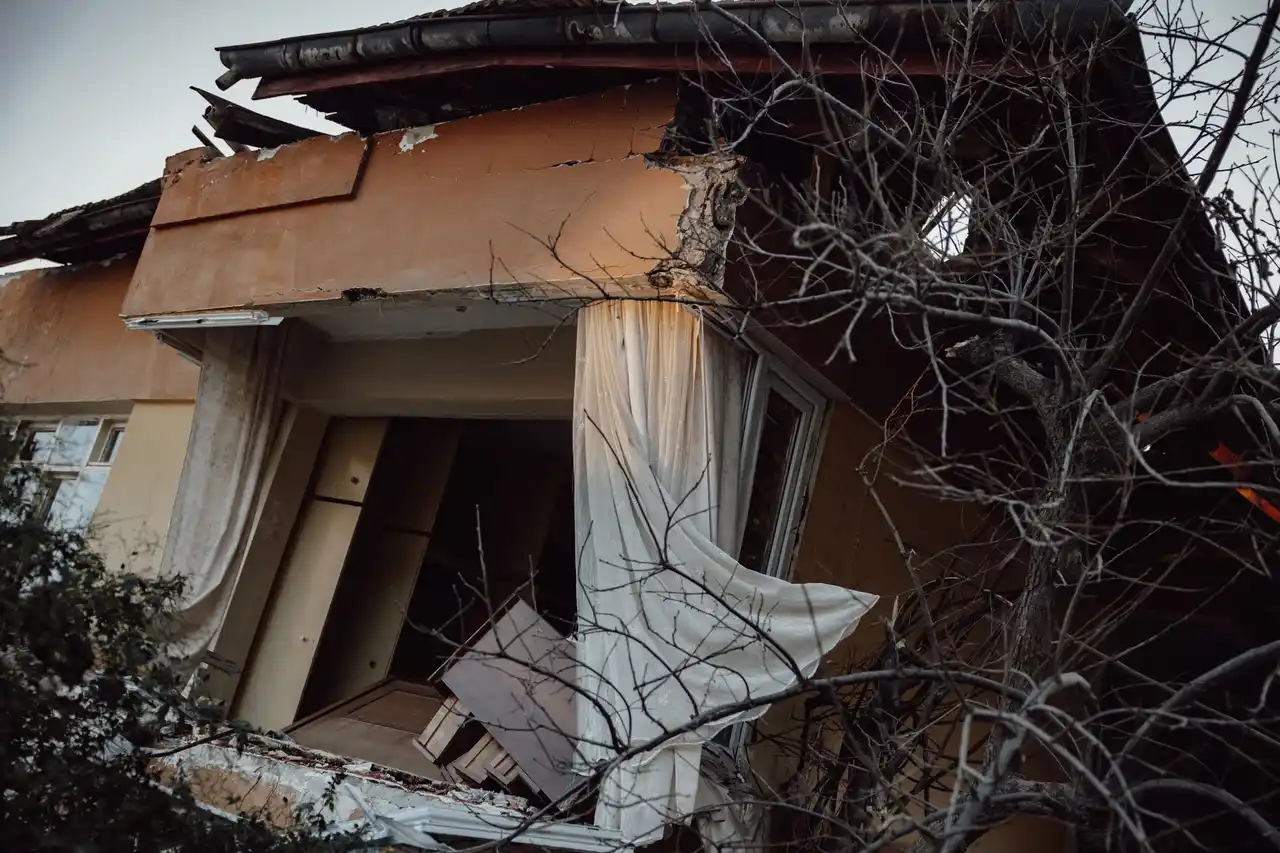
We help isolate the water supply, locate the failed section, and make the access and repair plan clear. After the line is tested, we inspect the adjoining wall and floor for moisture, extract water where needed, and set drying equipment. You get a connected response rather than a surface patch over a wet cavity. Continued flow can soak insulation, stain ceilings below, and swell baseboards or flooring before the leak becomes visible.
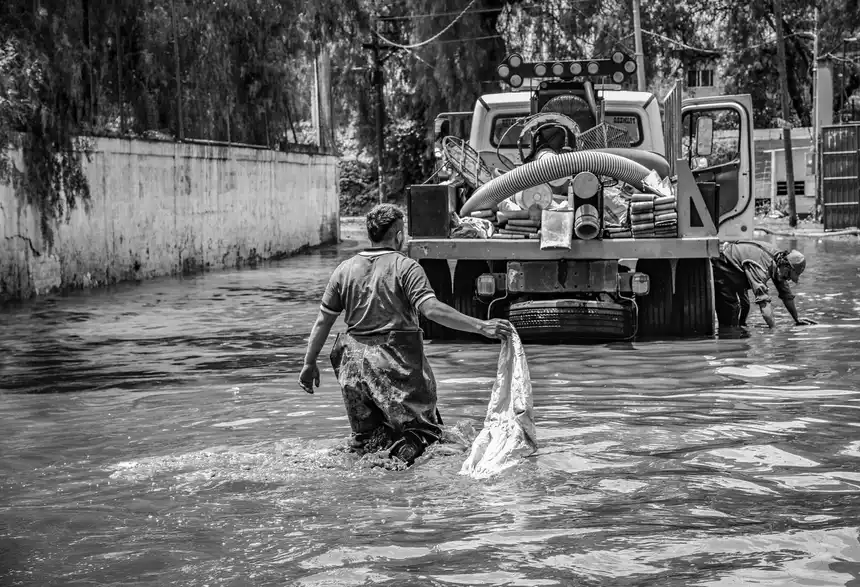
We check the pipe route and nearby building materials, then address water removal and drying around the affected area. Our frozen pipe repair kuna ID response includes checking for additional damp locations along the same run, not just the first drip you noticed. We explain which materials need monitoring or removal. A small split can release water after temperatures rise, wetting stored belongings, framing, or insulation in a space that is easy to overlook.
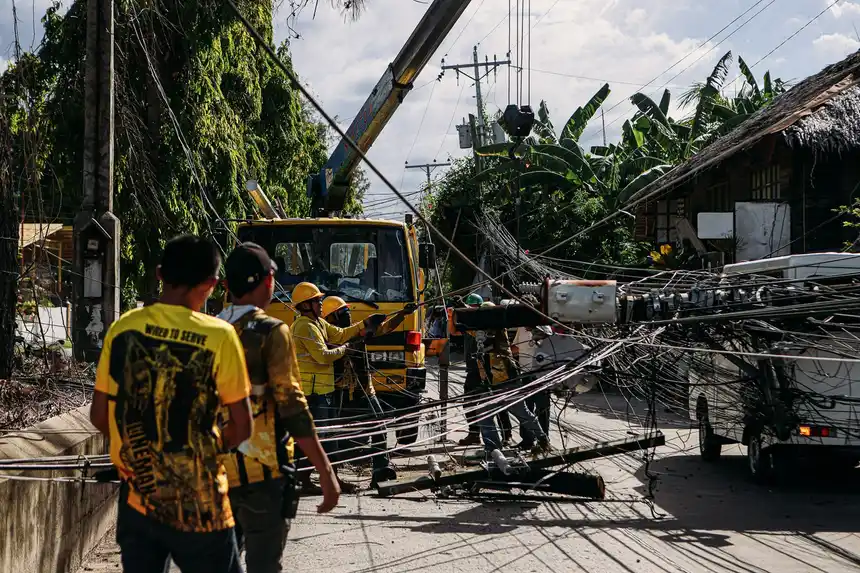
We inspect the stain pattern and nearby plumbing to distinguish a pipe leak from roof water or another source. Once the failed line is identified, we arrange source repair, assess the ceiling cavity, and remove affected water. Drying readings guide when ceiling repair should proceed. The source may be above the ceiling, and continued seepage can soften drywall or damage insulation before water reaches the floor.
We assess the flooring assembly, including carpet padding or the hardwood and subfloor layers, and measure moisture at representative points. Extraction and controlled drying address retained water; readings show whether conditions are improving. If a material cannot be dried effectively, we explain the removal and replacement needs. Moisture held below flooring can cause swelling, odor, or material deterioration even after the visible puddle has been removed.
We trace the failed section and isolate the affected line before more water enters the room. Once access is clear, the repair is tested under pressure and checked for seepage. Getting the source under control quickly reduces the chance that a small split becomes a soaked ceiling, swollen cabinet, or damaged flooring.
Water follows framing, pipe chases, and floor joints, so the visible puddle rarely tells the whole story. We use a moisture meter and targeted inspection to compare wet areas with unaffected materials. That gives you a practical drying plan instead of unnecessary demolition or a cosmetic patch over damp drywall.
After extraction, we position air movers and a dehumidifier to move moisture out of the affected assembly. Readings guide placement and run time; equipment is not simply left in a room without checks. For many contained incidents, initial extraction takes one to three hours, followed by monitoring over several days.
We record the leak location, visible damage, moisture readings, and work completed so you have a clear account for your records. When a claim is involved, dated photographs and a room-by-room description help explain the event. Our team can also prepare itemized restoration details using Xactimate when appropriate.
Clear records you can keep and share.
Location, affected line, and visible water path.
Readings and materials identified for drying checks.
Repair, extraction, and follow-up steps completed.
Pipe repair stops water at its source, while restoration addresses the materials water reached. A building may need both services even after the line no longer leaks.
The damaged line must be isolated and repaired before drying can succeed. We check the line after water is restored.
A dry surface does not prove a wall cavity or subfloor is dry. Readings help show where moisture remains.
Replacement and painting should follow appropriate drying checks. Closing a damp assembly can conceal continuing moisture.
Outside these neighborhoods? Call and ask about service for your address. (833) 546-4116
A plumber repairs the failed water line, while a water restoration team removes water and dries affected building materials. We help coordinate the response in Kuna, starting with source control and checking how far moisture traveled. If the break is concealed, we identify access needs before opening finishes. Call (833) 546-4116 and tell us whether water is still flowing, where it appeared, and whether you have shut off the supply.
A straightforward accessible pipe repair often costs $180 to $450, while combined repair and water restoration can range from $500 to $3,500 or more in 2026. The final amount depends on pipe material, access, water volume, and affected finishes. We explain pricing before work proceeds. Hidden leaks, soaked insulation, or hardwood drying add labor and equipment time; a small exposed fitting with no material damage costs less.
Shut off the water at the nearest safe valve or main, then call for help; do this immediately if water is actively flowing. Keep people away from wet electrical areas and move valuables only if the path is safe. Photograph visible damage after the source is controlled. We can arrange emergency broken pipe repair in kuna Idaho and assess whether extraction, wall access, or structural drying is needed.
Home insurance often covers sudden accidental water damage, but coverage for the pipe itself and gradual leaks depends on your policy. Report the loss promptly, take photos, and keep damaged parts if practical. We document affected materials and restoration work to help you discuss the event with your insurer. Your adjuster determines coverage, deductible, and exclusions; we do not decide those terms.
If water is still flowing, shut off the nearest safe valve and call us at (833) 546-4116. We will help identify the next step, locate the damage, and explain the repair and drying work. Our team follows IICRC water restoration practices.
Call (833) 546-4116 when water reaches your home or business in Kuna, Idaho. Tell us whether the source is still active, which rooms are affected, and when the damage began; that helps direct the next steps. Calls are accepted at any hour for emergency inquiries, and service coverage includes Kuna, ID, with ZIP codes 83634 and 83642.