Moisture findings
Recorded observations for affected rooms and materials.
When a pipe breaks or groundwater pushes inside, basement water removal kuna ID gets standing water out and begins drying the materials it has soaked. We help Kuna homeowners, tenants, and property managers facing a flooded lower level, from a small utility-room leak to water across a finished basement. Call (833) 546-4116 so we can assess the source, remove water, and explain the next steps.
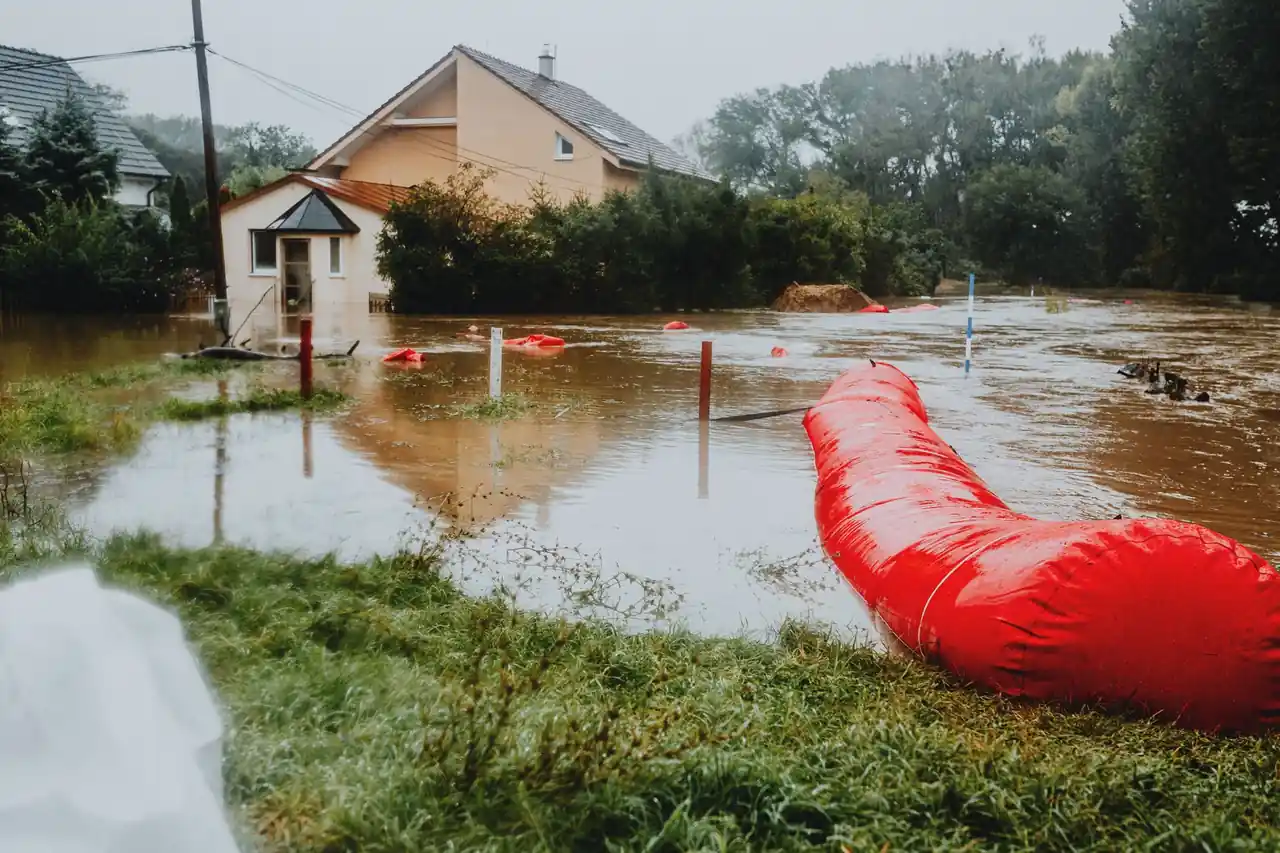
Basement water removal covers inspection of the affected area, standing-water extraction, moisture checks, and a drying plan for reachable building materials. We identify source and contamination concerns, protect unaffected areas where practical, and explain the next repair or cleaning steps. Replacement of damaged finishes, plumbing repairs, and long-term drainage improvements are separate work when the conditions call for them.
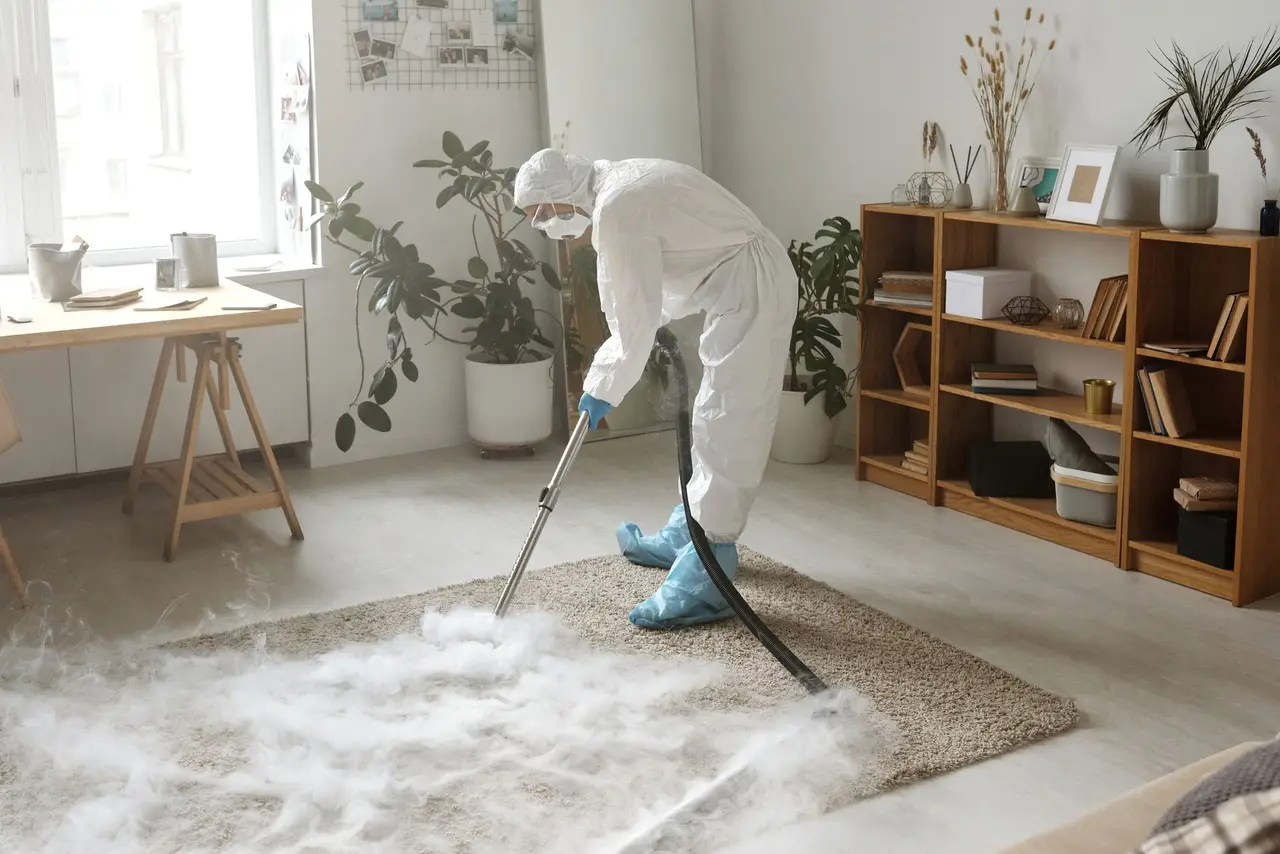
We remove basement water from homes and rentals, checking flooring, wall edges, and stored belongings as we work. You get a practical drying sequence that accounts for the rooms your household needs to use.
We help property owners and managers address basement water while keeping affected areas organized and documented. Our work focuses on extraction, moisture checks, and a clear transition to cleaning or repairs.
Basement water removal kuna ID is an emergency water damage service that extracts standing water and dries affected building materials after a leak or flood. We first identify the water source and check whether the water is clean, contaminated, or sewage-affected; then we remove it with suitable extraction equipment. Our team measures moisture in drywall, baseboards, flooring, and nearby framing, rather than relying on surface appearance. Drying equipment is positioned to move air and control humidity, with follow-up readings guiding when the affected area is dry enough for repair planning.
Kuna basements can take on water from a burst pipe, sump pump failure, foundation seepage, or a storm-driven roof leak. Winter freezes can split a supply line, while spring runoff and heavy rain can expose drainage problems around a foundation. Our basement water extraction kuna service starts by stopping or isolating the source where possible, then protecting belongings and prioritizing materials that trap moisture. If water is still entering, we address immediate safety and source control before continuing extraction.
Remove standing water first, then measure and dry what the surface cannot show.
Basement water removal in Kuna follows a practical sequence: assess safety, stop active water where possible, extract, dry, and verify. We explain what we find and what happens next, while keeping access paths clear and protecting unaffected areas. A simple leak and a sewage-affected flood require different handling, so the first inspection sets the work plan.
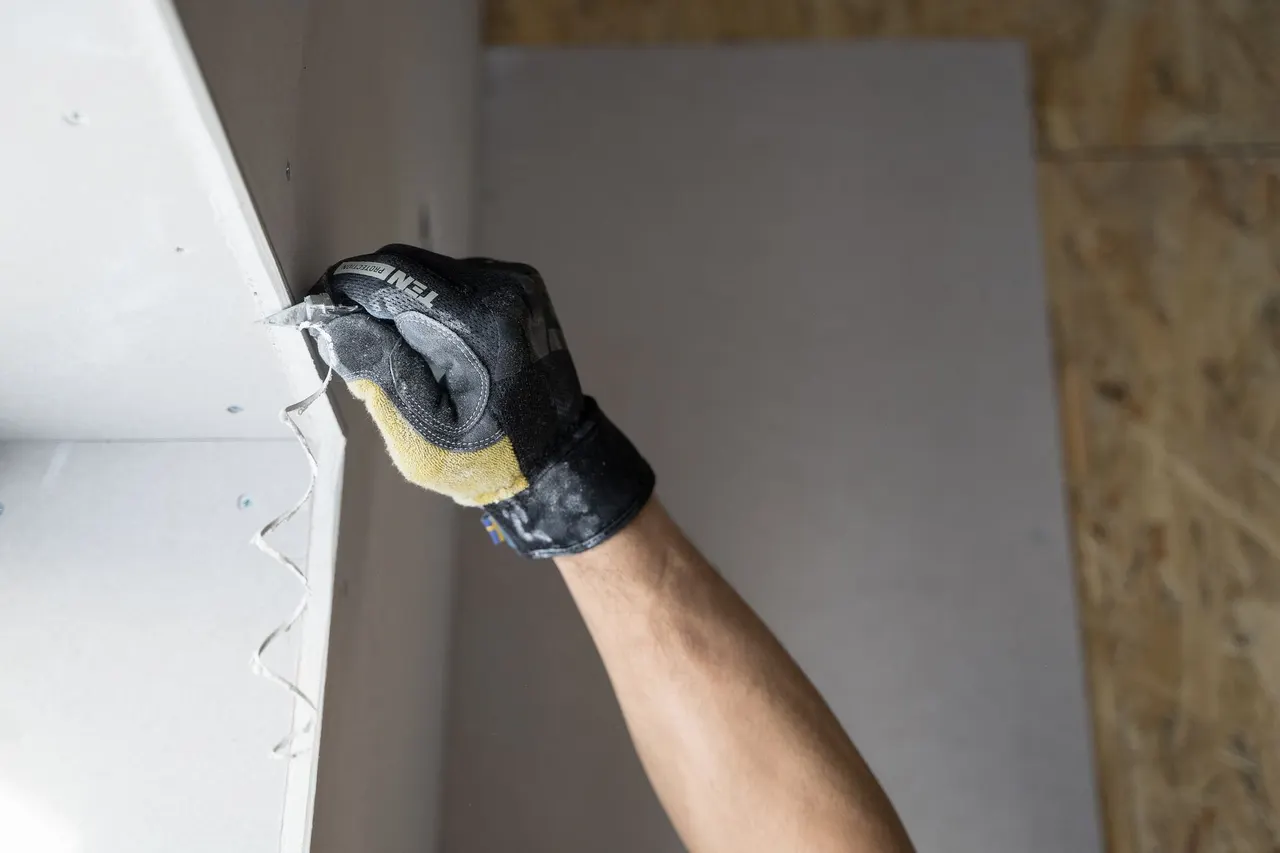
We walk the affected basement with you, identify the suspected source, and look for electrical hazards, contamination, and hidden wet areas. If water is near outlets or appliances, keep clear until it is safe to enter. Inspection and initial measurements often take 30 to 90 minutes, depending on room size and access.
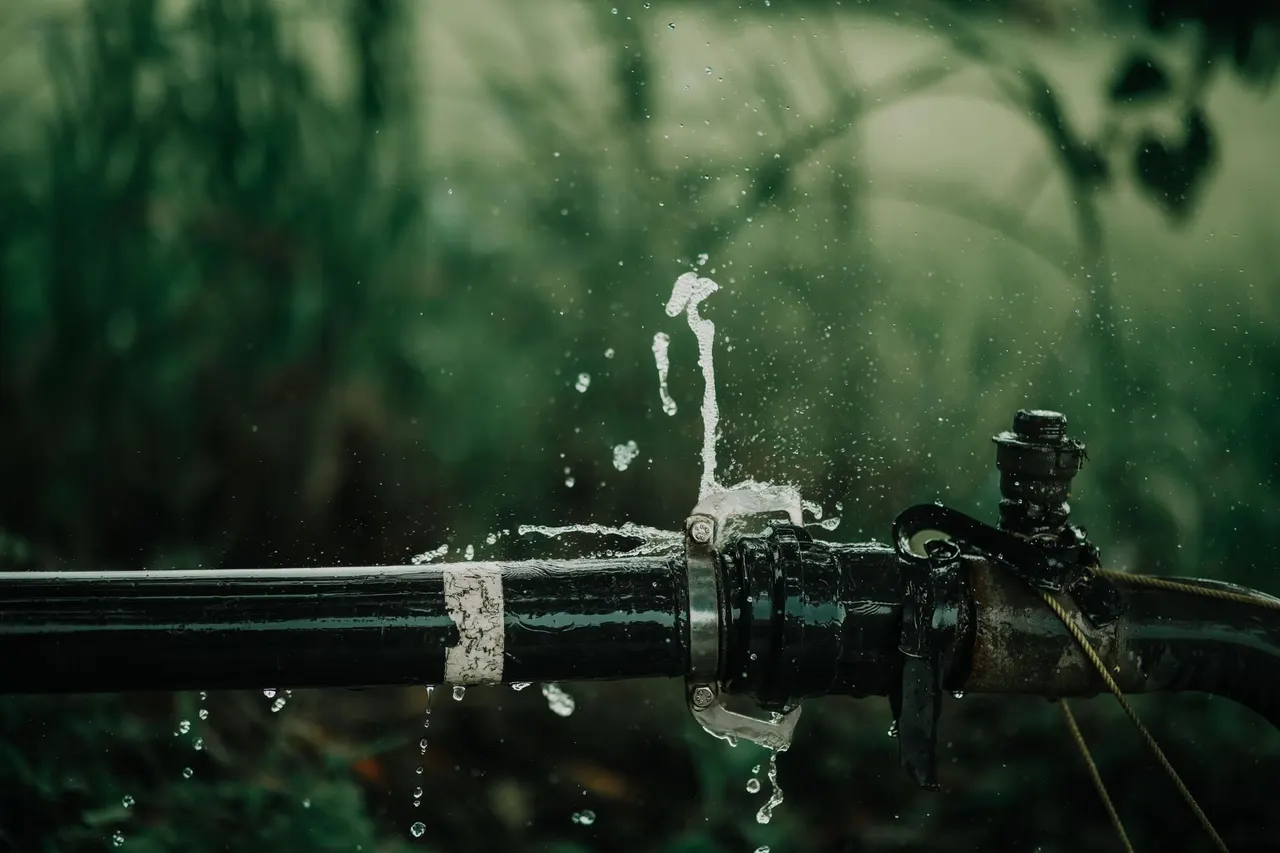
We locate the shutoff or coordinate source control for a burst pipe, appliance leak, or other active entry point. If a sump pump has failed, we check whether it can operate safely and whether the discharge path is clear. Stopping incoming water prevents extraction from becoming a repeated cycle.
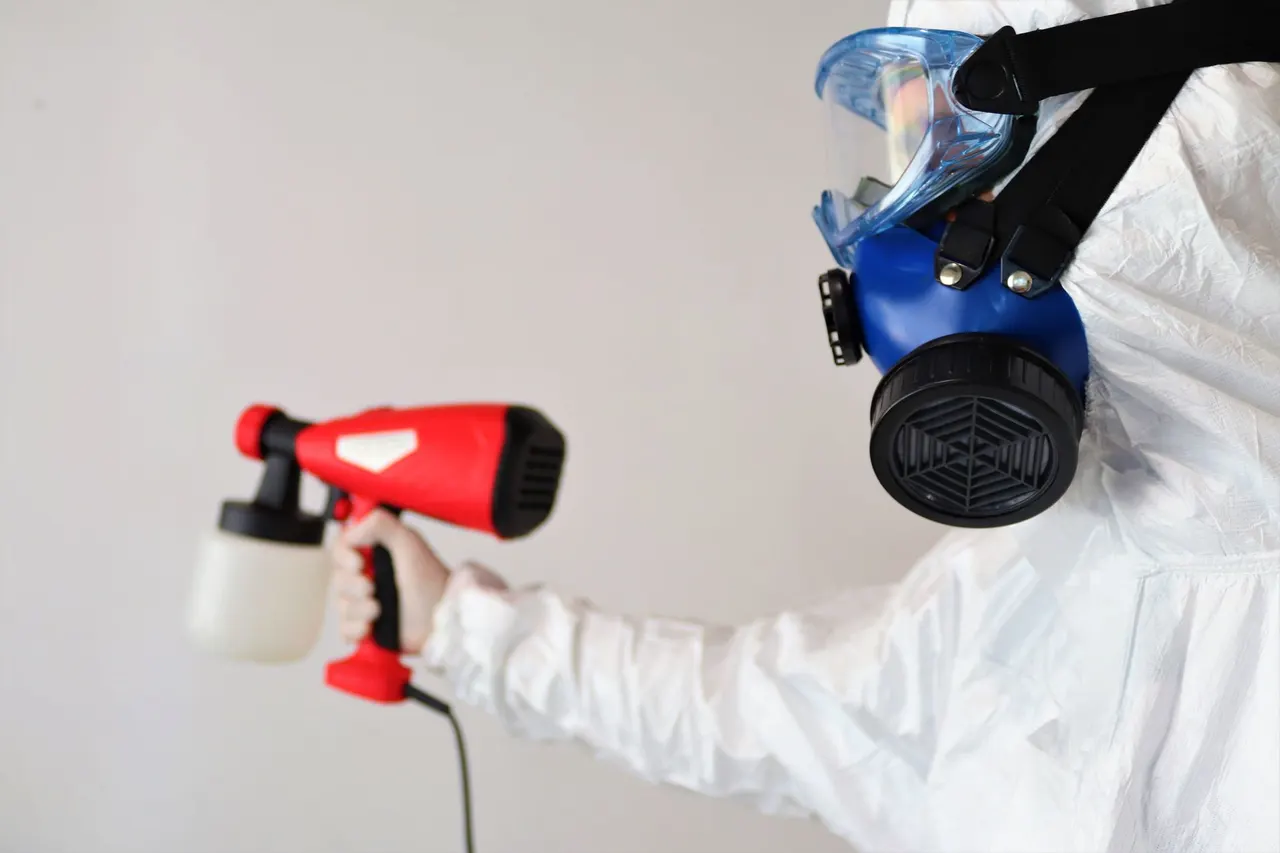
We select a water extraction unit, wet extraction tool, or sump pump based on depth, debris, and floor access. Carpet and padding are assessed separately because saturated padding holds water below the visible surface. A typical residential extraction takes a few hours, but deep water or multiple rooms extend the work.
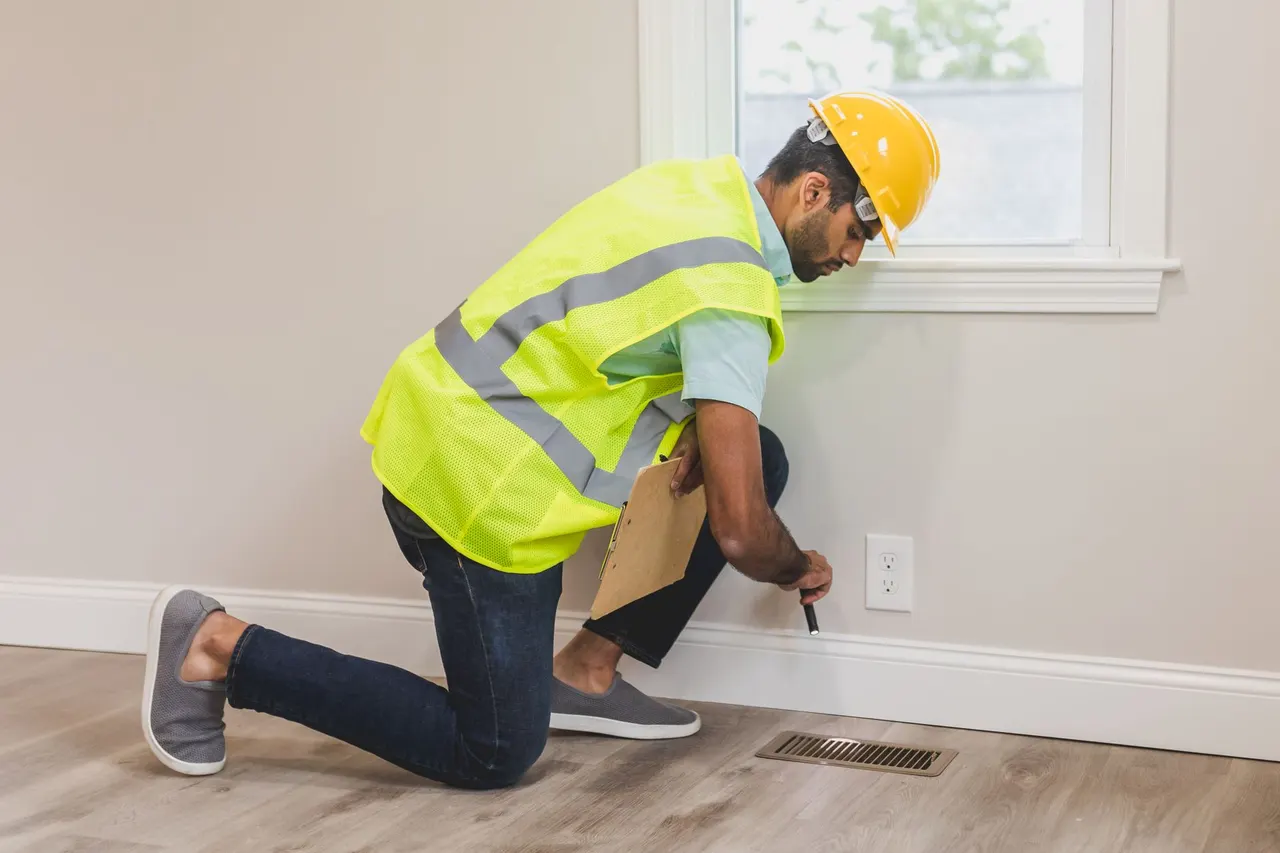
After bulk water is removed, we position air movers and a dehumidifier to dry exposed materials. We check humidity and moisture readings at key locations, including wall bottoms and flooring edges. If wet drywall or insulation blocks airflow, we explain why limited removal may be needed to reach the cavity.
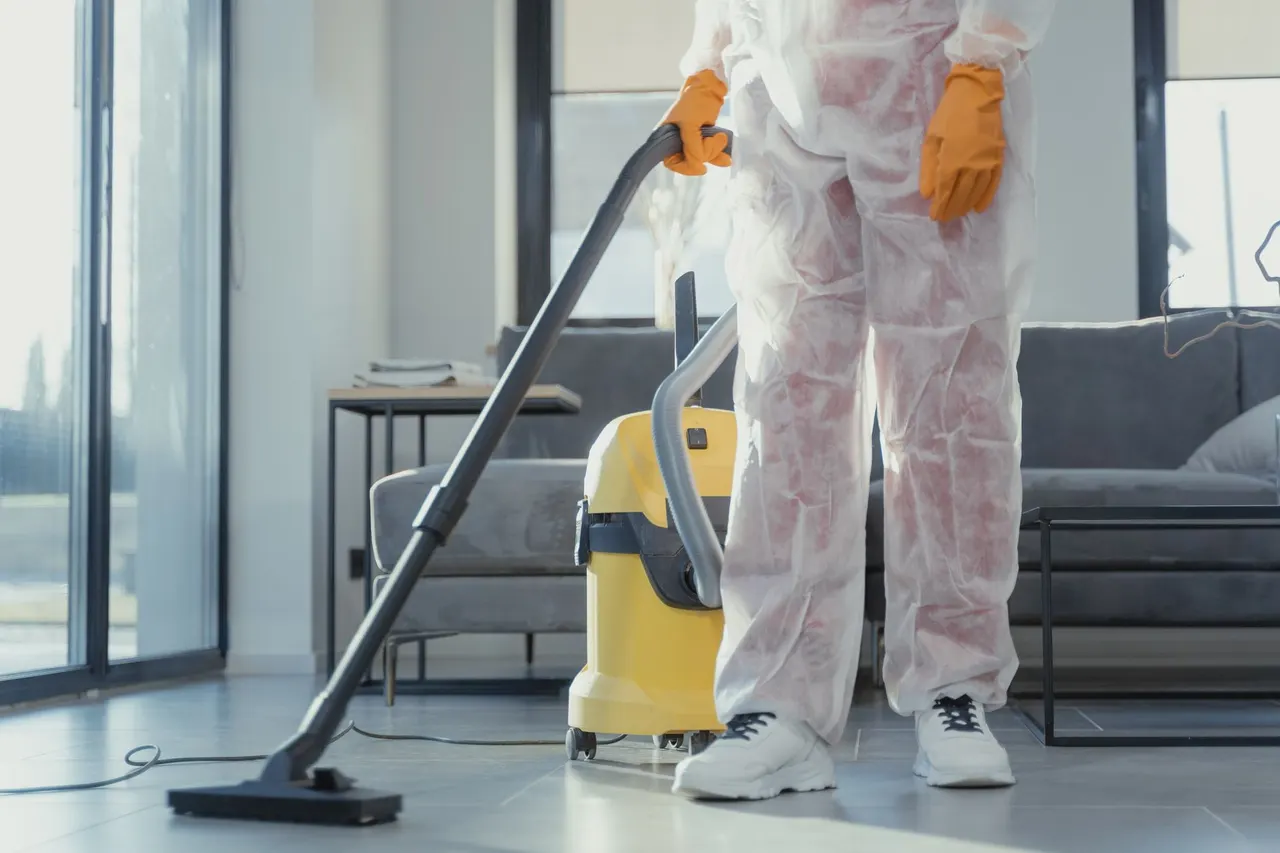
We return to take follow-up readings and adjust equipment until the drying trend is clear. The full drying phase often takes three to five days, depending on materials, temperature, and how long water sat. We then review remaining cleaning or repair needs, such as replacing swollen baseboards or damaged drywall.
Removes standing water from hard floors and accessible carpet, reducing the amount that can soak deeper into porous materials.
Measures moisture in selected materials and helps compare conditions during follow-up checks, including lower drywall and baseboards.
Helps identify temperature patterns that can point to concealed damp areas; readings are confirmed with direct moisture measurement.
Circulates air across wet surfaces while removing moisture from room air, supporting controlled structural drying.
Moves accumulated water from a pit or low point when the setup is safe and the discharge path can carry water away.
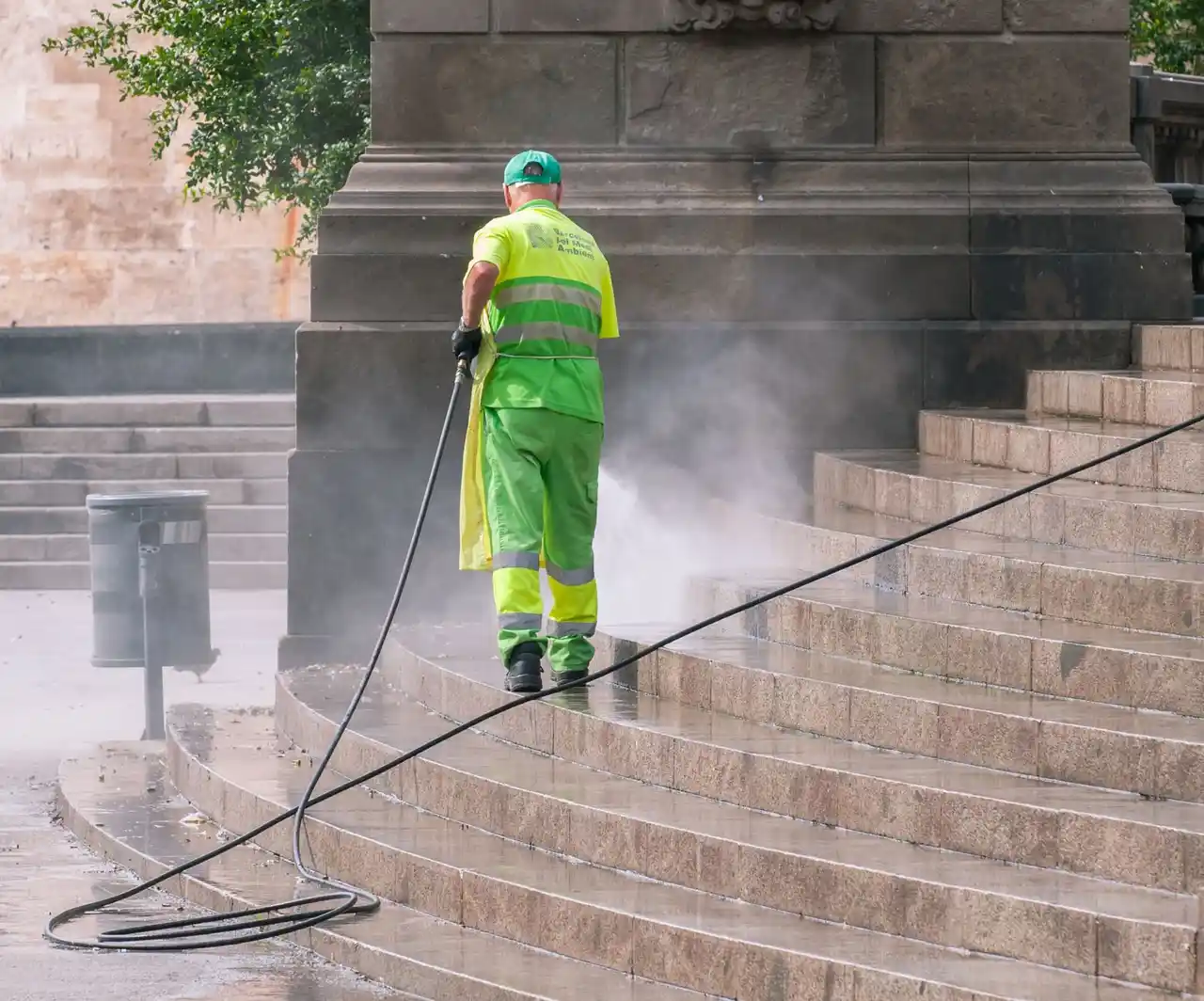
We use the water damage restoration principles in ANSI/IICRC S500 to guide assessment, extraction, drying, and documentation. The water source and category matter; clean supply water and sewage backup do not receive the same handling. We match the work to observed conditions and explain the reason for each step.
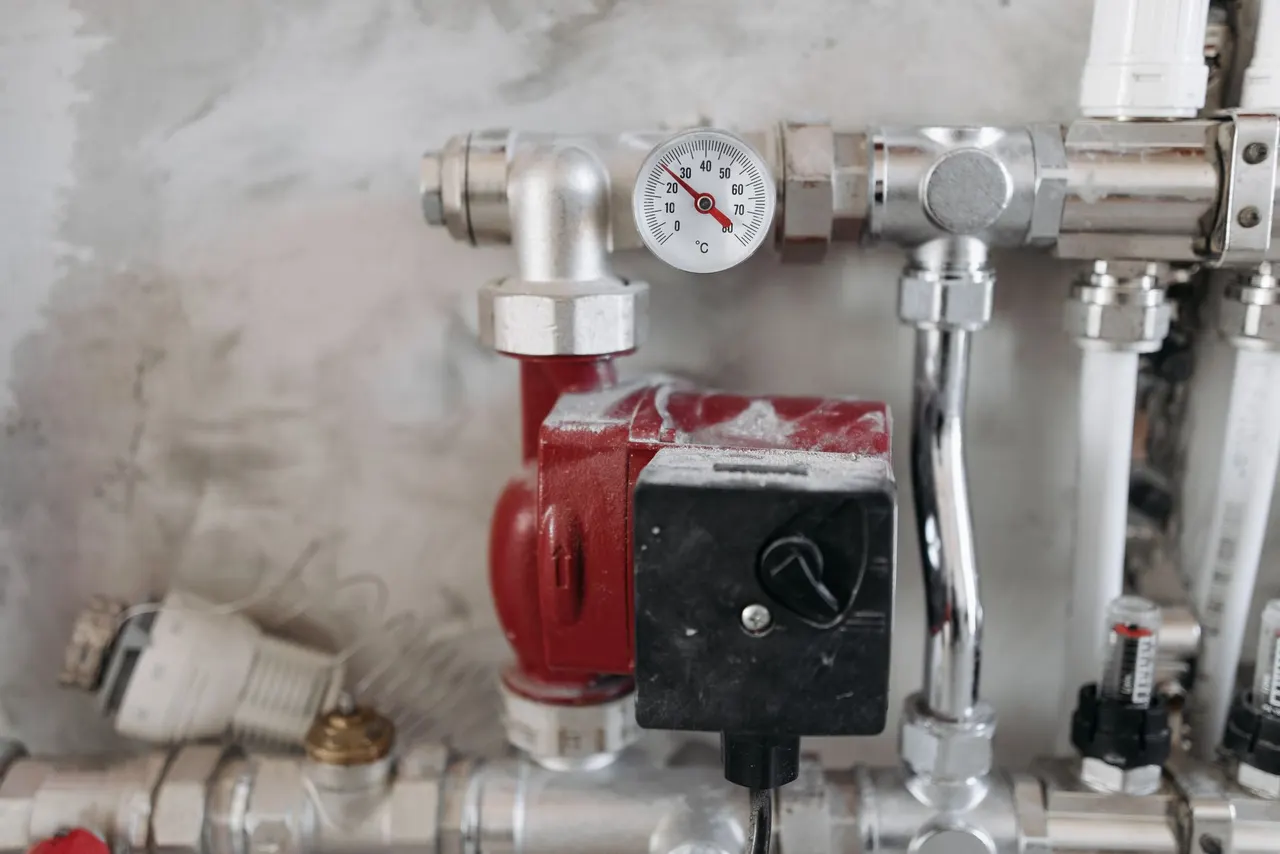
We record moisture at selected locations, position equipment for the affected materials, and repeat measurements as drying progresses. A room is not considered ready for repairs solely because the floor looks dry. Readings and material condition help guide when equipment can be adjusted or removed.
When wet drywall, insulation, or carpet padding blocks effective drying or is contaminated, we identify the affected section and explain the reason for removal. We limit disturbance to what the conditions support, then dry exposed framing and nearby materials before reconstruction.
We inspect the pump and discharge conditions, confirm the water source, then remove standing water from the lowest areas first. We check nearby carpet, storage, and wall bottoms and set drying equipment after extraction. If water is still entering, source control comes before finishing the dry-out. You get the water out, a clear account of affected materials, and a drying plan that addresses more than the visible floor.
We help isolate the leak, inspect the path water took, and extract water from the utility area and adjoining spaces. We measure drywall and flooring before deciding whether airflow alone is enough or whether wet materials need to be opened for cavity drying. The leak is addressed before the restoration work continues, and you know which surfaces need drying, removal, or repair.
We locate seepage points, remove collected water, and check the foundation-side wall and nearby floor for moisture. We document the affected area and explain how the interior drying connects with drainage or foundation work to reduce repeat entry. Your basement is cleared and measured, with practical next steps for both the current damage and the suspected water path.
We treat the event as potentially contaminated, keep people away from the affected area, and assess the water category before extraction. We remove affected contents and materials as appropriate, clean remaining surfaces, and coordinate remediation rather than applying a clean-water drying plan. Contamination is addressed as part of the work, and you receive a clear distinction between salvageable surfaces and materials that must go.
Basement water removal kuna ID has to account for both the water source and how a home's lower level is built. Kuna's cold winter nights can freeze exposed or poorly protected plumbing, while rain and snowmelt can test sump systems and foundation drainage. In warmer months, a roof leak or a clogged route for runoff can still send water down walls and into basement rooms. We check the entry point, floor low spots, wall bottoms, and adjoining utility areas before choosing equipment. For a home near Crimson Point or the Meridian Road Corridor, access, finished flooring, and storage layout all affect how we protect contents and move extraction equipment. We use moisture readings to determine whether drywall, insulation, or carpet padding needs additional attention. If you need wet basement water removal kuna ID, we can also explain whether a drainage concern appears separate from the immediate dry-out. The applicable work is planned with attention to local building conditions and relevant restoration practices; plumbing and structural repairs are handled according to their specific requirements. Service is available across Ada County, including 83634 and 83642.
A failed sump pump left roughly 1 to 2 inches of water across a finished room and storage alcove. The carpet looked wet, but water had also reached the padding and lower baseboards. Cardboard boxes were sitting directly on the floor, and the homeowner did not know how far the water had travelled.
We extracted standing water, checked the room edges and storage alcove, and set air movers with dehumidification. Follow-up readings over four days showed the drying trend at the wall bottoms and flooring. The homeowner received a clear list of affected contents and the pump issue that needed attention.
Test the sump pump periodically, keep the pit clear, and confirm that its discharge carries water away from the foundation. Move stored boxes onto shelving and check the basement after heavy rain.
A split pipe released water behind a basement laundry area before the leak was noticed. Water reached the utility-room floor and the carpet in the next room, while the lowest drywall edge felt soft. The visible puddle was small compared with the wet area under the carpet.
After the pipe was isolated, we extracted the floor and assessed carpet padding and lower drywall separately. We placed drying equipment across the affected rooms and tracked moisture during follow-up visits. The repair plan addressed the damp wall edge before new finishes covered it.
Insulate vulnerable plumbing, keep the utility-room shutoff accessible, and check for drips after cold nights. If a pipe freezes, avoid using an open flame and arrange safe source control.
After sustained rain, water seeped into a basement corner and collected near stored furniture. The homeowner had wiped the floor once before, but dampness returned around the same wall after later storms. Baseboards and a fabric storage bin showed signs of repeated exposure.
We removed the standing water, checked moisture along the wall and adjacent flooring, and documented the repeated entry location. Drying equipment addressed the interior materials while the homeowner considered drainage corrections. The room was reassessed as readings changed over the following days.
Keep roof runoff directed away from the foundation, inspect visible drainage paths, and move fabric items off basement floors. Recheck the corner after heavy rain and address recurring seepage rather than repeatedly mopping it.
A wet basement can damage finishes, stored belongings, and structural materials before the water is obvious upstairs. Basement water removal kuna ID focuses on immediate extraction and the moisture left behind, so you know whether the issue is a simple leak, a larger flood, or a recurring drainage problem.
We map where water appears, remove standing water, and check the nearby wall and floor materials for retained moisture. We explain likely drainage or foundation concerns and connect the immediate drying work with a repair plan that addresses the entry path. Repeated seepage can soak lower drywall and baseboards, create musty odors, and damage stored items before puddles become large enough to notice.
We assess the water level and pump condition, extract water with suitable equipment, and check carpet padding and adjoining rooms. Once the area is under control, we explain whether the pump needs repair and what drying or flooring work remains. Water can spread beneath carpet and furniture, while a stopped pump leaves the basement vulnerable if rain or runoff continues.
We help identify the affected route, isolate the active source where possible, and extract water from the utility room and connected spaces. Moisture checks determine whether wall cavities need access for drying before repairs close them. A broken line can release water quickly, soaking drywall, insulation, stored goods, and flooring before the leak is found.
We treat sewage backup as contaminated water, isolate the affected area, and remove water and unsalvageable porous contents using appropriate handling. We clean remaining surfaces and explain which materials require further remediation rather than ordinary drying. Sewage exposure creates a sanitation concern and can make porous carpet, cardboard, and other materials unsafe to keep.
We use a water extraction unit or pump suited to the depth and access conditions, then check low spots and edges where water collects. A few inches across a 500-square-foot basement represents hundreds of gallons, so early extraction reduces the amount soaking into carpet padding and lower drywall.
A dry-looking wall can still hold moisture behind paint or baseboards. We use a moisture meter and thermal imaging camera to locate damp areas and record readings, helping you avoid closing up wet materials or replacing sections that have already dried safely.
Air movers and a dehumidifier are placed according to room layout, material type, and measured humidity. We check the setup instead of leaving equipment at random. That helps direct airflow across wet surfaces without scattering debris or overlooking a closed storage room.
We document affected rooms, visible damage, and moisture readings so you have a useful record for repair planning and an insurance conversation. For larger losses, a detailed itemization may be prepared using Xactimate, with the cause and drying work described separately.
Clear records you can keep and share.
Recorded observations for affected rooms and materials.
Equipment positioned for the measured wet area.
Practical cleaning and repair needs explained.
A dry-looking floor does not prove that padding, wall cavities, or baseboards have dried. We check affected materials and use changing readings to guide the next step.
Water source affects how the area is handled. Sewage backup needs a different response from a clean supply-line leak.
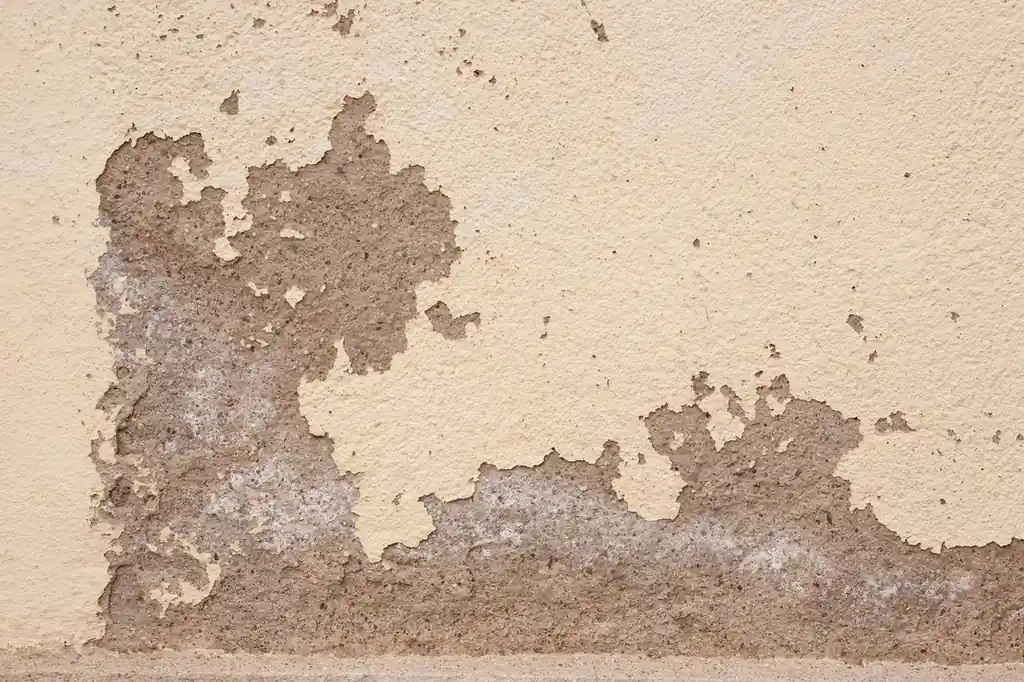
Water can move beneath flooring and behind baseboards. Measurements help locate damp material that sight and touch can miss.
Extraction removes bulk water, but structural drying takes longer. Equipment and follow-up readings help show whether materials are ready for repairs.
Outside these neighborhoods? Call and ask about service for your address. (833) 546-4116
A water damage restoration crew removes basement water, checks affected materials, and sets drying equipment; call (833) 546-4116 to reach Kuna water damage restoration. We first identify whether the water came from a clean pipe, groundwater, or a sewage backup because each requires different handling. Tell us the approximate water depth, how many rooms are affected, and whether the source is still active. That information helps us prepare for the initial assessment and extraction.
In 2026, straightforward residential extraction and drying often falls around $1,000 to $4,500, while extensive or contaminated losses can exceed $10,000. The final price depends on water depth, affected square footage, materials, contamination, equipment days, and demolition or repair needs. We explain the work and pricing before proceeding. A small utility-room leak that is caught quickly costs less than a flooded finished basement with wet carpet padding, insulation, and drywall.
If water is near electrical outlets, appliances, or a panel, stay out and get qualified help before entering. For safe, shallow clean water, stop the source, remove small amounts with a suitable wet vacuum, and move belongings only if doing so is safe. A flooded room needs proper extraction and moisture checks; basement water removal kuna ID near me connects you with help to assess hidden wet areas and begin structural drying.
Coverage depends on the policy and the cause of the water, so there is no universal yes or no. Sudden accidental pipe leaks may be treated differently from groundwater seepage, neglected maintenance, or floodwater. Photograph damage and keep records of the source, affected rooms, and work performed; then contact your insurer. We can document observed conditions and provide service information, but the insurer determines coverage under your policy.
Standing water spreads into flooring and wall materials while you wait. Call (833) 546-4116 and tell us where the water is, how deep it looks, and whether it is still entering. Our team will help you take the next practical step and arrange an assessment.
Call (833) 546-4116 when water reaches your home or business in Kuna, Idaho. Tell us whether the source is still active, which rooms are affected, and when the damage began; that helps direct the next steps. Calls are accepted at any hour for emergency inquiries, and service coverage includes Kuna, ID, with ZIP codes 83634 and 83642.