Inspection notes
Observed conditions and affected locations.
mold inspection and testing kuna ID helps homeowners, tenants, and property managers identify visible growth, hidden moisture, and likely sources before repairs begin. Our team checks affected rooms, adjoining materials, and ventilation conditions, then explains what the findings mean in plain language. If you have a musty odor, ceiling water stains, or recent leak, a focused inspection helps you choose the right next step instead of guessing.
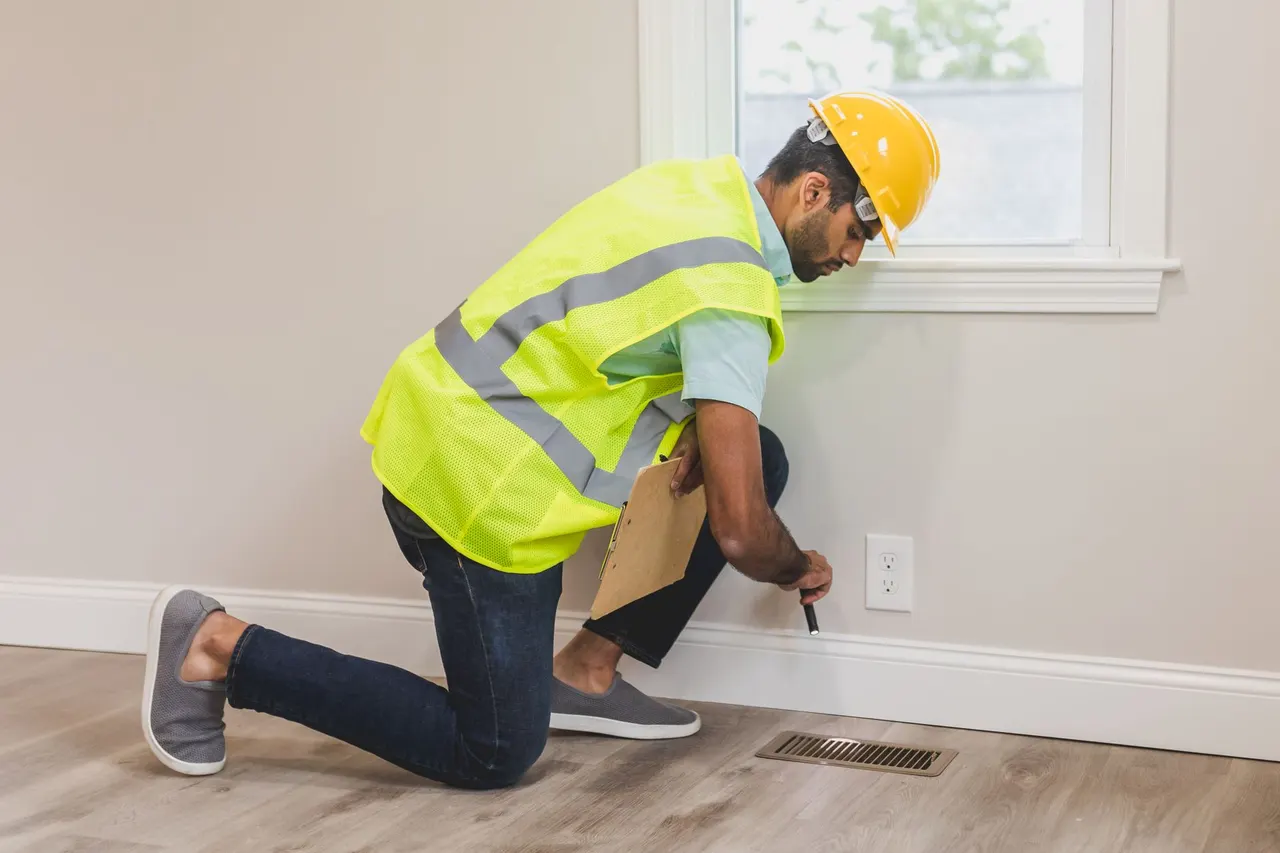
A focused visit covers the reported concern, accessible affected areas, moisture measurements, and a clear explanation of findings. Sampling is added when it can answer a defined question; laboratory fees and broader concealed-space access depend on the situation. We separate inspection observations from remediation recommendations so you know what was seen, what was measured, and what action follows.
We inspect your home after leaks, recurring stains, or musty odors and check accessible materials for moisture. You receive clear findings to help plan drying, repairs, or targeted sampling.
We assess affected rooms with attention to access, materials, and business operations. You receive findings that help property managers coordinate repairs and limit unnecessary disruption.
mold inspection and testing kuna ID is a property assessment that locates moisture conditions, documents visible mold-like growth, and uses sampling when results can answer a specific question. We inspect accessible surfaces, check building materials with a moisture meter, and compare readings with unaffected areas. Where appropriate, we collect air or surface samples for laboratory analysis; sampling is not a substitute for finding the moisture source. You receive observations, measurements, and practical next steps for drying, repair, or remediation.
In kuna, Idaho, a burst pipe, roof leak, slab leak, crawl space flooding, or sump pump failure can leave moisture behind drywall, baseboards, or carpet padding after surfaces look dry. We trace the affected area and explain whether mold testing kuna is useful for your situation. If you are searching for mold testing in kuna Idaho after a leak, share when it happened and which rooms smell musty; that history helps focus the inspection.
Measure moisture, inspect the source, and test only when results can guide a decision.
mold inspection and testing kuna ID follows a deliberate sequence: understand the water history, inspect the building, measure moisture, and report findings. The time on site depends on access and affected rooms; a straightforward single-room assessment often takes about 1 to 3 hours. We explain each step before moving or sampling materials.
We begin by asking when the odor, stain, or leak appeared and what repairs have already happened. You can point out rooms, plumbing walls, crawl space access, and recurring condensation. This conversation usually takes 10 to 20 minutes and helps us focus on likely moisture pathways rather than inspecting randomly.

We examine accessible walls, ceilings, flooring edges, plumbing penetrations, and nearby rooms for visible growth, water marks, or material changes. An inspection camera helps view selected concealed spaces where access allows. We document what is visible and separate confirmed observations from areas that need further investigation.
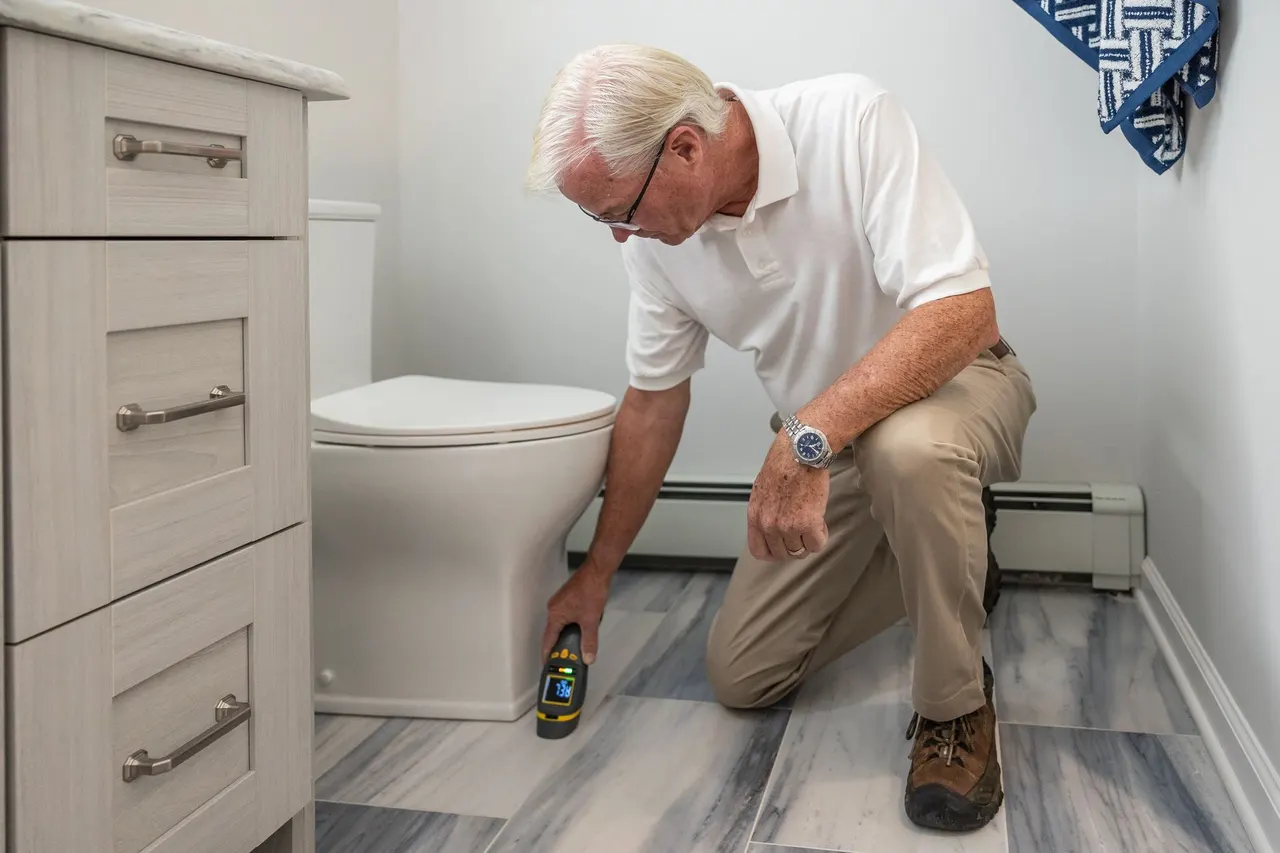
We take comparative readings with a moisture meter and check room conditions with a hygrometer. Readings are recorded by material and location because drywall, hardwood flooring, and masonry respond differently. A thermal imaging camera can help identify temperature patterns, but we verify suspicious areas with direct measurements.
When testing can resolve a specific concern, we collect an air or surface sample using the planned method and label its location. We discuss laboratory analysis and expected turnaround, often several business days depending on the lab. Sampling is optional when visible conditions and moisture findings already answer the practical question.
We review observations, readings, sample results when ordered, and recommended next steps with you. You learn which moisture source must be corrected, what materials need drying or remediation, and what to monitor. If active water damage remains, we can coordinate water extraction, drying, or repair as the next phase.
Measures moisture in selected building materials and supports comparisons between the reported wet area and nearby unaffected surfaces.
Shows temperature patterns that can help locate suspicious areas; we verify those patterns with direct inspection or moisture measurements.
Records indoor humidity conditions to help interpret a damp room, condensation concern, or drying environment.

Views selected concealed spaces through an existing access point when the suspected moisture pathway cannot be seen directly.
Supports controlled work in an affected area by filtering airborne particles when the work plan calls for it; it does not replace source correction.
We record readings across affected and reference areas, noting the material and location at each point. A comparison helps show whether moisture is concentrated near a leak or extends farther into the room. The map informs drying and repair priorities; it is not a mold identification test by itself.

We select sample locations based on the concern and inspection findings, then label them for laboratory analysis. Air sampling can compare indoor conditions with a reference location, while a surface sample addresses a particular visible area. Results are interpreted alongside building conditions, not as a stand-alone verdict.

We connect the reported history with visible water pathways, material changes, and instrument readings. A roof leak, foundation seepage, and plumbing failure leave different patterns. Identifying the likely source helps you correct water entry before cleaning or repairing mold-affected materials.
We inspect the wall and adjacent flooring after the leak is controlled, compare moisture readings, and document how far dampness extends. If materials remain wet, we recommend drying before repairs; sampling is considered only if it answers a specific mold concern. You know whether the visible stain marks the full affected area and which materials need attention before the wall is closed.
We check the ceiling stain, nearby room edges, and accessible materials for moisture evidence. The inspection separates old discoloration from current dampness and identifies when roof repair, drying, or further mold evaluation should come first. You get a documented picture of the affected area and a sensible order for correcting the roof source and repairing interior finishes.
We inspect accessible areas, note standing water or damp insulation, and measure moisture in nearby materials. Findings help sequence water removal, pump service, drying, and any mold remediation where growth or contamination is confirmed. You can address the water source and affected materials in order, rather than treating odor while dampness remains below the home.
We review the repair history, inspect the bathroom and adjoining surfaces, and check whether moisture remains behind or beside the repaired area. Where useful, we explain air sampling and its limits before collecting a sample. The tenant and property manager receive clear observations to guide follow-up, without confusing a smell alone with a confirmed mold diagnosis.
Our mold inspection and testing in kuna reflects the way water moves through homes and small commercial properties here. Winter cold can expose weak plumbing and frozen-pipe leaks; spring runoff and heavy rain can test gutters, foundations, and sump systems. During warmer months, roof leaks and irrigation-related seepage still deserve attention when interior materials stay damp. In established and newer neighborhoods alike, finished basements, crawl spaces, and insulated wall cavities can hide moisture after a surface stain fades. We begin with the reported water history, then inspect accessible materials and compare readings before deciding whether sampling adds useful evidence. For mold spore testing kuna ID, we explain where a sample is collected and how the result relates to the building; a laboratory number alone does not locate a leak. We serve Ada County, including ZIP codes 83634 and 83642, and coordinate inspection findings with drying or repair when needed.
A supply line leaked behind a laundry-room wall, leaving a brown mark and soft baseboard. The homeowner could not tell whether the dampness stopped at the stain or extended toward the adjoining hallway. The leak was repaired, but the room still had a faint musty odor.
We checked the wall and floor edges at multiple points, recorded comparative readings, and identified the remaining damp section. The inspection took about two hours and clarified which area needed drying before drywall repair. The homeowner had a documented location map instead of relying on the stain alone.
After repairs, check the wall and baseboard for renewed odor, discoloration, or soft spots over the next few weeks. Keep the plumbing connection visible and address any new leak promptly so moisture does not re-enter the repaired cavity.
After a storm, a ceiling stain appeared near an exterior wall in a Kuna home. The roof had been patched, but the owners were unsure whether insulation remained wet or the discoloration was old. They wanted to avoid covering a damp area with fresh paint.
We inspected the stain and nearby ceiling edges, then measured accessible materials to check for residual moisture. The findings identified a limited area for follow-up rather than assuming the entire ceiling was affected. The owners could sequence roof work, drying, and interior repair with clearer information.
Inspect the ceiling after the next substantial rain and watch for spreading discoloration or a returning odor. Keep gutters clear and have roof entry points repaired; a fresh stain should be checked before painting or replacing finish material.
A sump pump failure allowed water to collect in a crawl space, and the lower rooms smelled damp afterward. The owner had removed stored items but could not see whether insulation or framing remained wet. The water source was fixed, yet the extent of the impact was uncertain.
We inspected accessible areas, mapped damp locations, and documented affected materials for drying and repair planning. The assessment separated areas needing attention from those without elevated readings. The owner had a clear sequence: complete water removal, dry the affected zone, then address any confirmed mold condition.
Check the sump pump during wet seasons and keep the discharge route clear. After any failure, inspect the crawl space and nearby rooms for standing water or persistent odor, and arrange moisture checks before replacing insulation or closing access.
If you are unsure whether a stain is old, a room is still damp, or an odor points to hidden growth, an inspection gives you a grounded next step. We trace likely moisture routes and identify when repair, drying, or testing is appropriate.
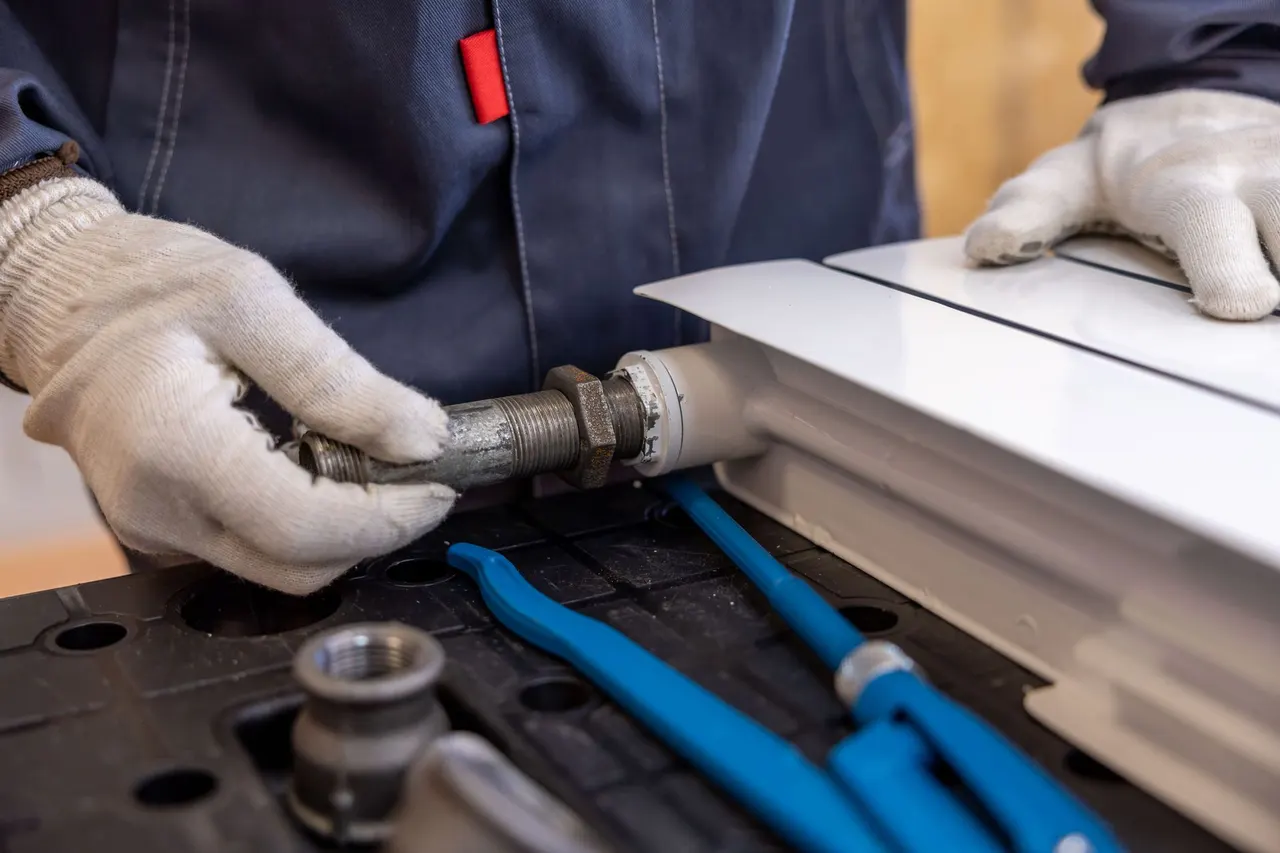
We inspect the area where water entered and nearby materials, then compare moisture readings to unaffected surfaces. If the source is no longer active but the odor remains, we identify whether targeted sampling or access to a concealed cavity can answer the concern. Odor can persist when water remains in drywall, insulation, carpet padding, or a concealed cavity. Masking the smell leaves the moisture source unresolved and can delay needed repairs.
We document the stain, inspect accessible ceiling edges, and check moisture around the suspected pathway. If readings indicate active dampness, we recommend addressing the water entry and drying before cosmetic repair or mold treatment. A recurring stain can indicate a roof leak or water traveling through insulation and framing. Repainting before finding the entry point risks another wet ceiling and more extensive material damage.
We assess accessible crawl space areas, identify remaining water and damp materials, and map the affected zone. Our findings help prioritize water removal, drying, pump repair, and any targeted mold evaluation for the areas that stayed wet. Standing water and elevated moisture below a home can affect insulation, framing, and indoor conditions. Delayed removal makes it harder to tell where water traveled and whether materials remain wet.

We compare readings along flooring edges, nearby walls, and the suspected plumbing route. Results help determine whether more leak investigation, controlled drying, or a targeted sample is useful before flooring or drywall repairs begin. Water can move beneath hardwood or carpet and remain against baseboards after the surface dries. Persistent moisture can damage finishes and create conditions suitable for mold growth.
We use a moisture meter and visual checks to map suspicious areas beyond the stain or odor. Comparing readings across nearby materials helps distinguish a damp patch from a broader affected zone, so you can address a leak before it damages more drywall, hardwood flooring, or insulation.
Sampling is selected to answer a defined question, such as whether airborne spores are elevated in a particular room. We explain the sample location and limitations before collection. That keeps home mold testing kuna Idaho focused on useful evidence rather than collecting samples without a clear purpose.
Your findings clarify whether the next action is leak repair, structural drying, material removal, or professional remediation. If readings show wet materials, we identify the affected locations and discuss drying equipment such as an air mover or dehumidifier instead of treating odor alone.
We record locations, visible conditions, and relevant moisture readings so you can discuss the issue with a landlord, contractor, or insurer. A room-by-room record is especially useful when water entered from a roof leak or sewage backup and several materials need separate decisions.
Clear records you can keep and share.
Observed conditions and affected locations.
Recorded measurements by material and area.
Drying, repair, or sampling recommendations.
An inspection looks for visible conditions and moisture pathways; testing analyzes collected samples. The two methods answer different questions, so sampling is most useful when the inspection leaves a specific uncertainty.
A moisture reading identifies damp material, not mold species. We compare readings with nearby areas and use them to guide drying or further inspection.
A lab result describes the sample collected at one location and time. It does not find the water source or prove every room is affected.
Drying or cleaning cannot solve recurring water entry by itself. We identify the likely source so repairs can address the condition sustaining the concern.
Outside these neighborhoods? Call and ask about service for your address. (833) 546-4116
Kuna water damage restoration performs property inspections for visible mold concerns and moisture conditions in kuna, Idaho. We examine affected materials, take comparative moisture readings, and recommend sampling when it answers a specific question. Ask who does mold inspection and testing in kuna ID when a leak, odor, or recurring stain needs investigation; we will explain what we can assess and what the next step involves.
A focused inspection commonly costs $200 to $600, while laboratory sampling can add about $75 to $150 per sample; these are typical 2026 planning ranges. The total depends on property size, access, sample count, and whether multiple rooms need assessment. We explain pricing upfront before work proceeds. A clear question and known leak history help keep mold testing in kuna focused.
Persistent musty odor, visible spotting, recurring ceiling water stains, or damp materials after a leak are common reasons to investigate. None alone identifies the mold type or confirms hidden growth. We inspect the area, measure moisture, and recommend testing only when needed. If a burst pipe or roof leak affected your home, arrange an assessment promptly; damp materials left for 24 to 48 hours warrant attention.
A mold inspection includes a history review, visual checks, moisture measurements, documentation, and targeted sampling when useful. A typical single-room visit takes about 1 to 3 hours, depending on access and affected materials. We check nearby surfaces and likely water pathways, then explain findings and next steps. The inspection does not replace leak repair or remediation when those are required.
A musty smell or recurring water stain deserves a measured answer. Call our team at (833) 546-4116 to discuss your property and arrange an inspection. We explain findings and next steps clearly, with upfront pricing before work proceeds.
Call (833) 546-4116 when water reaches your home or business in Kuna, Idaho. Tell us whether the source is still active, which rooms are affected, and when the damage began; that helps direct the next steps. Calls are accepted at any hour for emergency inquiries, and service coverage includes Kuna, ID, with ZIP codes 83634 and 83642.