Moisture findings
Recorded readings for affected carpet and nearby materials.
Carpet water extraction kuna ID helps homeowners, tenants, and local businesses address soaked carpet before moisture spreads into padding, baseboards, or subflooring. We inspect the affected area, extract standing water with purpose-built equipment, and measure drying conditions so you know what needs attention next. Call us after a burst pipe, appliance leak, roof leak, or flooding; prompt extraction can limit damage and shorten the drying process.
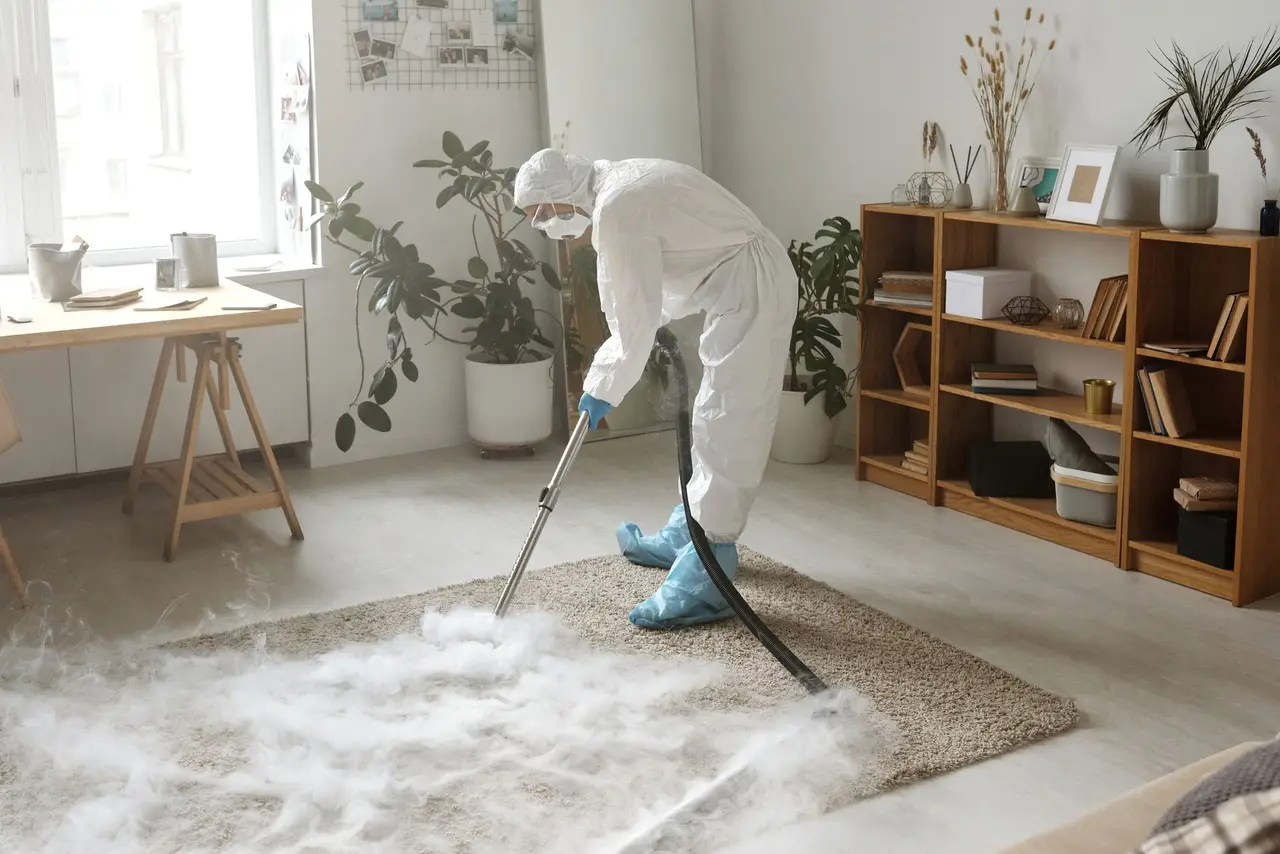
Carpet water extraction covers inspection of the water source, assessment of affected carpet, and mechanical removal of standing water from suitable materials. We check accessible padding and nearby surfaces, then explain whether drying equipment or follow-up readings are needed. Pricing is discussed upfront based on the affected area and work required. Repairs to the leak, carpet replacement, contaminated-material removal, and specialty odor treatment are separate tasks when the loss calls for them.
A leak can soak carpet before you see water on the floor, especially beneath furniture or along a wall. We check the affected room and explain the extraction and drying steps for your home.
Wet carpet can interrupt customer access, office work, or tenant turnover. We identify affected sections and plan equipment placement around the paths your staff and visitors need to use.
Carpet water extraction kuna ID is a water-damage restoration service that removes liquid from carpet and padding after a leak or flood. We first identify the water source and assess the affected rooms, then use a water extraction unit to pull moisture from the carpet fibers. A moisture meter helps us check carpet edges and nearby materials, while a hygrometer tracks indoor humidity. The goal is to remove recoverable water, determine whether padding can be dried, and set up the right next steps rather than simply masking dampness with surface cleaning.
In kuna, a frozen pipe during a cold snap, a slab leak, a washing-machine hose failure, or a storm-driven roof leak can soak carpet quickly. We check the carpet, padding, baseboards, and accessible flooring because water can travel beyond the visible stain. Our carpet water removal kuna service addresses the wet materials and drying conditions together. If you searched for wet carpet water removal in kuna Idaho, we can assess the water source, explain what can be saved, and begin extraction based on the contamination and extent.
Extract standing water, measure what remains, and dry the materials that can be saved.
Carpet water extraction kuna work starts with the source and the wet materials, not a machine pass across the room. We explain each step, protect nearby contents, and keep you informed about the time needed for extraction and drying. The first visit often takes two to four hours for a contained room; larger or contaminated losses require more work.
We begin by locating the source and confirming it is controlled before moving equipment onto wet flooring. We ask when the water entered, whether it came from a clean supply line or a drain, and which rooms are affected. A first inspection commonly takes 20 to 45 minutes, depending on access and the number of wet areas.
Our technician checks the carpet, visible edges, baseboards, and adjoining surfaces with a moisture meter and thermal imaging camera when useful. We note the wet-area boundaries and look for moisture that has traveled under furniture or toward walls. This map helps us target extraction and avoid treating dry areas as if they were saturated.
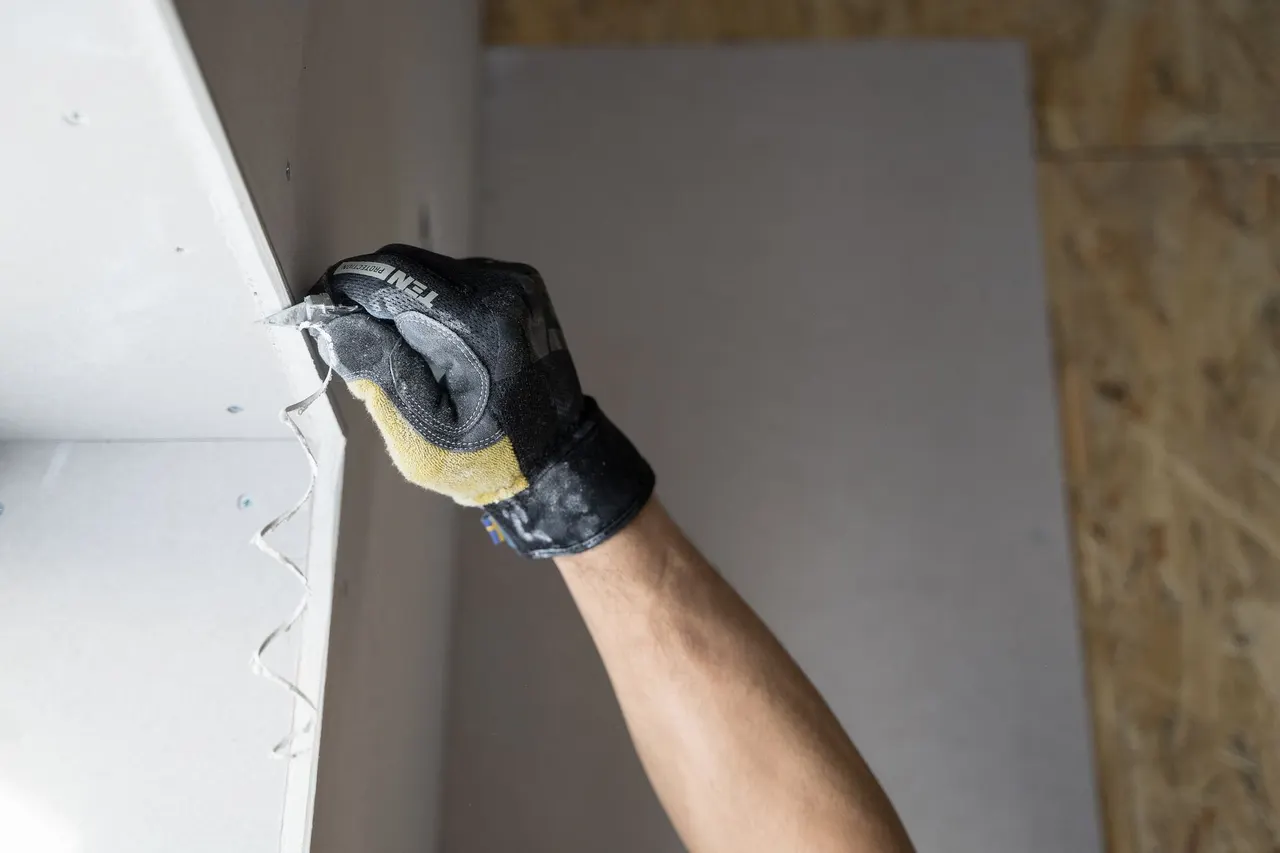
We move furniture or protect it where practical, then make controlled passes with a water extraction unit. The number of passes depends on saturation, pile, and access; a single pass rarely tells the whole story. We check the carpet again after extraction and discuss any padding or flooring concerns before setting up drying equipment.
We position air movers to circulate air across wet surfaces and use a dehumidifier to remove moisture from the room. For a typical contained room, the initial setup can take 30 to 60 minutes after extraction. We keep pathways usable where possible and explain which equipment should remain in place during the drying period.
We return or arrange a follow-up reading to check whether carpet and nearby materials are drying as planned. Drying commonly takes 24 to 72 hours, but material depth, indoor humidity, and water volume affect the time. We review readings with you and identify any further cleaning, repair, or removal work needed.
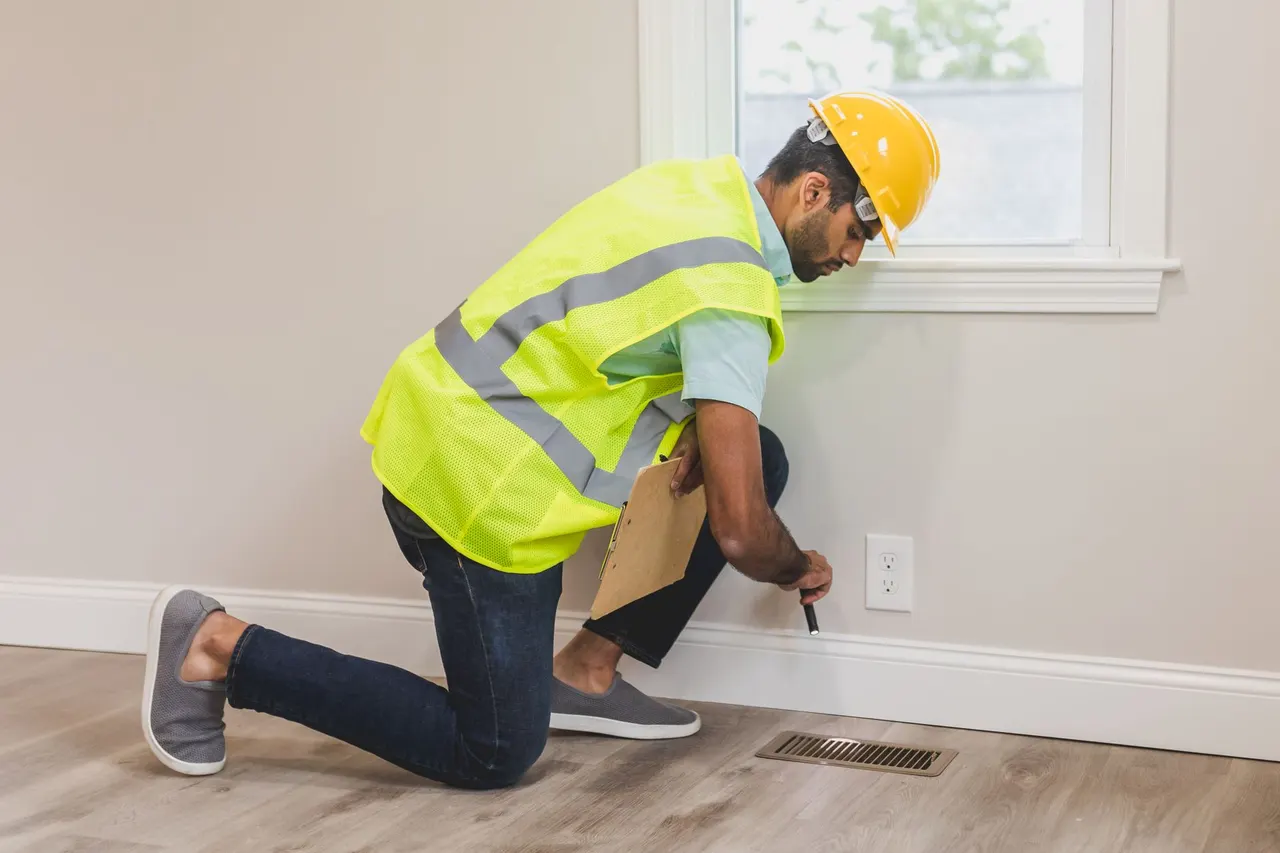
Removes recoverable water from carpet fibers and accessible surfaces. We make controlled passes, then check the area again before deciding how much drying equipment is needed.
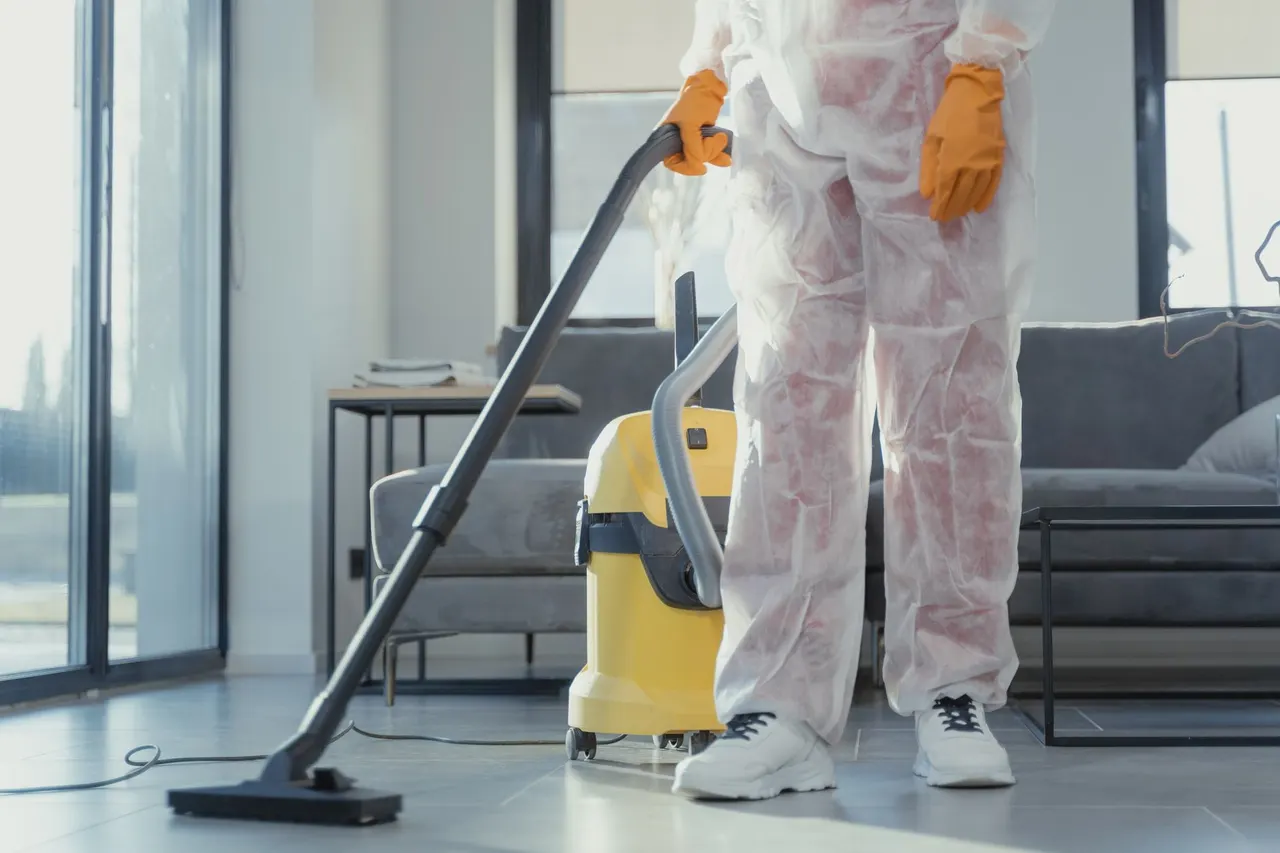
Checks moisture in carpet edges and nearby materials. Readings help locate damp areas that do not show clearly on the surface and provide a baseline for follow-up.

Helps identify temperature patterns that can point to areas needing closer moisture testing. We use it as an inspection aid, then confirm conditions with appropriate measurements.
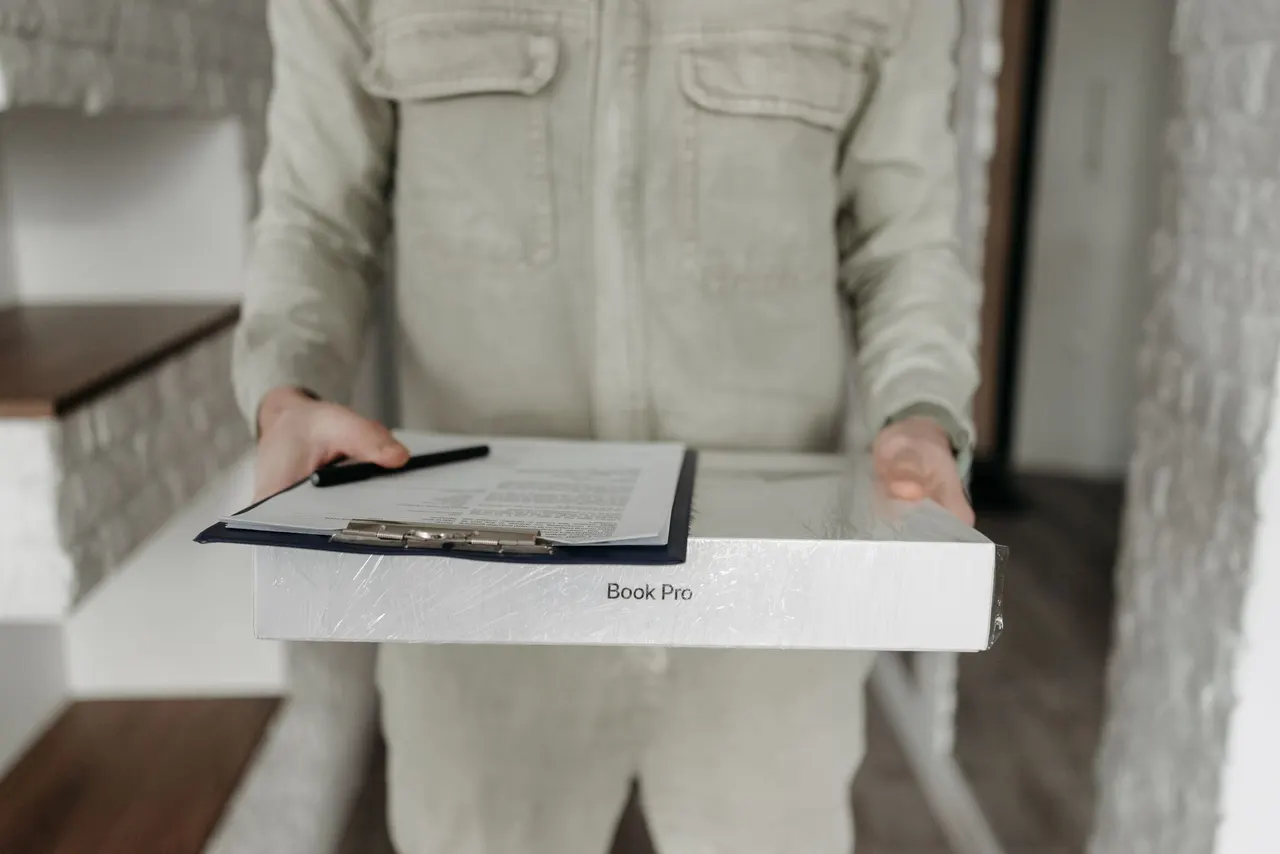
Measures indoor relative humidity so we can understand room drying conditions. Humidity readings inform equipment placement and whether the air is removing moisture effectively.
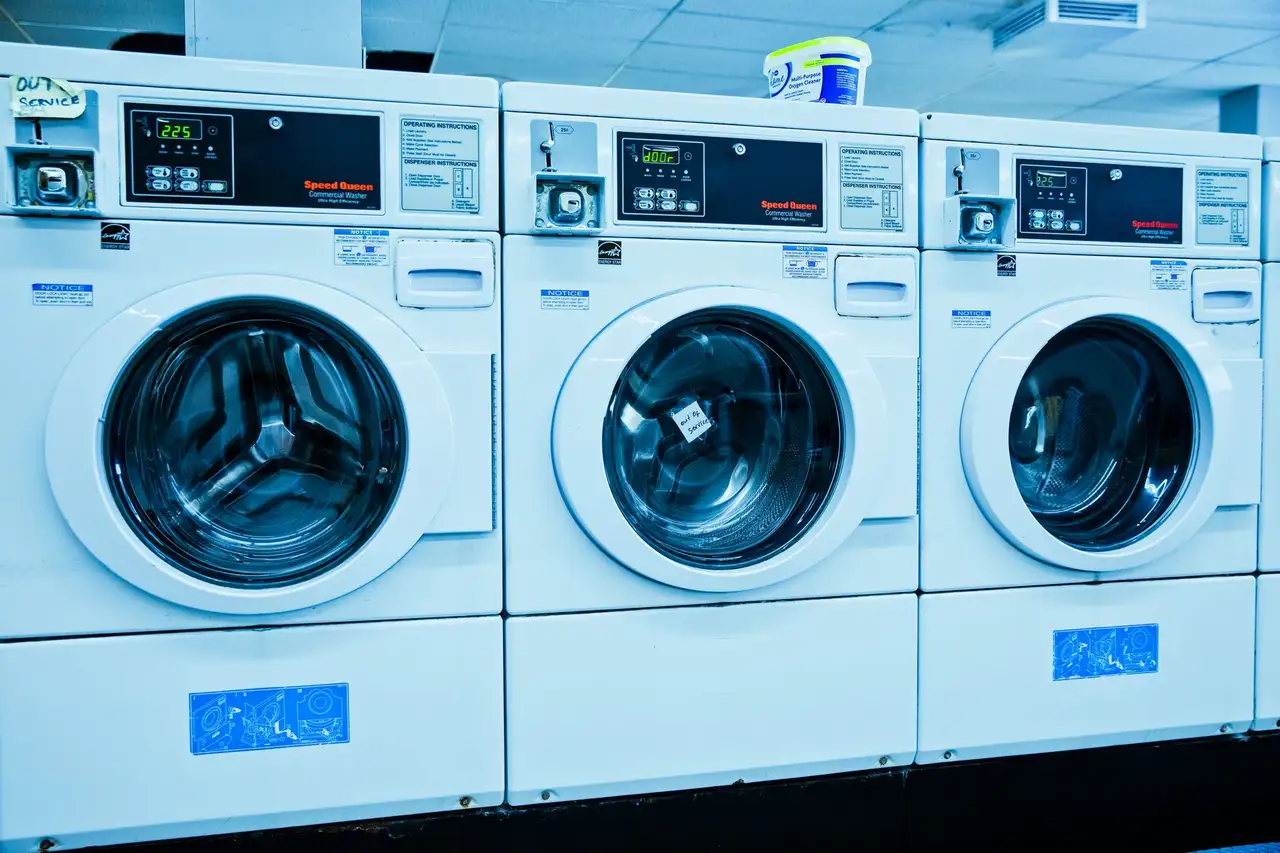
Directs airflow across wet carpet and exposed surfaces to support evaporation. We place air movers to target affected areas and keep access routes workable where possible.
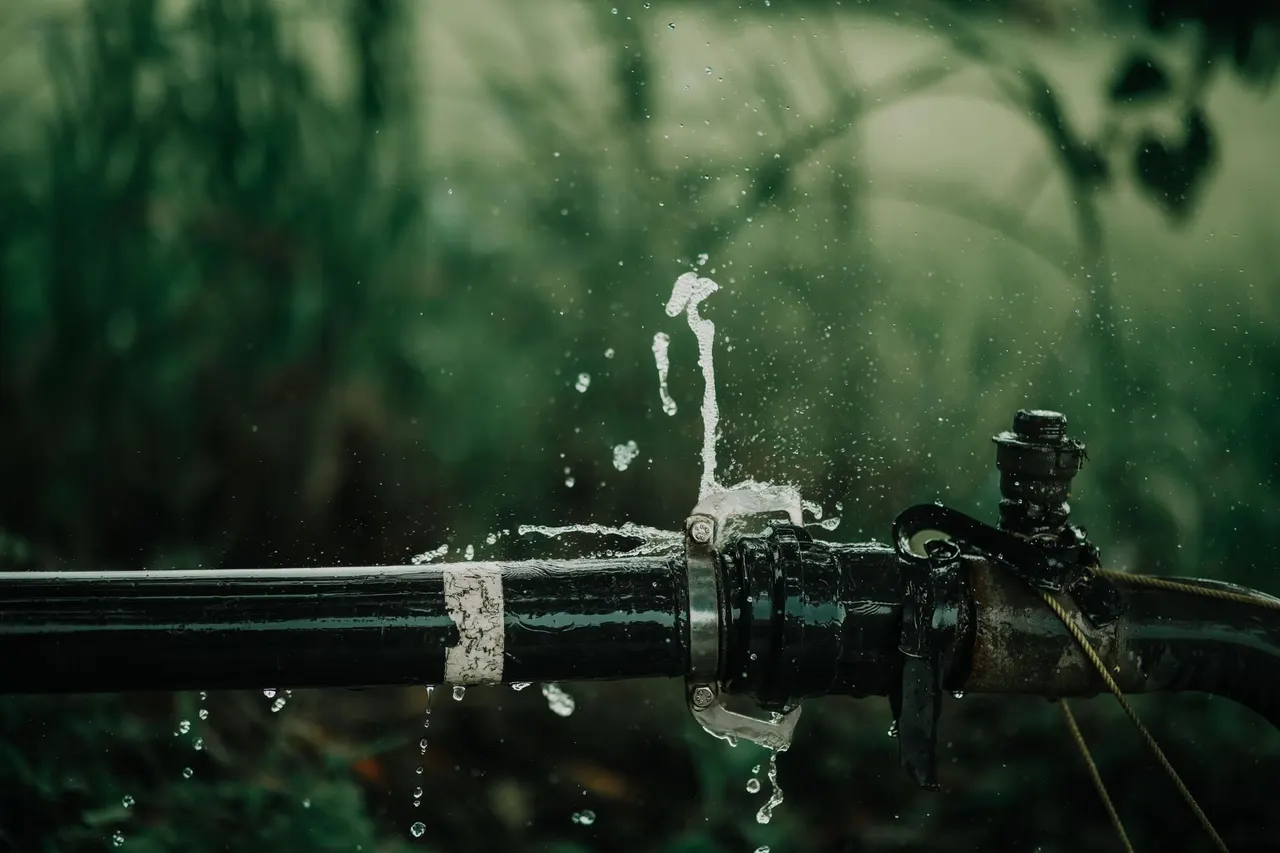
Pulls moisture from room air during structural drying. The equipment supports carpet drying after extraction, particularly when humidity is slowing evaporation.
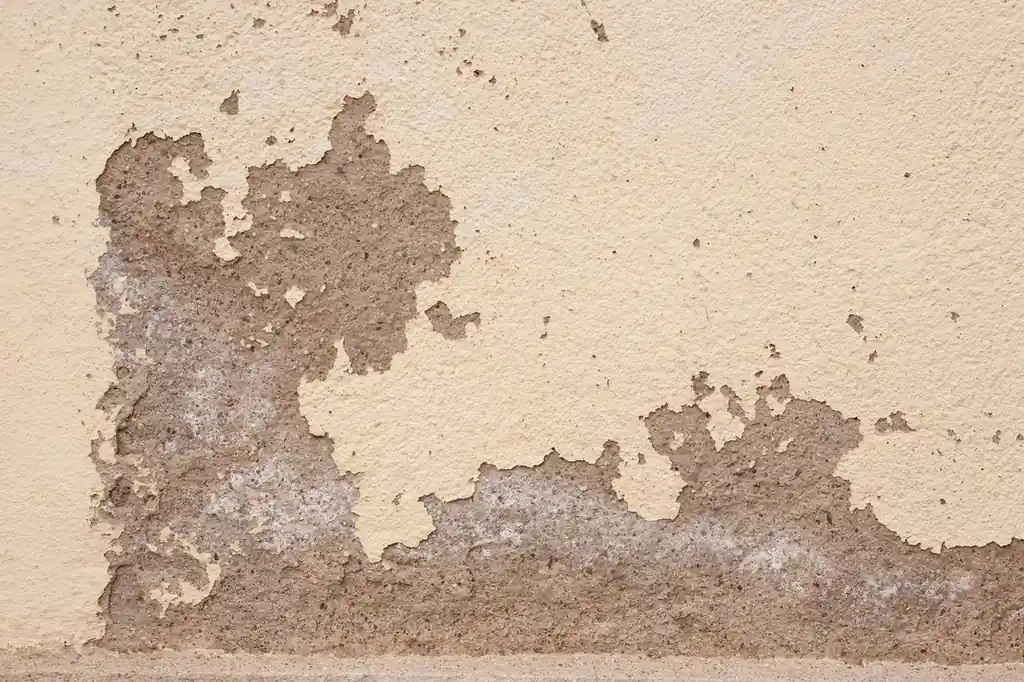
We identify whether water came from a clean supply, a contaminated source, or flooding before deciding whether carpet can be extracted and dried for reuse. The source, exposure time, and affected materials shape the response. This prevents a routine cleaning approach from being used where removal or specialized cleanup is more appropriate.
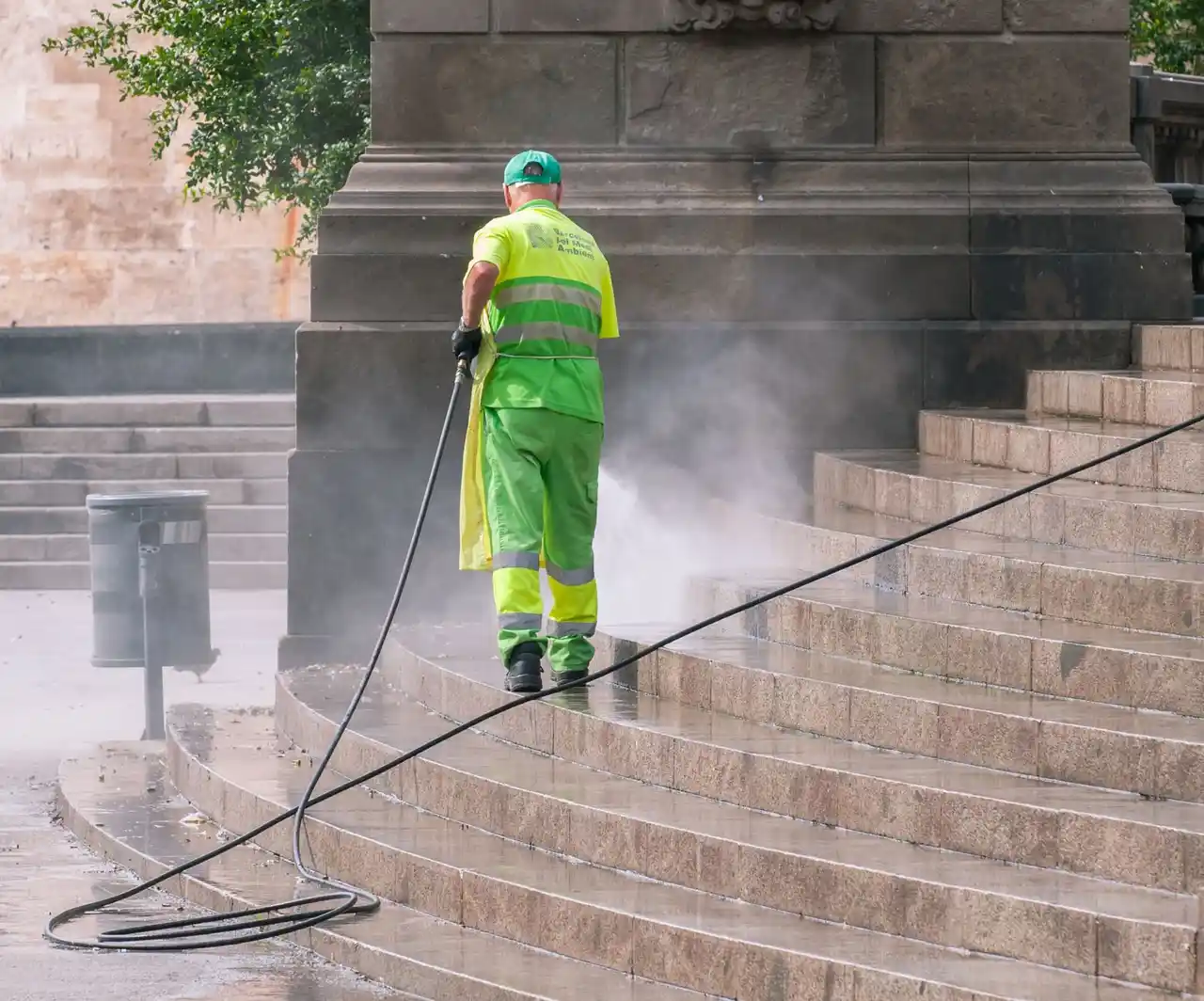
We use ANSI/IICRC S500 guidance to structure water-damage inspection and drying decisions. The process includes identifying affected materials, recording moisture conditions, and reviewing progress. Measurements help us explain why one room needs continued drying while an adjacent area may not require the same equipment.
We first confirm the plumbing source has been controlled, then check how far water traveled through the hallway and adjoining rooms. We extract standing water, assess the padding, and place drying equipment where readings show moisture. You get a clear explanation of what can remain and what needs further attention. Water is removed from recoverable carpet, and drying focuses on the actual wet area rather than the whole home.
We inspect the likely roof or window entry path and check carpet edges, nearby baseboards, and accessible wall materials. After the leak is controlled, we extract wet sections and set up airflow that keeps walkways practical. We document readings for the property manager's restoration records. The affected work area is identified, and the business can plan access around extraction and drying equipment.
We assess standing water, carpet saturation, and lower wall materials, then extract water where the water category allows. We check whether seepage is continuing and discuss the pump or drainage issue alongside drying. Contents blocking access are moved or protected where practical. The immediate wet flooring is addressed, with source-related concerns identified before the next rain or thaw.
We test the carpet and accessible padding instead of judging by touch. If moisture remains, we extract it and arrange targeted airflow and dehumidification. We also check the wall edge and flooring transition, where water can collect unnoticed after a slow leak. You learn whether the carpet is actually dry and whether the padding or adjacent materials need more work.
Carpet water extraction kuna is shaped by the weather and construction conditions around Ada County. As colder nights arrive in November, frozen supply lines can leak when a home is unoccupied or a room is poorly heated. During wetter periods, roof leaks, foundation seepage, and sump pump failure can leave basement carpet damp along outside walls. Newer homes with connected living spaces also allow water to travel beyond the first room before it is noticed.
We start by confirming the source, then map moisture across carpet, padding, and accessible baseboards. For carpet water damage cleanup kuna Idaho, contamination and time wet matter as much as the visible area. We use readings to plan extraction and drying, and we keep doorways and common paths in mind when placing equipment. If a leak has reached drywall or insulation, we point out the added materials that need assessment rather than treating the carpet as the whole loss. We serve ZIP codes 83634 and 83642 and nearby communities across Ada County.
A failed supply line left about 120 square feet of hallway carpet wet, with water reaching the edge of a bedroom. The surface felt cool, but the homeowner could not tell whether padding had absorbed water. Furniture and shoes blocked sections of the floor, and the leak had only just been stopped.
We extracted the hallway and bedroom-edge carpet, checked accessible padding, and set two air movers with a dehumidifier. Follow-up readings over 48 hours showed the affected carpet moving toward dry conditions. The homeowner had a mapped work area and clear instructions for keeping the equipment running.
Check supply hoses and shutoff valves periodically, especially behind washing machines and refrigerators. If a leak occurs, stop the source and move small items off wet carpet without pressing water deeper into the pile.
Wind-driven rain entered near a window and wet roughly 200 square feet of carpet in a Kuna office. A ceiling stain suggested water had traveled behind the wall, while the carpet stayed damp after the storm passed. Staff needed a safe route through the suite during cleanup.
We checked the wall edge and carpet boundary, extracted the affected section, and directed airflow away from the main corridor. The initial extraction and setup took about three hours. A later check found reduced moisture in the carpet and identified the wall area that still needed attention.
After storms, inspect window edges, ceilings, and carpet below exterior walls. Report new staining or soft baseboards early; a small entry point is easier to trace before water spreads through connected materials.
A sump pump failure left approximately 300 square feet of basement carpet damp after water collected along an exterior wall. Stored boxes limited access, and a musty smell was beginning near the carpet edge. The owner needed to know whether the carpet and pad could be kept.
We moved accessible contents, assessed the water source, and extracted the carpeted area that was suitable for drying. Air movers and dehumidification ran with readings checked over three days. The inspection also identified the wall-side area requiring follow-up after the pump issue was addressed.
Keep the sump area clear enough for inspection and test the pump according to its manufacturer instructions. After heavy rain or a power interruption, check basement edges and stored items for dampness.
Wet carpet can hold water below the visible surface and pass moisture into padding, baseboards, and adjacent flooring. We identify how far water traveled and whether the carpet is appropriate to save. If you searched for affordable carpet water removal kuna ID, we can explain the work and cost factors after assessing the water source and affected materials.
We inspect carpet edges and accessible padding, then extract recoverable water with suitable equipment. Moisture readings guide drying placement and follow-up checks. If padding is damaged or water exposure makes it unsuitable to keep, we explain that finding before additional drying is planned. Padding can stay saturated after carpet fibers feel drier, extending drying time and affecting nearby flooring or baseboards.
We trace the wet-area boundaries, move or protect contents where practical, and extract the affected carpet. Air movers and dehumidification support drying after extraction. We recheck nearby areas so a narrow visible stain does not conceal moisture extending into a hallway or closet. Water can spread beneath furniture and across adjoining rooms, leaving damp carpet outside the obvious puddle and delaying normal use.
We assess the water path from the ceiling to the carpet and check affected materials for remaining moisture. Extraction comes before cleaning or odor treatment. If the water source remains active, we identify that problem so the same carpet is not repeatedly soaked. Odor can persist when moisture remains in carpet backing or padding, even after the ceiling leak appears to have stopped.
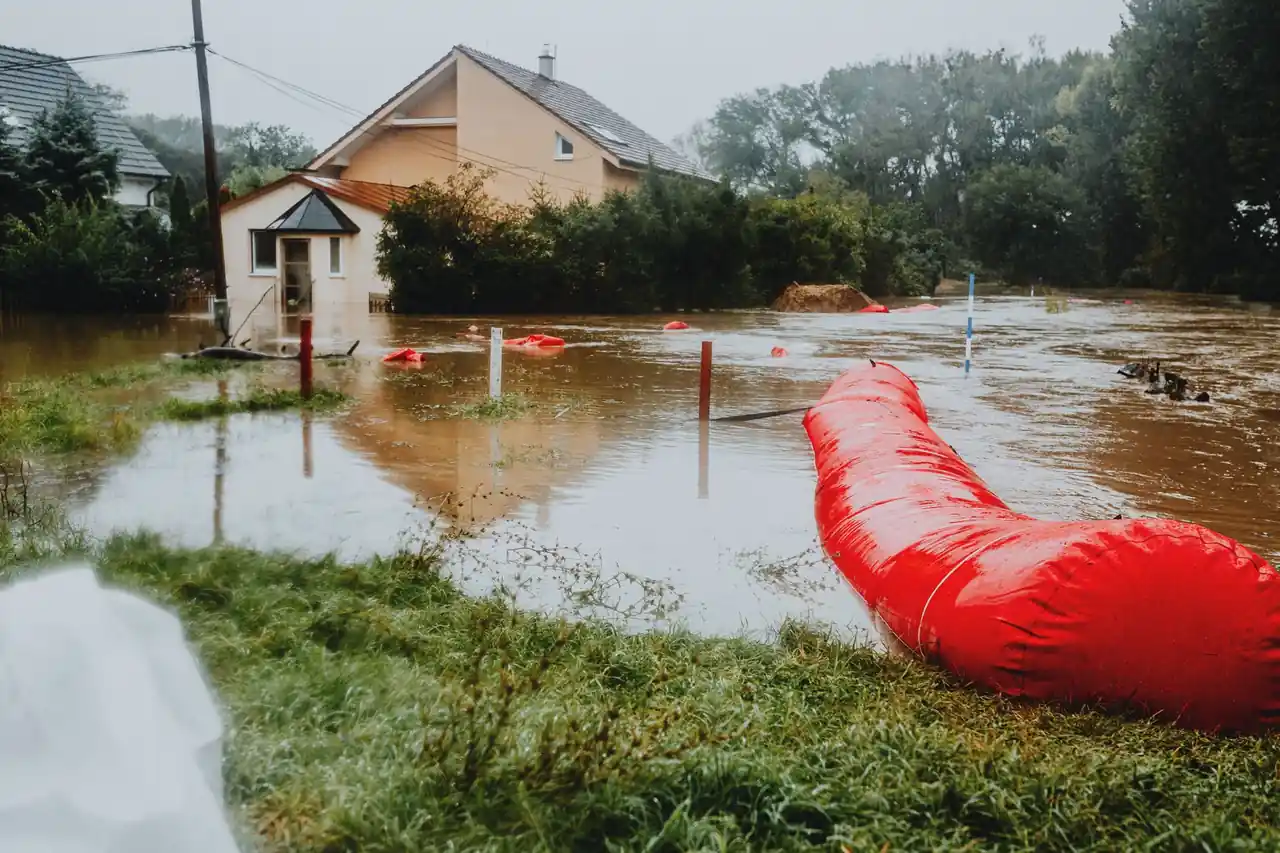
We identify the source and assess the water category before selecting a cleanup approach. Contaminated carpet and padding may require removal instead of salvage. We explain the affected materials and coordinate appropriate cleanup steps rather than treating contaminated water like a clean pipe leak. Sewage or floodwater can introduce contaminants that make ordinary extraction and reuse unsafe for carpet and padding.
We use a water extraction unit to remove liquid from the carpet rather than relying on towels or household vacuums. On a small, accessible room, extraction can take roughly 30 to 90 minutes, depending on how saturated the carpet is. We check the floor afterward and identify remaining damp areas that need directed drying.
Carpet padding absorbs water quickly and can stay wet beneath a dry-feeling surface. We inspect edges and test the materials before recommending whether padding can remain. If the water was clean and drying conditions are suitable, salvage may be possible; contamination or extended saturation changes the plan.
We record moisture and humidity readings to guide where air movers and a dehumidifier should go. Measurements help us avoid guessing from appearance alone. Your drying plan reflects the size of the wet area, airflow, and moisture in adjoining materials, not just a standard equipment count.
After extraction, we explain whether the carpet needs additional drying, a cleaning step, or removal due to contamination or damage. You can see which areas were checked and what readings informed the recommendation. For a covered loss, those details can also help you organize information for your insurer.
Clear records you can keep and share.
Recorded readings for affected carpet and nearby materials.
Work steps based on source, area, and material condition.
Equipment placement and follow-up instructions for the room.
Extraction removes free water from the carpet, while drying addresses moisture left in carpet, padding, and nearby materials. Both stages matter when the water has soaked below the surface.
Carpet can feel dry before the padding is dry. Readings at edges and accessible materials give a fuller picture.
A clean pipe leak differs from sewage or floodwater. The source affects whether carpet can be safely cleaned and dried.
One inspection records the starting condition. Later measurements show whether the drying setup is reducing moisture.
Outside these neighborhoods? Call and ask about service for your address. (833) 546-4116
Kuna water damage restoration provides carpet water extraction and drying support for wet homes and businesses in kuna, Idaho. We inspect the water source, test affected carpet and nearby materials, and use extraction equipment suited to the loss. Tell us whether the water came from a supply line, roof leak, or drain; the source affects what can safely be cleaned. Call (833) 546-4116 to discuss the affected rooms and arrange an assessment.
A contained carpet extraction job often costs $180 to $450, while larger losses can range from $450 to $1,500 or more. Typical 2026 pricing in kuna depends on wet-area size, water category, padding condition, furniture handling, and drying equipment. We explain pricing upfront after assessing the work. Carpet water removal kuna costs more when water has reached multiple rooms, walls, or flooring beneath the carpet.
Yes, wet carpet can often be saved when clean water is extracted promptly and the carpet and padding remain structurally sound. A decision is usually possible after inspection and moisture testing; extended saturation or contaminated water can make removal necessary. We check carpet backing, padding, and nearby baseboards, then explain the options. A visible dry surface alone does not confirm that the materials underneath are dry.
Carpet drying commonly takes 24 to 72 hours after extraction, with deeper saturation or high indoor humidity extending the time. We use air movers and a dehumidifier, then check moisture readings rather than relying on touch. Keep equipment running as directed and avoid placing rugs or furniture over damp areas. If readings remain elevated, we adjust airflow or investigate moisture beneath the carpet.
Wet carpet needs prompt assessment before moisture spreads into padding and nearby materials. Call Kuna water damage restoration at (833) 546-4116 to explain the leak and affected rooms; our team will help you take the next step. We follow IICRC WRT principles.
Call (833) 546-4116 when water reaches your home or business in Kuna, Idaho. Tell us whether the source is still active, which rooms are affected, and when the damage began; that helps direct the next steps. Calls are accepted at any hour for emergency inquiries, and service coverage includes Kuna, ID, with ZIP codes 83634 and 83642.