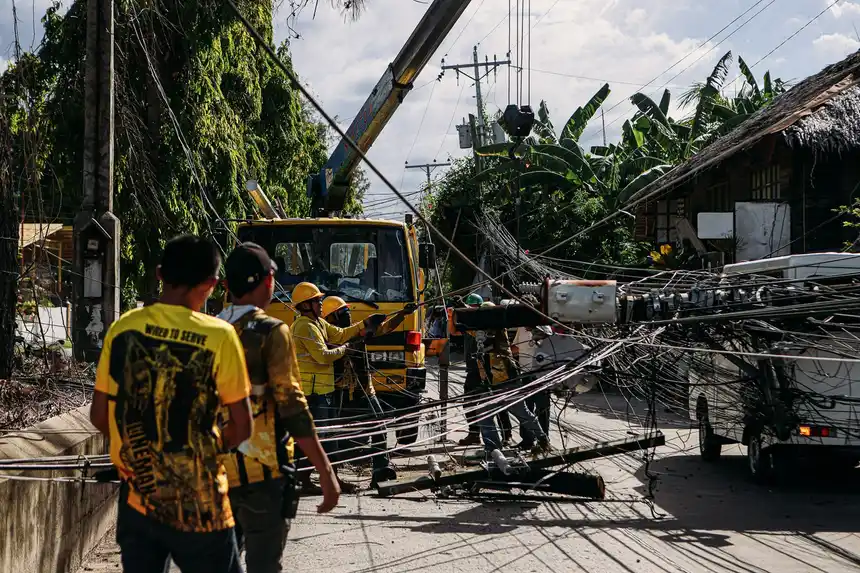
Photo inventory
Room-based record of affected belongings and visible condition.
Content cleaning and pack out kuna ID gives homeowners, tenants, and businesses a practical way to protect belongings after a leak, flood, or sewage backup. We inventory affected items, separate cleanable contents from damaged materials, and move approved belongings to a controlled work area. Our contents cleaning kuna service helps prevent avoidable handling damage while structural drying begins, so you can focus on stopping the source and getting the property back in service.
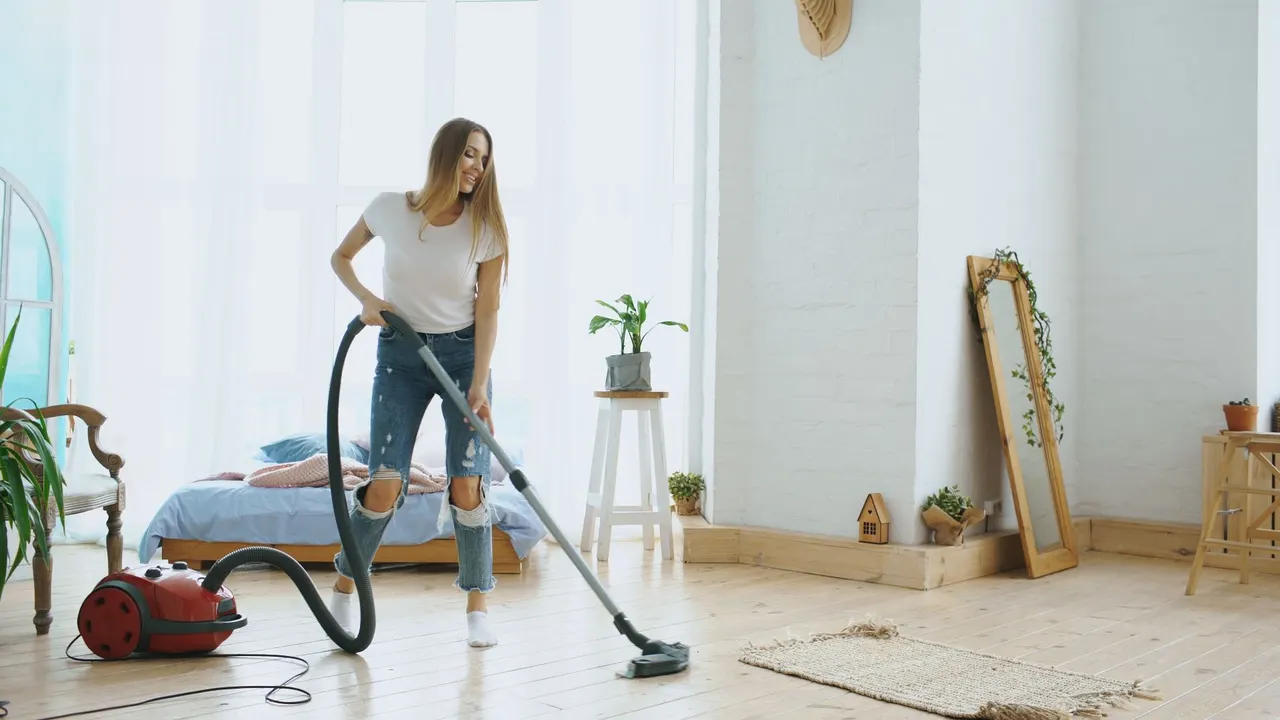
Our service covers the inventory, careful packing, movement, cleaning coordination, and return planning for belongings affected by water damage or obstructing restoration work. We sort by room, material, and exposure so appropriate items receive appropriate handling. Specialty document or electronics treatment, extended storage, and unusually large contents volumes require additional planning. We explain the work and pricing upfront, then keep your item record connected to the restoration progress.
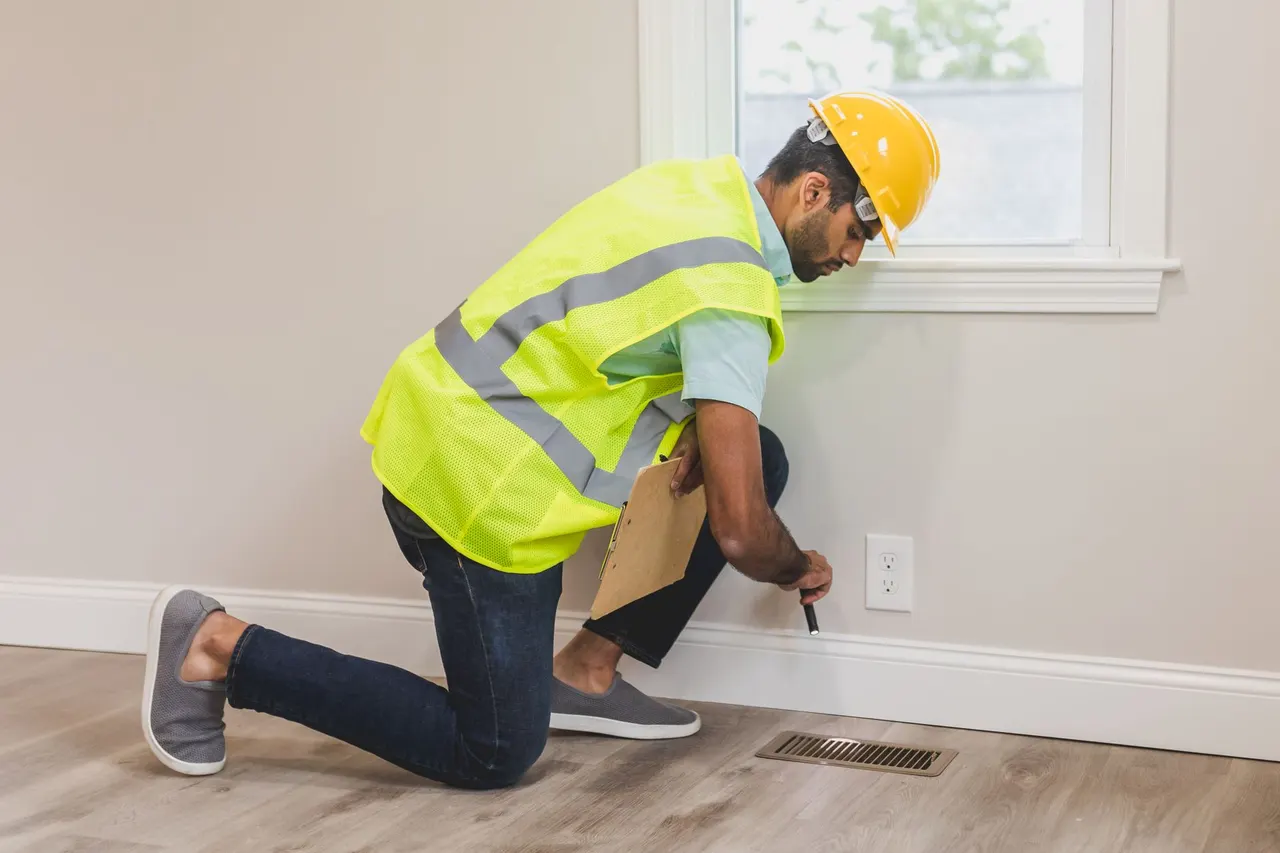
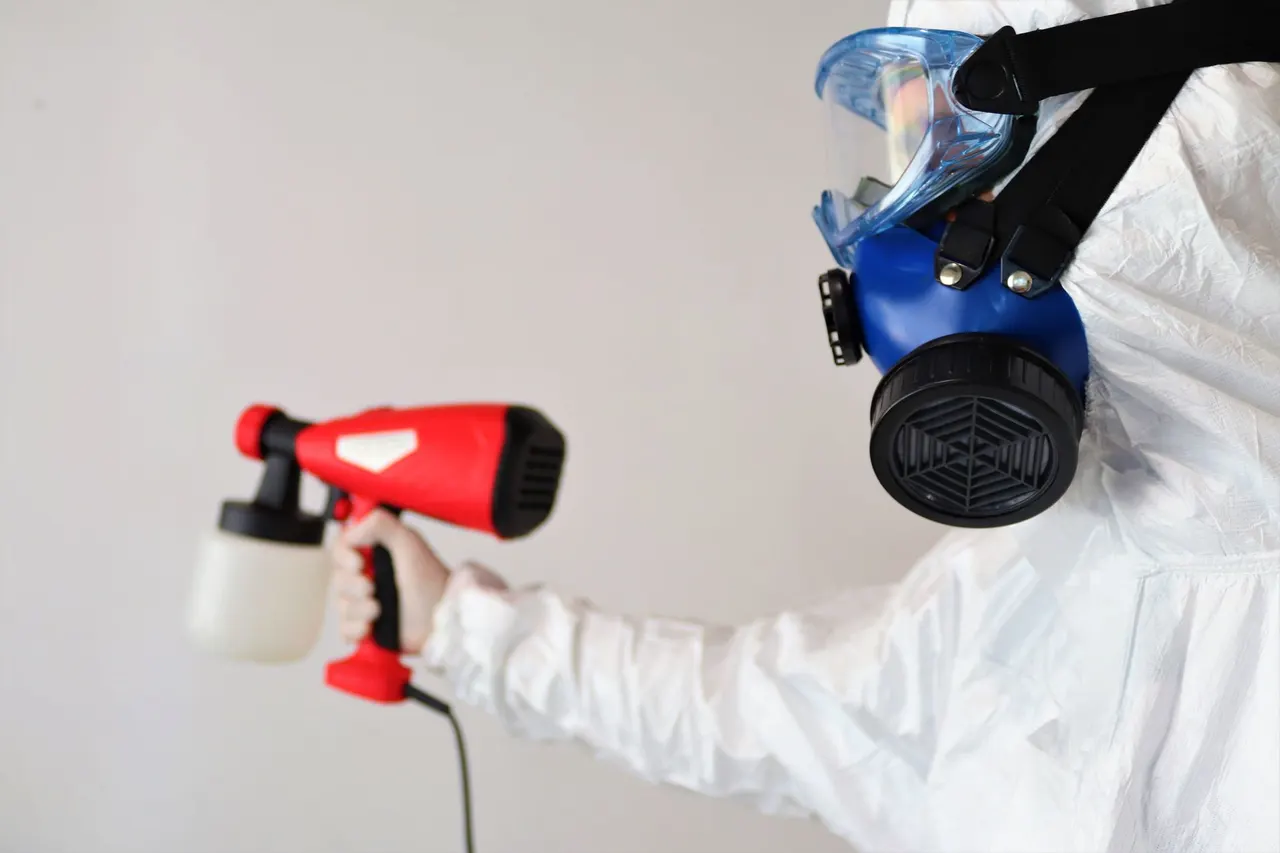
We help homeowners and tenants sort belongings after a leak, flood, or backup. Room labels and careful packing keep essentials findable while wet floors, walls, and furnishings are addressed.
We organize affected contents so owners and property managers can protect equipment, records, and furnishings. Planned movement clears work areas for inspection, drying, and repairs.
Content cleaning and pack out kuna ID is a contents restoration service that inventories, protects, moves, cleans, and stores salvageable belongings after water damage. We photograph and label items, record visible condition, and group contents by room and material before moving them. Hard furniture, textiles, small household goods, documents, and selected electronics need different handling; a wet upholstered chair is not cleaned like a sealed wood table. We coordinate the contents work with moisture checks in the affected rooms, helping keep belongings accessible for cleaning while damaged drywall, insulation, or flooring is addressed.
A burst pipe, frozen pipe, roof leak, slab leak, or sump pump failure can wet more than the floor. In Kuna, a leak beneath stored boxes or furniture can spread unnoticed until odors or swelling appear. Our Kuna content cleaning and pack out service separates damp items from dry contents and records what leaves the property. For contents cleaning in Kuna Idaho, we first identify the water source and exposure conditions, then prioritize porous items that need quick attention and items with sentimental or practical value.
A clear inventory protects belongings and gives drying crews room to reach wet building materials.
Our process keeps your belongings identifiable from the first room walkthrough through cleaning and return. We explain what we see, photograph items, and coordinate access with water removal and drying. The schedule depends on the number of contents, damage severity, and cleaning needs; a small room can be packed in hours, while a full household takes longer.
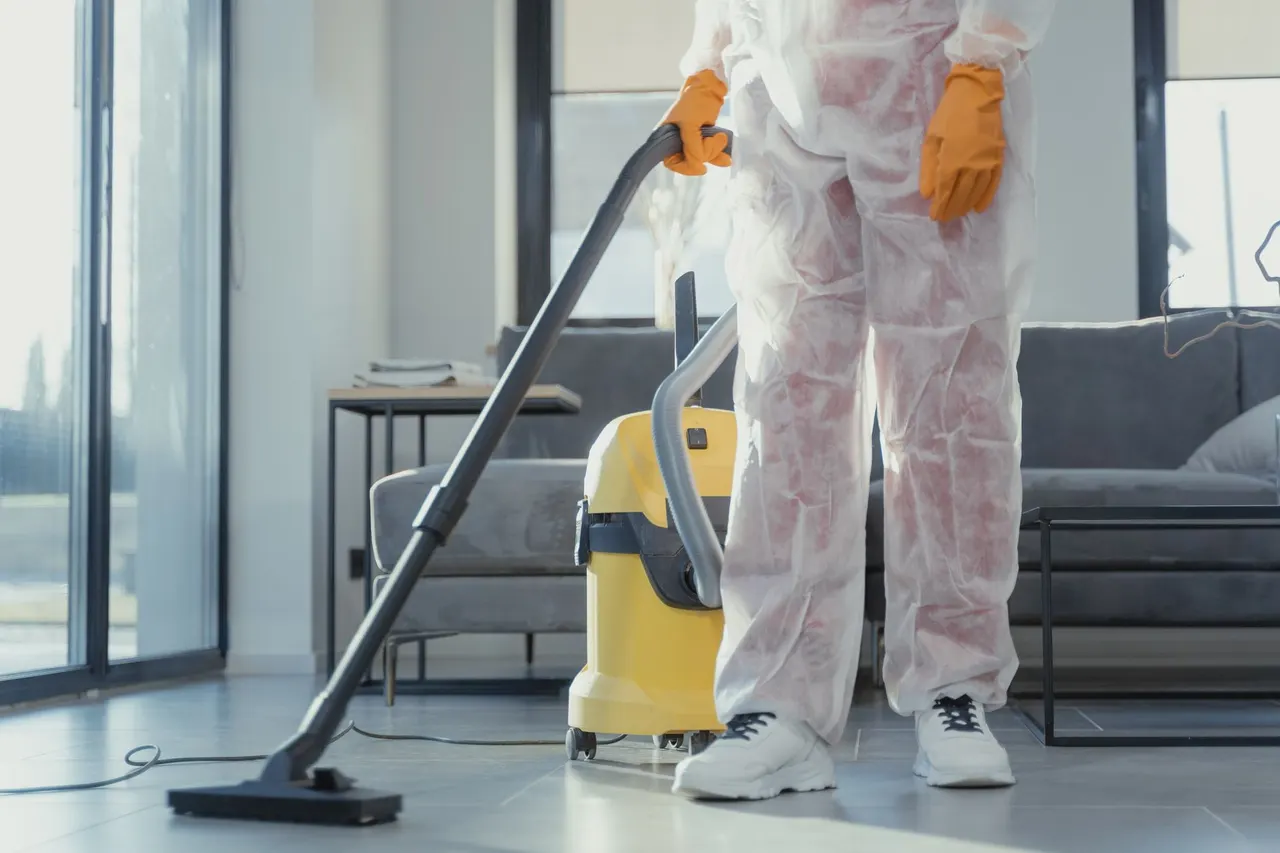
We walk the affected rooms with you, identify the water source and visible damage, and check where contents are wet or at risk. A moisture meter and, where useful, thermal imaging camera help locate damp areas around stored belongings. We agree on access priorities, flag fragile or high-value items, and record any contents that should not be moved without your direction.
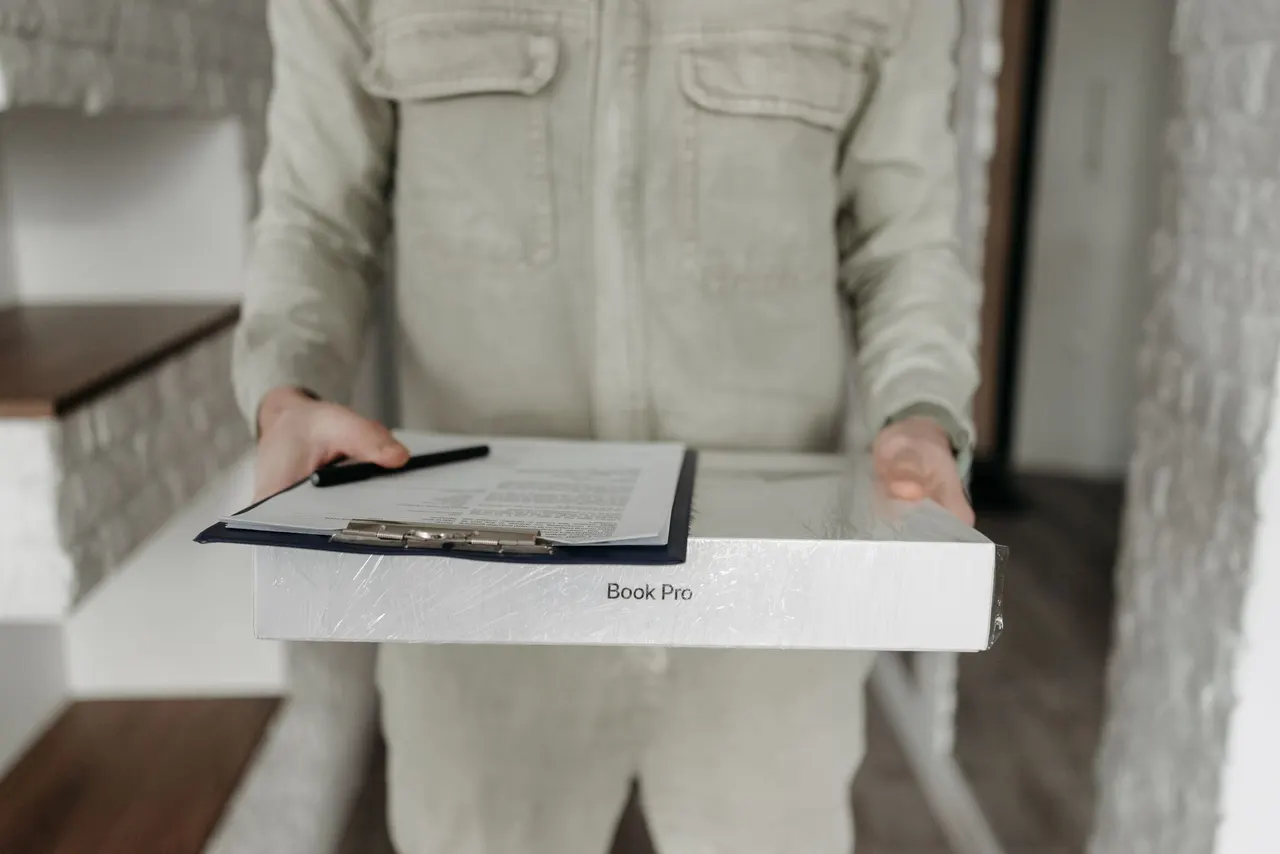
Our crew photographs items and creates room-based labels before packing. We use suitable cartons, protective wrapping, and separation for wet, dry, fragile, and sensitive contents. You can point out medication, work equipment, documents, or daily essentials that should remain accessible. Careful labeling now makes cleaning, storage, and later placement far more manageable.
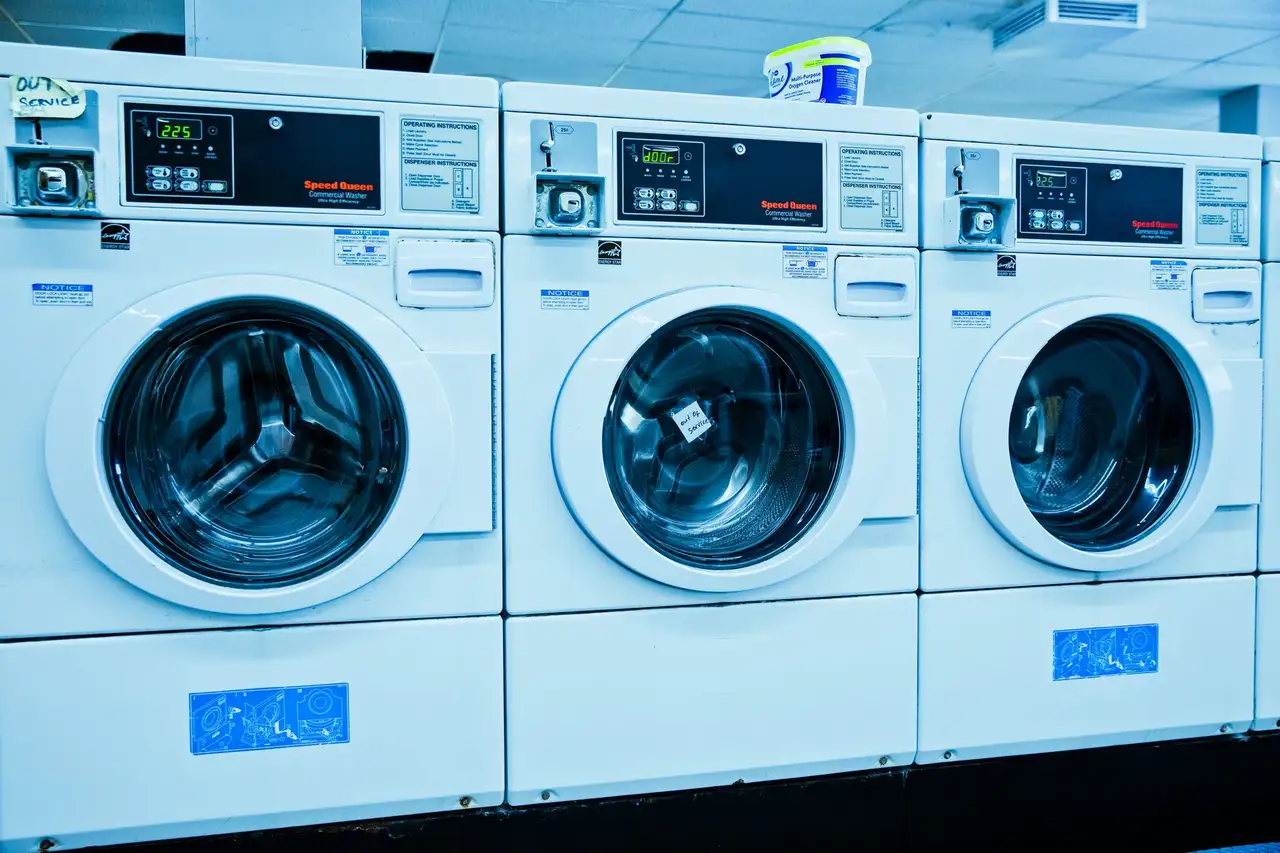
We pack approved belongings in a planned sequence, keeping room identifiers with each group and noting items that need specialized handling. The move clears working space for extraction and drying without dragging contents through contaminated or wet areas. Packing duration depends on volume; one room often takes several hours, while a packed home requires a staged schedule.
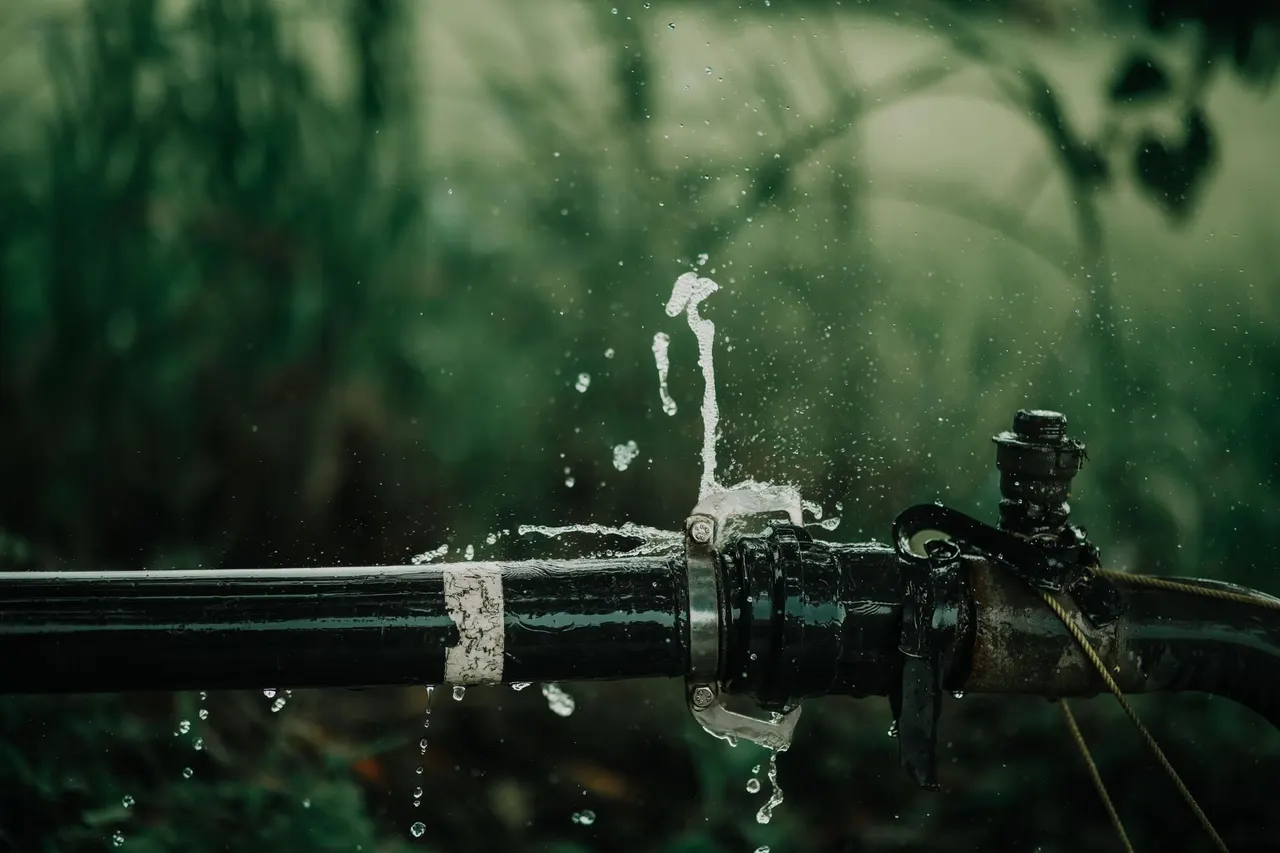
At the work area, we assess each item and select a cleaning or drying approach suited to its material and exposure. We track condition changes and separate items needing further attention. For water-damaged contents, quick sorting matters: porous materials exposed to contaminated water require a different decision from clean-water exposure and nonporous surfaces.
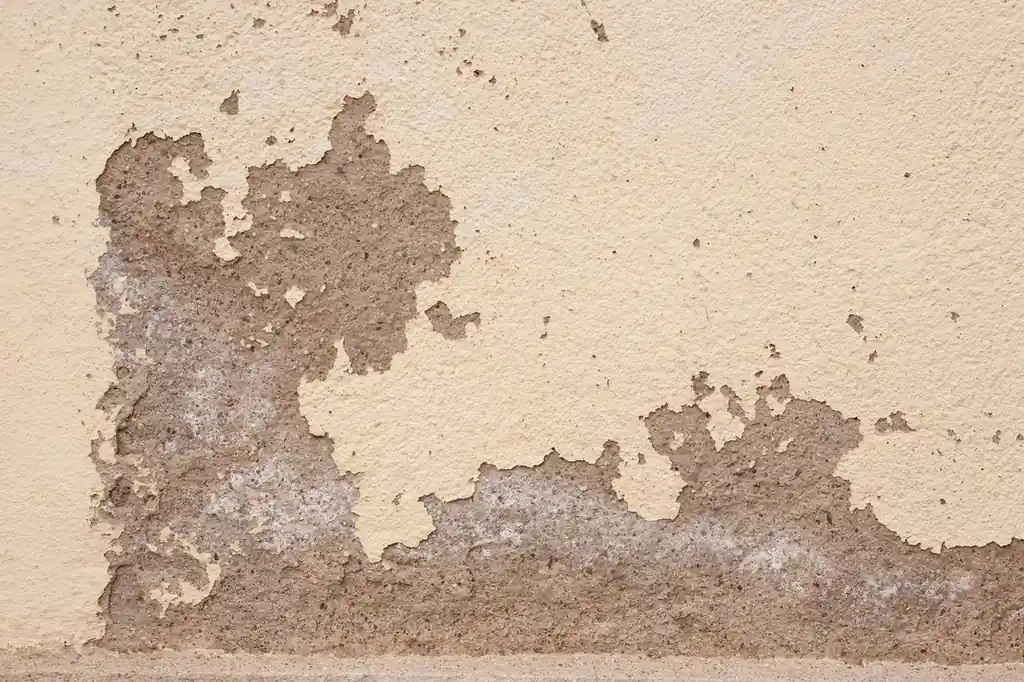
Before contents return, we check completed items against the inventory and group them by their original room. We coordinate delivery with the building's drying status so belongings do not go back into a damp area. You can review placement priorities and identify items that need to stay accessible while repairs, flooring work, or final cleaning continues.
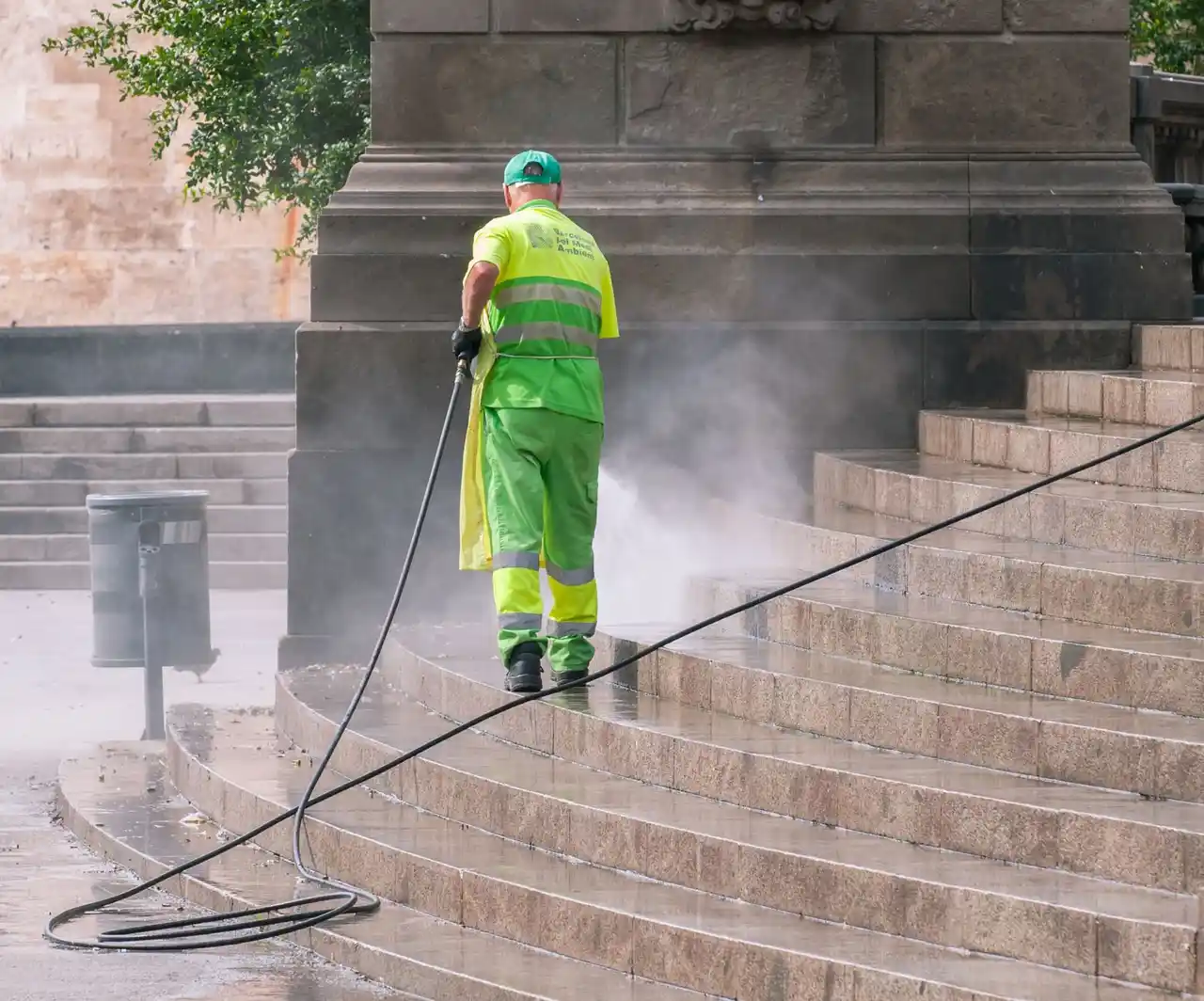
We use moisture readings to help identify damp materials near contents and confirm whether floors or wall edges need further drying attention.
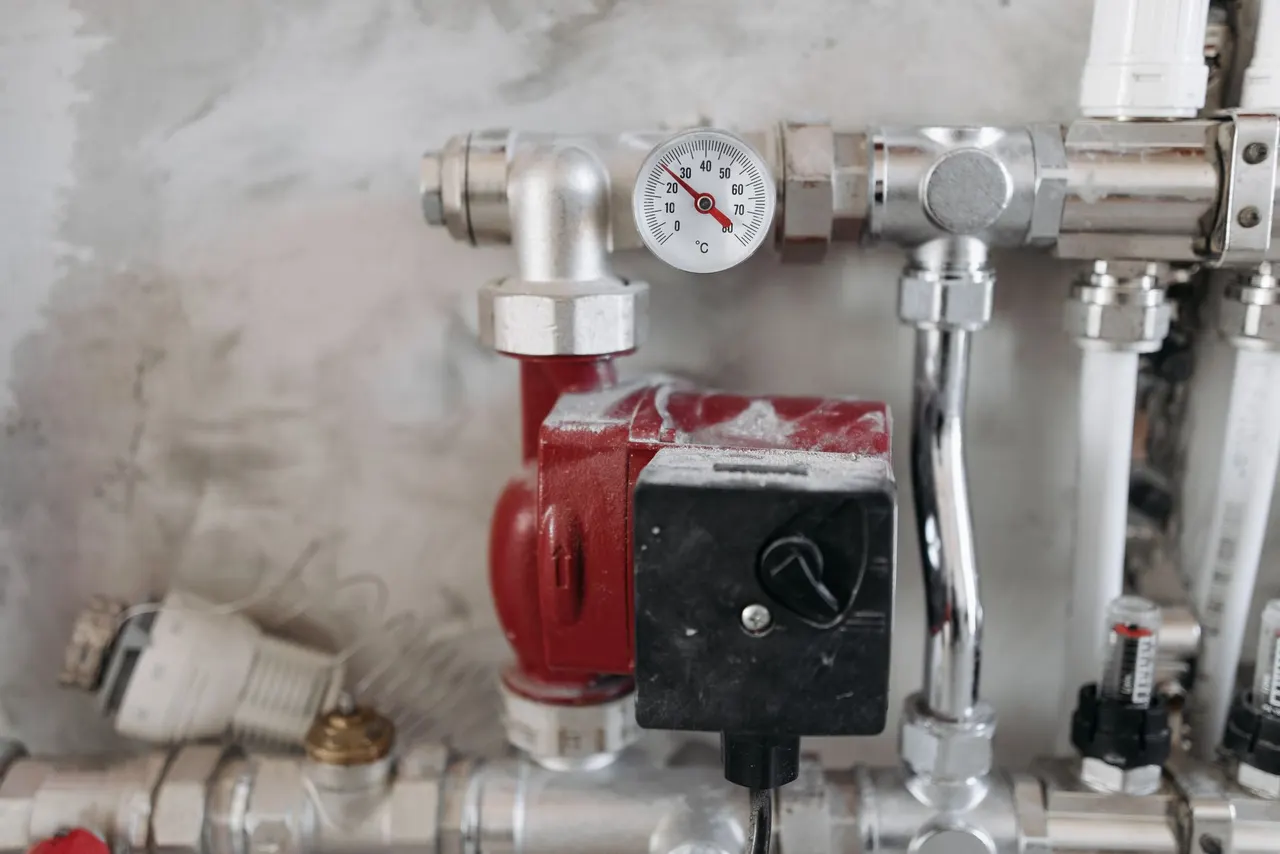
Thermal imaging helps locate temperature patterns that can point to hidden moisture, directing closer inspection behind furniture or along affected surfaces.
We track room humidity as contents are removed and structural drying proceeds, helping coordinate when belongings can safely return.
Air movers circulate air across exposed materials after contents are cleared, supporting the drying plan without placing belongings in the airflow path.
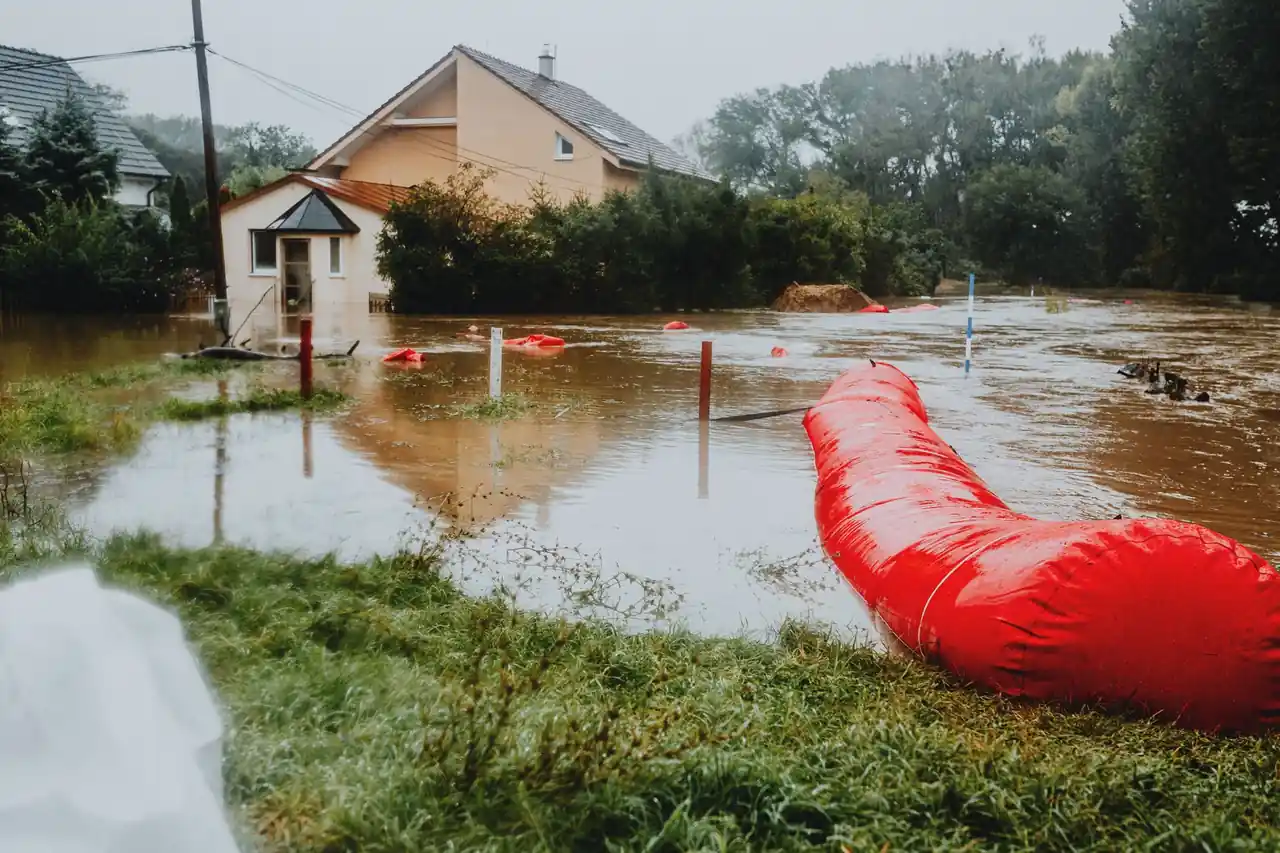
Extraction removes accessible standing water so crews can sort contents and inspect the floor without working around pooled water.
A dehumidifier helps remove moisture from the air during structural drying. We coordinate its placement after contents are moved from the work zone.
We photograph belongings, record visible condition, and label each packed group with its original room. That simple organization connects the contents record to the affected building area, supports a more controlled return, and helps you locate essential items while restoration is underway.
We distinguish water source and exposure conditions, then group contents by material and visible damage. Hard surfaces, porous textiles, paper, and electronics need different decisions. This sorting helps keep clean contents apart from affected items and directs specialty belongings to appropriate review.
We identify wet and dry contents, photograph the affected items, and pack approved belongings out of the active work area. Our crew coordinates the sequence with water extraction and wall inspection, keeping clothing and essentials grouped by room. Drying equipment can then reach exposed flooring and baseboards. You get clear access for water removal and drying, with belongings tracked rather than left in damp piles. Essentials remain easier to find during repairs.
We move contents away from the leak path, record visible exposure, and separate paper records and devices from general household items. Electronics are not powered on for testing. We coordinate specialist handling for sensitive contents and keep the desk area clear for ceiling and roof-related repairs. Your work area is cleared for inspection, while important records and devices stay identified and separated for appropriate review.
After water removal begins, we sort contents by exposure and material, label boxes by storage area, and move approved items out of the wet basement. We leave access to the floor and lower wall edges so the drying team can check affected materials and position equipment. The basement becomes workable for drying, and you retain a clear record of which stored items were affected and where they were moved.
We mark the affected zone, protect contents that remained outside it, and keep exposed belongings separate during removal. The crew coordinates movement with sewage cleanup procedures and avoids carrying items through clean rooms where possible. Material and exposure guide each cleaning or disposal recommendation. The cleanup area stays more controlled, with less risk of mixing contaminated belongings into unaffected rooms or household storage.
Kuna content cleaning and pack out reflects the area's mix of established homes, newer subdivisions, garages, and finished basements where belongings are often stored close to plumbing, exterior walls, or mechanical equipment. Cold-weather frozen pipes can affect cabinets and bedrooms; winter storms and spring runoff can also expose roof leaks, foundation seepage, or sump pump problems. We first identify the water source and affected rooms, then separate belongings by exposure and material. Our content cleaning after water damage Kuna Idaho service coordinates inventory and movement with water removal, moisture checks, and structural drying. In neighborhoods such as Crimson Point and Kuna Highlands, a crowded garage or utility room can make access as important as the contents themselves. We plan the route, protect unaffected items, and keep labels tied to the room of origin. Ada County coverage includes Kuna ZIP codes 83634 and 83642, with service extending toward nearby Indian Creek and the Meridian Road Corridor. We work around the property's actual conditions rather than assuming every home has the same layout or drying needs.
A burst pipe wet the living room rug and the lower legs of a sofa. Moving boxes sat against the wall, covering part of the baseboard. The homeowner could not tell which cartons were damp, and drying equipment had little clear floor space around the leak area.
We photographed and labeled 18 boxes, separated visibly damp contents, and moved the sofa and cartons out of the work zone. The team exposed approximately 140 square feet of floor and wall edge for inspection and drying. Room labels helped the homeowner locate essentials during the repair.
Keep stored cartons at least 4 inches above the floor and leave a small inspection gap along plumbing walls. Check under sinks and behind furniture after a leak, especially when flooring feels cool or a musty odor appears.
A failed sump pump left pooled water around basement shelving and several upholstered chairs. Seasonal boxes were stacked on the floor, with the lowest cartons wet and their labels smeared. The water also blocked access to the lower wall and part of the mechanical area.
We separated wet cartons from dry storage, documented 12 furniture and household groups, and cleared the floor for extraction. The basement work area opened to the wall edges and sump location, giving crews room to inspect and dry. The homeowner retained a readable room-based inventory.
Store basement items on raised shelving rather than directly on concrete, and avoid packing cardboard tightly against foundation walls. Check the sump area after heavy rain and keep a clear route to the pump and floor drain.
A roof leak stained the ceiling above a home office and dripped onto a desk, paper files, and a computer tower. Several files were stacked together, and the desk blocked access to the affected wall. The homeowner needed the room cleared without losing track of work records.
We moved the desk and packed 9 labeled file groups, separating wet paper from dry records and keeping the computer aside for specialist review. The cleared area let repair crews inspect the ceiling and wall. The inventory identified each file group and its original location.
Keep essential records in closed containers away from ceiling leak paths, and save a digital copy of irreplaceable documents. After a roof leak, move electronics away from drips and do not power on wet equipment.
Water-damaged belongings create both an immediate mess and a barrier to building repairs. Our content cleaning and pack-out service in Kuna separates those problems into manageable steps: protect what can be saved, document what is affected, and give drying crews access. If items remain wet or crowded together, damage and odors can worsen.
We inventory and move approved contents from the work zone, then coordinate with moisture detection and structural drying. Technicians can inspect baseboards, carpet edges, and floor surfaces more directly. Room labels keep belongings organized and help prevent unnecessary repeat moves. Drying crews cannot properly inspect or treat concealed areas, while moisture remains trapped beneath stored belongings and furniture feet.
We separate wet porous items from dry contents and assess material, exposure, and condition. Items suited to cleaning are routed for appropriate treatment; those needing specialized review remain identified and separate. This keeps damp contents from being mixed into unaffected household goods. Damp upholstery, rugs, and fabric-filled boxes can hold moisture after the visible puddle is gone, increasing staining and odor concerns.
We create a photo record and group packed items by their original location. You can identify priority belongings before packing, and our labels follow contents through cleaning and storage. The record gives you a practical way to review what moved and where it belongs. When contents are moved without room labels or photographs, homeowners can lose track of essentials and struggle to identify item condition later.
We identify the affected zone and keep exposed contents separate from clean items. Handling decisions reflect the water source and the item material. We coordinate movement with cleanup so belongings do not travel through clean areas unnecessarily. Sewage backup or floodwater can expose belongings to contamination, and careless handling can spread soil or residue to unaffected rooms.
Moving furniture and boxed contents clears the floor so drying equipment can reach wet materials. We label items by room and placement, then coordinate with the water extraction and structural drying work. That can reduce repeated handling and help crews inspect baseboards, carpet padding, and flooring without shifting the same belongings several times.
We photograph and identify contents before cleaning or transport, noting visible water exposure, damage, and handling concerns. This creates a practical item record for your household and insurance discussion. A clear inventory is especially useful when a room contains dozens of similar boxes or when damp contents need to be separated from unaffected property.
A hard-surface table, washable fabric, paper record, and electronic device require different decisions. We sort contents by material and condition, then select cleaning, drying, specialized handling, or disposal recommendations accordingly. That avoids treating every item with the same solution and helps keep salvageable belongings from being exposed to inappropriate products.
Pack out services kuna ID link contents handling with the work happening inside the structure. Once approved items are removed, technicians can measure moisture, access wall edges, and position air movers more effectively. You get a more orderly restoration area and fewer obstructions while wet building materials are evaluated and dried.
Clear records you can keep and share.
Room-based record of affected belongings and visible condition.
Packed groups identified for cleaning, storage, and return.
Contents matched to rooms after drying and repairs.
Cleaning removes soil or residue from an item, while drying reduces retained moisture. Some belongings need both steps, and others require specialist review before either process.
Upholstery and paper absorb water below the visible surface. We consider water exposure and item condition before recommending a cleaning path.
Sealed furniture and nonporous goods may allow surface cleaning, but finishes and joints still need inspection. We avoid assuming appearance alone proves an item is dry.
Documents and electronics need separate handling from ordinary household goods. We identify them early so packing and review match their materials and use.
Outside these neighborhoods? Call and ask about service for your address. (833) 546-4116
Kuna water damage restoration handles contents inventory, protective packing, cleaning coordination, and return planning in Kuna, ID. We begin by identifying affected rooms and the source of water, then photograph and label approved belongings before moving them. The work is coordinated with extraction and structural drying so your contents do not block access to wet flooring or wall edges. Call (833) 546-4116 to discuss the affected property and next steps.
In 2026, contents cleaning and pack-out commonly ranges from about $300 to $3,500 for residential jobs, depending on item volume, cleaning needs, and storage duration. A single-room move with limited cleaning costs less than packing a full household or handling specialty contents. We explain pricing upfront after reviewing the scope. Cleaning, transport, storage, and specialty document or electronics work can affect the total.
A pack out is the documented removal of affected or obstructive belongings so they can be protected, cleaned, and stored while the property is restored. We photograph and label items by room, pack approved contents, and coordinate their handling with building drying. It is useful after a burst pipe, roof leak, or flooding when furniture and boxes prevent access to wet materials or could be damaged by ongoing work.
Coverage depends on your policy, the cause of loss, and the insurer's determination; there is no single coverage rule for every Kuna claim. We document visible conditions, item handling, and cleaning activity so you have a clear project record to share with your adjuster. Contact your insurer promptly, keep receipts for urgent purchases, and ask how your policy treats cleaning, pack-out, transport, and storage charges.
Wet belongings need prompt sorting before odors, swelling, or staining get worse. Our team documents affected items and coordinates pack-out with the building's drying plan. Call (833) 546-4116 to arrange a content review; our technicians follow IICRC restoration practices.
Call (833) 546-4116 when water reaches your home or business in Kuna, Idaho. Tell us whether the source is still active, which rooms are affected, and when the damage began; that helps direct the next steps. Calls are accepted at any hour for emergency inquiries, and service coverage includes Kuna, ID, with ZIP codes 83634 and 83642.