Moisture record
Readings and affected-material notes.
Foundation water damage repair kuna ID helps homeowners and property managers address water entering through basement walls, slabs, and crawl spaces. We trace the moisture, remove standing water, and dry affected materials before damage spreads. If you see a damp foundation, peeling paint, or a musty odor, our team can inspect the source and explain the repair path, including kuna foundation water damage repair when structural drying is part of the work.
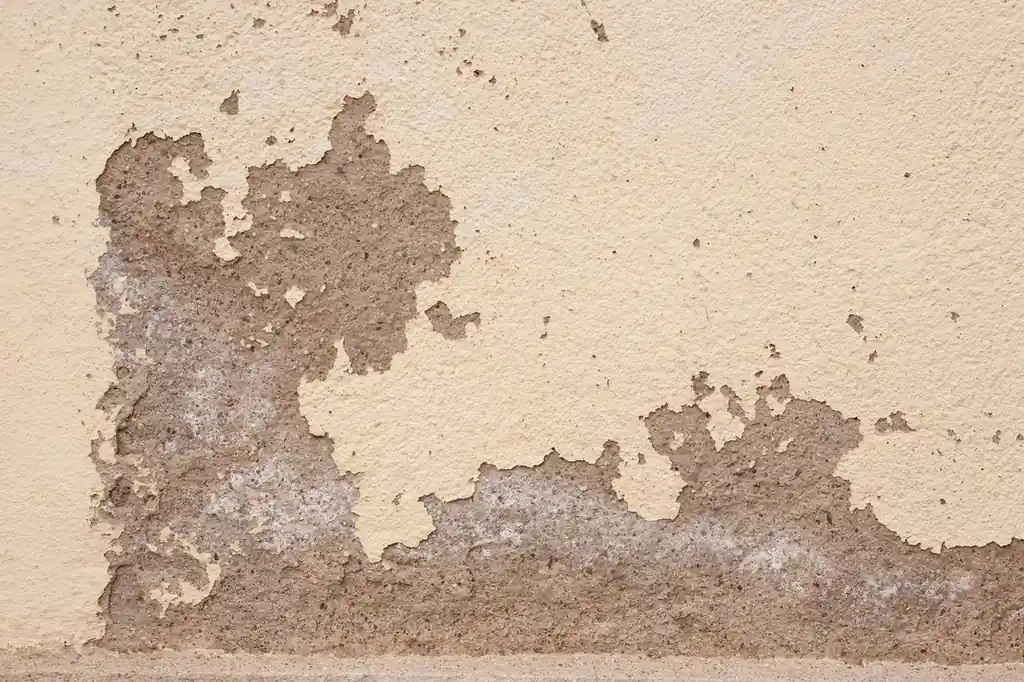
We inspect the water path, remove standing water, assess affected materials, and dry areas that can be safely restored. The work may include selective removal of wet drywall, insulation, carpet padding, or baseboards when readings and water conditions require it. Plumbing, structural foundation repairs, and new exterior drainage systems are separate trade work, but we identify those needs and explain how they connect to your restoration.
We help homeowners and tenants address seepage, pipe leaks, and wet lower-level rooms. We check affected finishes and explain what needs drying before you close a wall or replace flooring.
We work with owners and property managers to restore wet foundation-adjacent spaces while keeping access and contents organized. We document affected areas and coordinate the drying sequence around building use.
Foundation water damage repair kuna ID is a restoration service that identifies water intrusion, removes affected water, and dries or repairs foundation-adjacent materials after seepage or a plumbing failure. We start by checking visible cracks, wall-floor joints, nearby plumbing, and drainage conditions. A moisture meter and thermal imaging camera help map wet areas beyond what you can see, while an inspection camera can help assess accessible cavities. The findings guide extraction, controlled drying, and repair recommendations so your crew addresses the source instead of covering a stain.
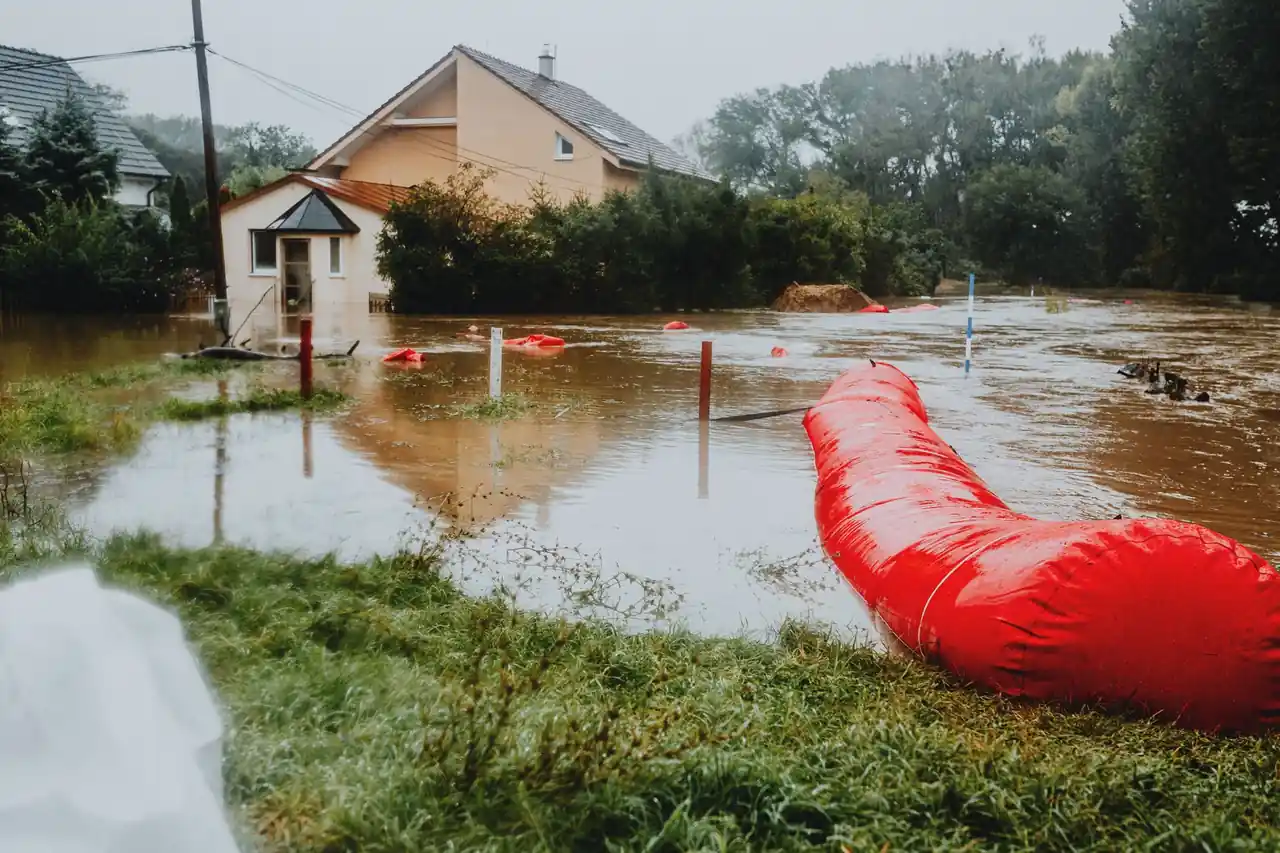
In kuna, water can enter after heavy rain, irrigation oversaturation, a frozen pipe, or a slab leak; a failed sump pump can also leave a basement or crawl space wet. We look for the entry route and check nearby drywall, insulation, baseboards, and flooring before deciding what can be dried and what needs removal. If you are searching for foundation leak repair in kuna Idaho, we inspect both the water path and the materials it affected, then set out practical next steps.
We measure the moisture, remove the water, and repair only after the materials are ready.
Foundation water damage repair in kuna follows a documented sequence: locate the source, remove water, dry affected materials, and complete repairs based on verified conditions. We explain what we find as work moves forward, so you know what is happening in your home and what remains.
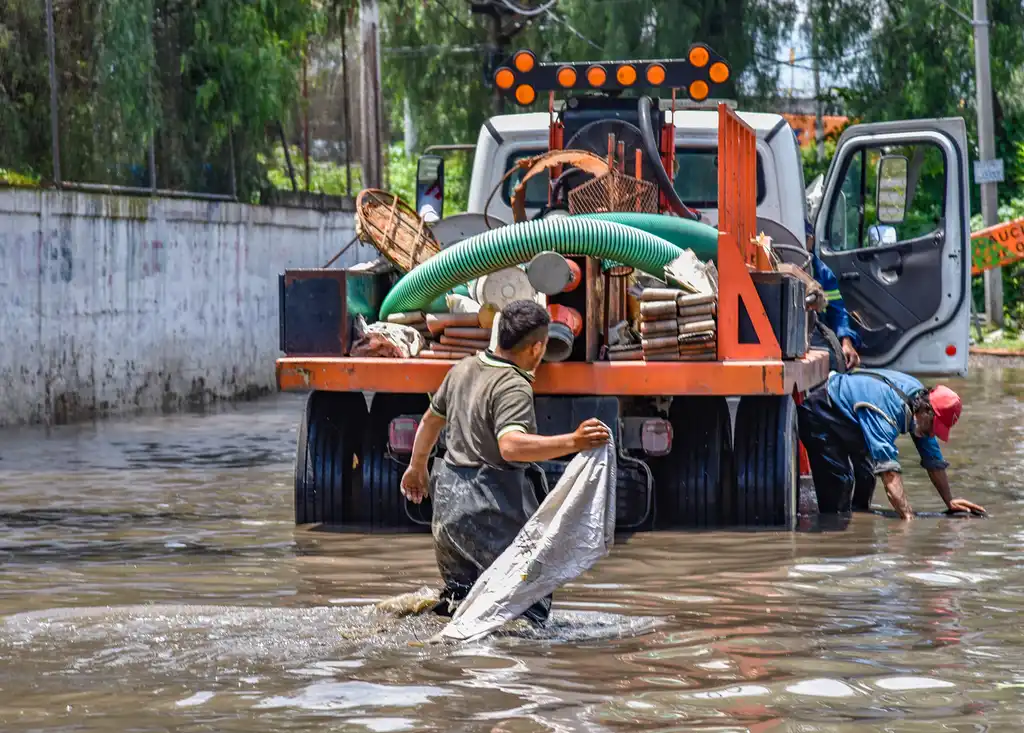
On arrival, we ask when the water appeared and whether a pipe, storm, or drain event is involved. We inspect the foundation perimeter, visible cracks, floor joints, and nearby fixtures, then record moisture readings. A thermal imaging camera can help identify temperature patterns associated with damp areas; it does not replace direct measurement.
We address immediate water entry within the restoration work and coordinate the appropriate plumbing or drainage repair when needed. A water extraction unit removes standing water, while a sump pump may be used where conditions allow. If water is still entering, we prioritize controlling the source before placing drying equipment.
We move or cover belongings, then remove water-damaged porous materials when drying in place is not appropriate. Carpet padding, swollen baseboards, or wet drywall are assessed individually. If sewage or other contamination is present, we isolate the area and use the correct cleanup procedure rather than treating it like clean rainwater.
We position air movers and a dehumidifier to move moisture out of the affected area without directing air into untreated spaces. Readings are checked during the drying cycle, often over several days depending on material depth and room conditions. We adjust equipment when measurements show drying has slowed or a hidden pocket remains.
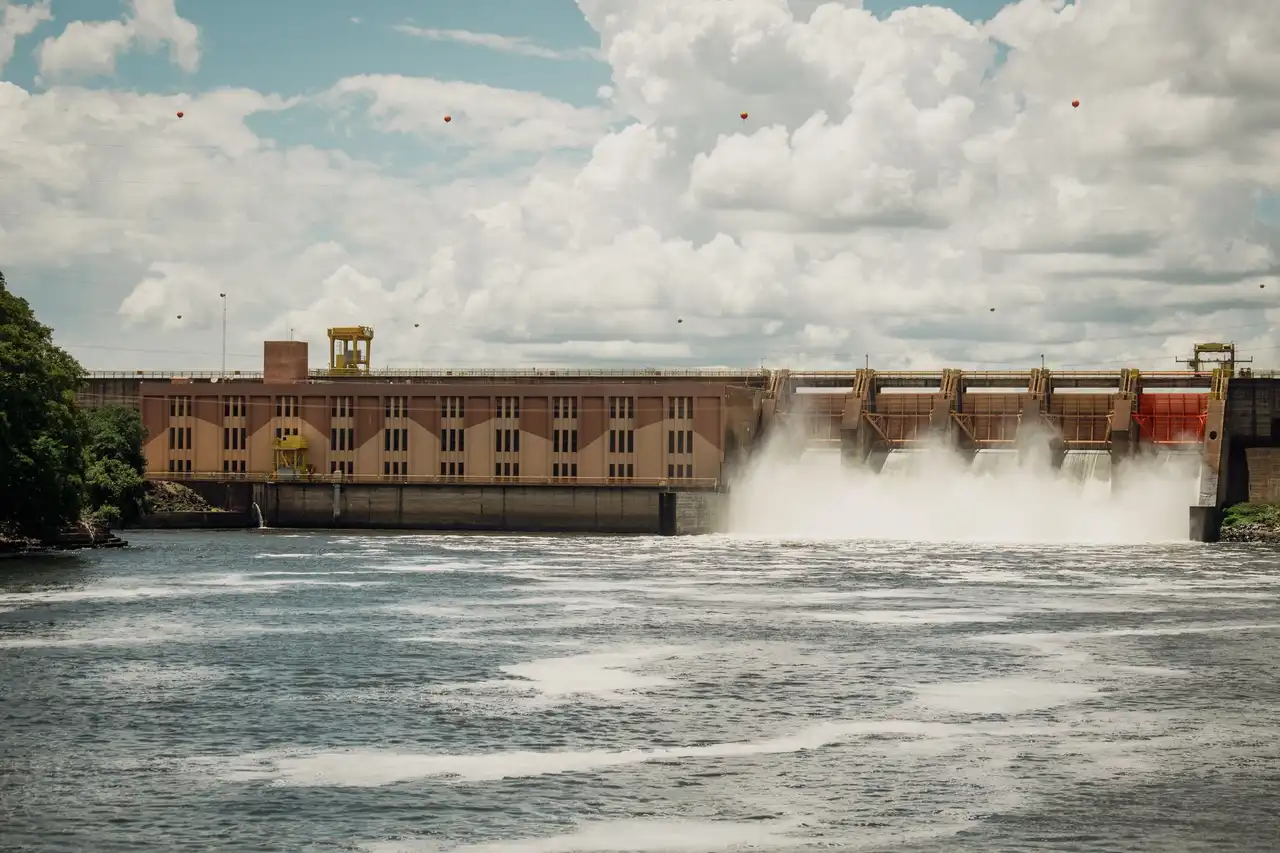
After drying, we complete agreed restoration repairs or coordinate the next foundation, plumbing, or drainage step. We review the affected areas with you, explain readings and work completed, and identify practical prevention measures. The goal is a dry, usable space with the cause addressed, not simply a fresh coat of paint.
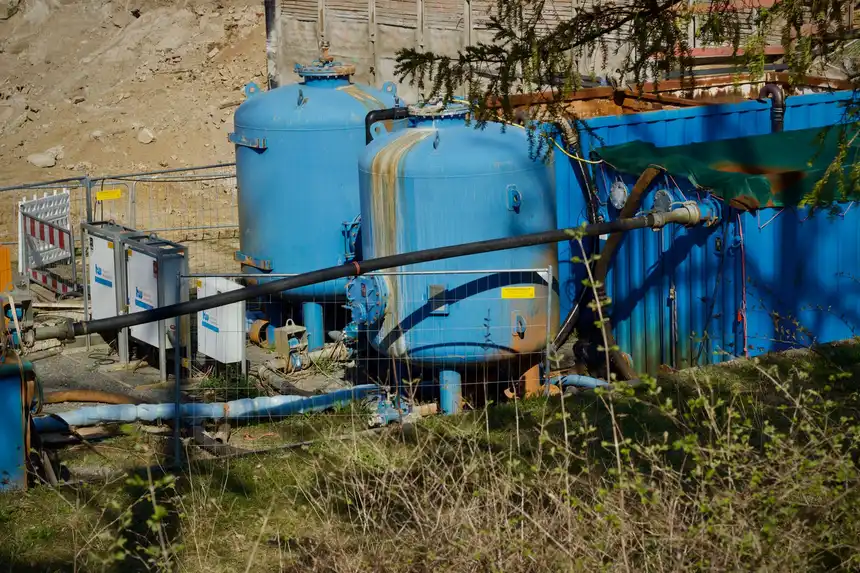
Measures moisture in accessible building materials, giving us repeatable readings to compare during drying and before repairs close a wall or floor.
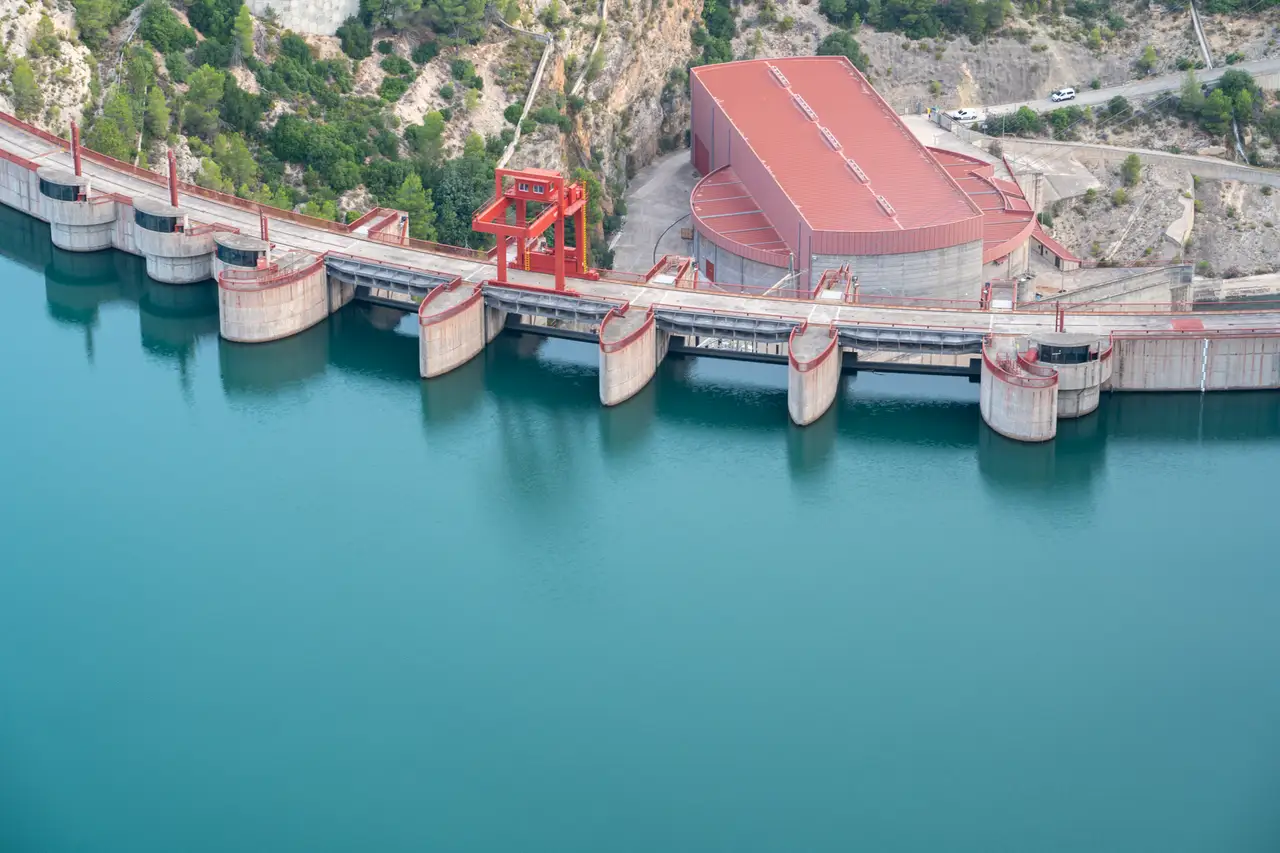
Shows temperature patterns that can guide inspection toward areas needing direct moisture checks; it helps locate clues but does not confirm water by itself.
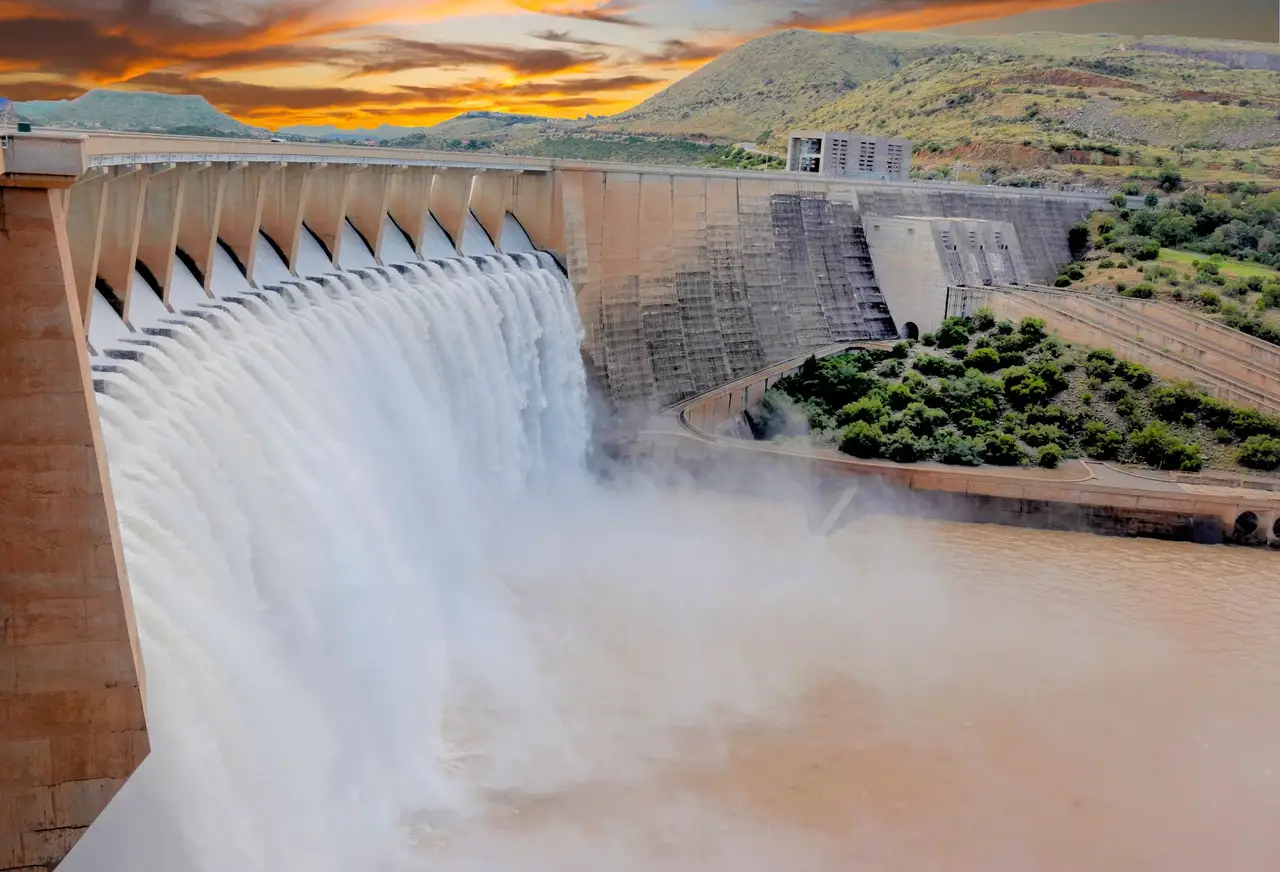
Removes standing water from floors and accessible low areas before drying equipment is set, reducing the amount available to soak into materials.
Directs controlled airflow across wet surfaces and exposed materials, helping moisture evaporate so dehumidification can remove it from the room.
Reduces airborne humidity during structural drying, supporting moisture release from foundation-adjacent materials and limiting prolonged damp conditions.
We assess the source and water conditions, extract standing water, evaluate affected materials, and document drying. The sequence keeps cleanup decisions tied to the water category and the material's condition rather than applying the same treatment to every foundation leak.
We take baseline readings at affected areas and repeat them during drying. Comparing measurements helps identify slow-drying pockets and provides a practical basis for equipment changes or completion, while visual checks confirm the materials are ready for repair.
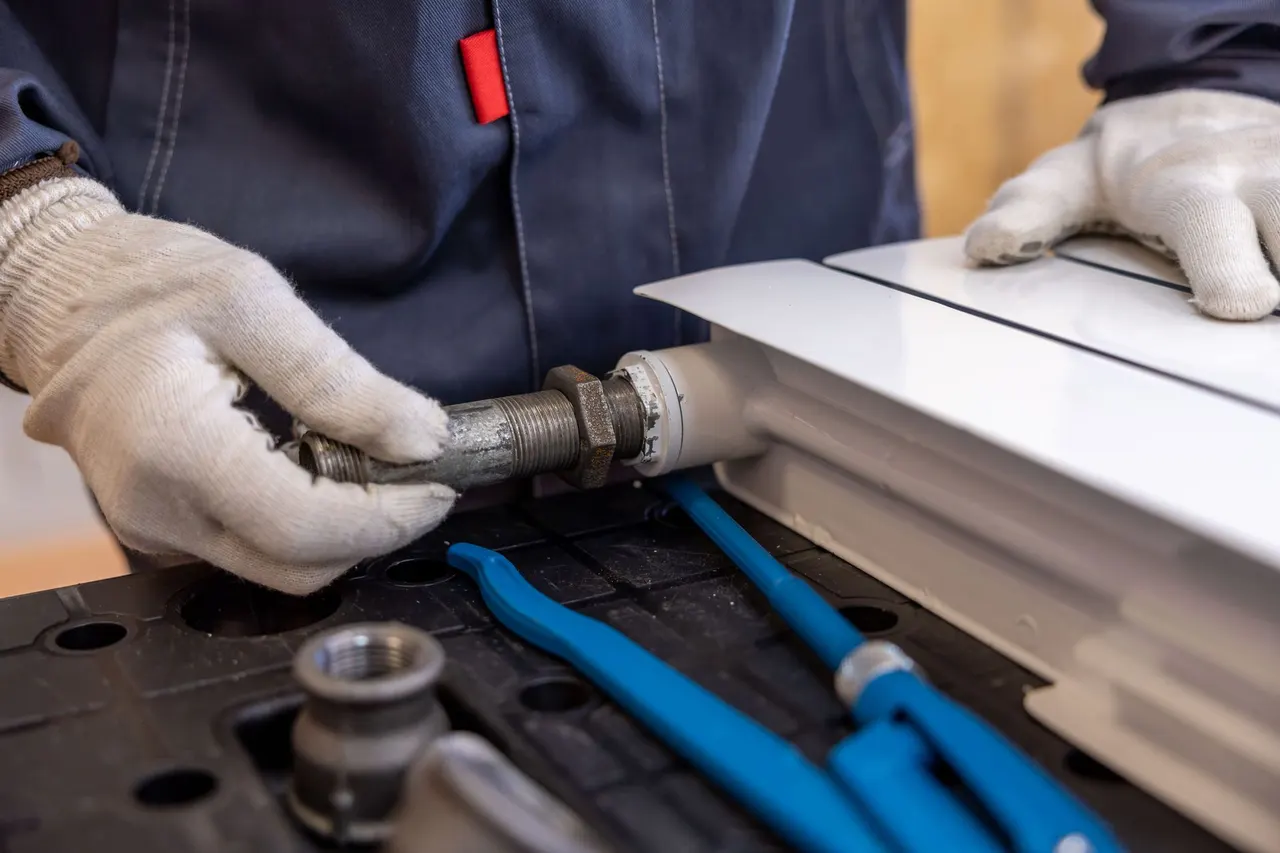
When porous materials are saturated or contaminated, we isolate the work area and remove only the affected materials needed for safe restoration. This limits unnecessary demolition while allowing access to wet cavities, insulation, and lower framing.
Once the pipe is shut off, we extract water and inspect lower walls, flooring, and nearby framing. We record moisture readings, remove materials that cannot be dried safely, and position equipment to dry the remaining assembly. You get a documented drying plan and a clearer separation between the plumbing repair and restoration work needed inside the basement.
We check the affected wall and floor, remove pooled water, and map damp materials. Our team notes whether the water pattern points to runoff or another source, then dries the interior and identifies any gutter or drainage correction to coordinate. The room is dried based on measured conditions, and you have practical information for reducing repeat wetting around that section.
We remove accessible water, protect stored materials, and inspect the lower framing and insulation. We monitor moisture as the crawl space dries and coordinate pump repair so the restoration sequence follows source control. The crawl space is cleared and dried, with affected materials and the pump issue addressed as separate but connected tasks.
After the plumbing leak is controlled, we inspect the hardwood and adjacent wall materials, record moisture readings, and determine whether targeted drying can preserve the floor. We monitor changes and document areas needing replacement. You know which flooring can remain, which needs repair, and whether moisture has reached nearby foundation-adjacent materials.
Foundation water damage in kuna often follows a clear pattern: storm runoff or irrigation keeps soil wet near a wall, a plumbing leak releases water under a slab, or a pump failure lets a crawl space collect water. We inspect the property conditions and the interior moisture path before selecting equipment. A sump pump, french drain pipe, or grading change may be relevant to the source, but those fixes depend on what the inspection shows. During cold-weather periods, frozen pipes can create sudden interior losses; in spring, recurring runoff deserves attention before repeated seepage damages finishes. We use foundation waterproofing repair kuna Idaho planning to connect interior restoration with the observed entry route, rather than treating every damp wall as the same problem. Our work follows applicable restoration practices and respects local building requirements when repairs involve construction. Properties in Ada County range from finished basements to crawl spaces, so access and drying time vary. We explain the conditions we find and the practical repair sequence for your home or building.
A homeowner found water at the lower wall after a storm, with damp baseboards and carpet near the foundation. The room felt musty, but the visible stain did not show how far moisture had traveled beneath the carpet or into the wall cavity.
We extracted the pooled water, removed saturated padding, and monitored the wall and floor readings through drying. The affected area reached dry readings over several days, and the homeowner had a clear record of the materials removed and the remaining finish repairs.
Keep downspouts clear and direct roof runoff away from the foundation. Check the same wall after heavy rain and call for an inspection if dampness returns or a musty odor persists.
A failed sump pump left standing water in a crawl space, with wet insulation and a damp odor noticeable inside the home. The owner did not know whether the floor framing or only the insulation had been affected.
We removed accessible water, assessed framing and insulation, and dried the crawl space with monitored airflow and dehumidification. Follow-up readings showed the framing moisture declining, while the pump repair was coordinated as a separate source-control step.
Check the sump system during seasonal changes and keep its discharge path clear. After a pump alarm or power interruption, inspect the crawl space promptly for standing water and wet insulation.
A slow plumbing leak left hardwood edges swollen and a lower wall damp in a home near Indian Creek. The wet area appeared small, but water had moved beneath part of the floor and toward the foundation.
After the pipe source was controlled, we mapped moisture at the floor edge and wall, extracted accessible water, and monitored drying. The readings clarified which sections recovered and which flooring needed repair, preventing a premature finish replacement.
Watch for new floor cupping, warm spots, or unexplained water use. If these signs appear, arrange plumbing diagnosis and restoration inspection before moisture spreads beneath more flooring.
A damp foundation can signal more than a surface leak: water may be traveling beneath flooring, into wall cavities, or through a crawl space. We trace the route, remove water, and dry the affected materials. For affordable foundation leak repair kuna ID planning, early inspection helps separate manageable restoration from damage that has spread.
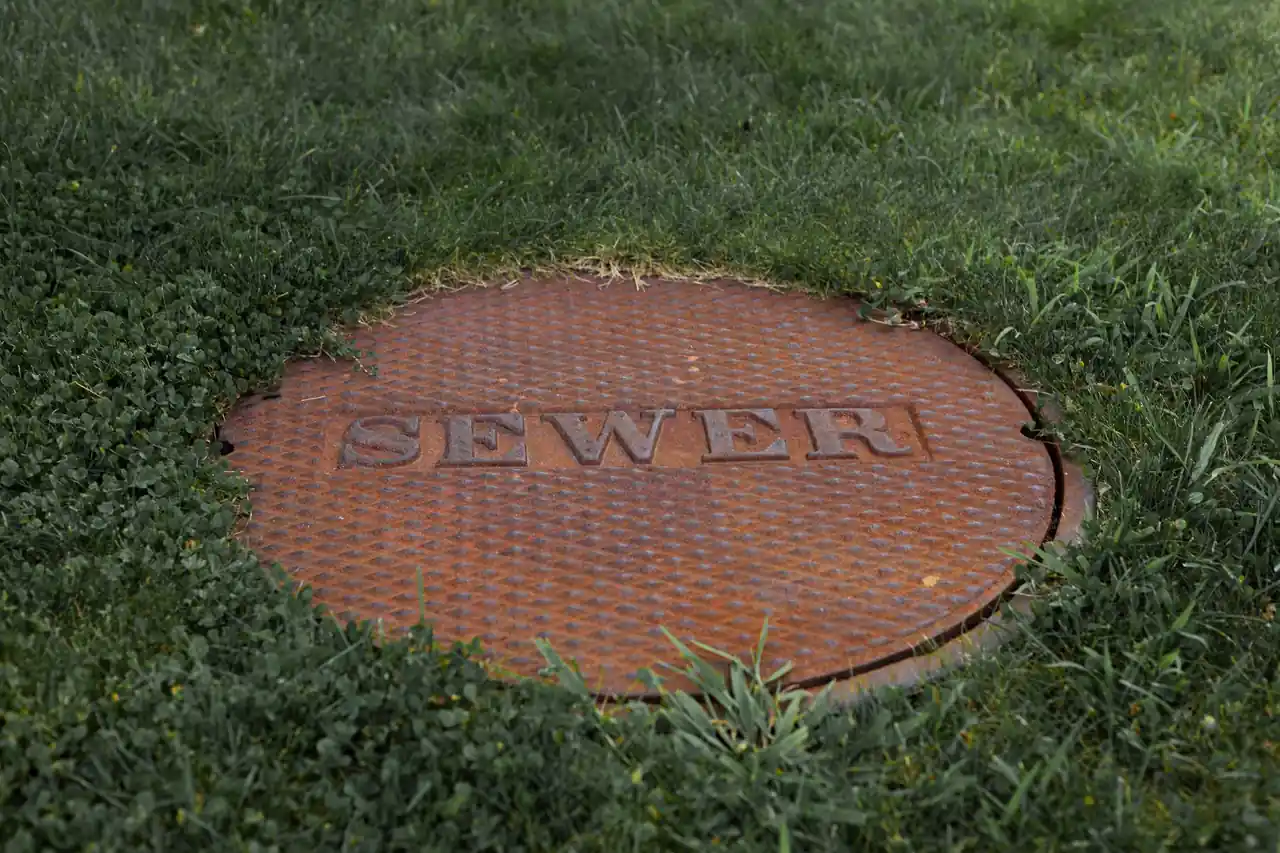
We inspect the joint and nearby plumbing, map the moisture, and remove standing water. Our team dries or removes affected materials according to their condition, then explains whether grading, drainage, or a foundation trade should address the entry route. Repeated seepage can soak baseboards, drywall, and flooring while leaving hidden moisture behind the finished surface. Persistent dampness also creates conditions for musty odors and mold growth.
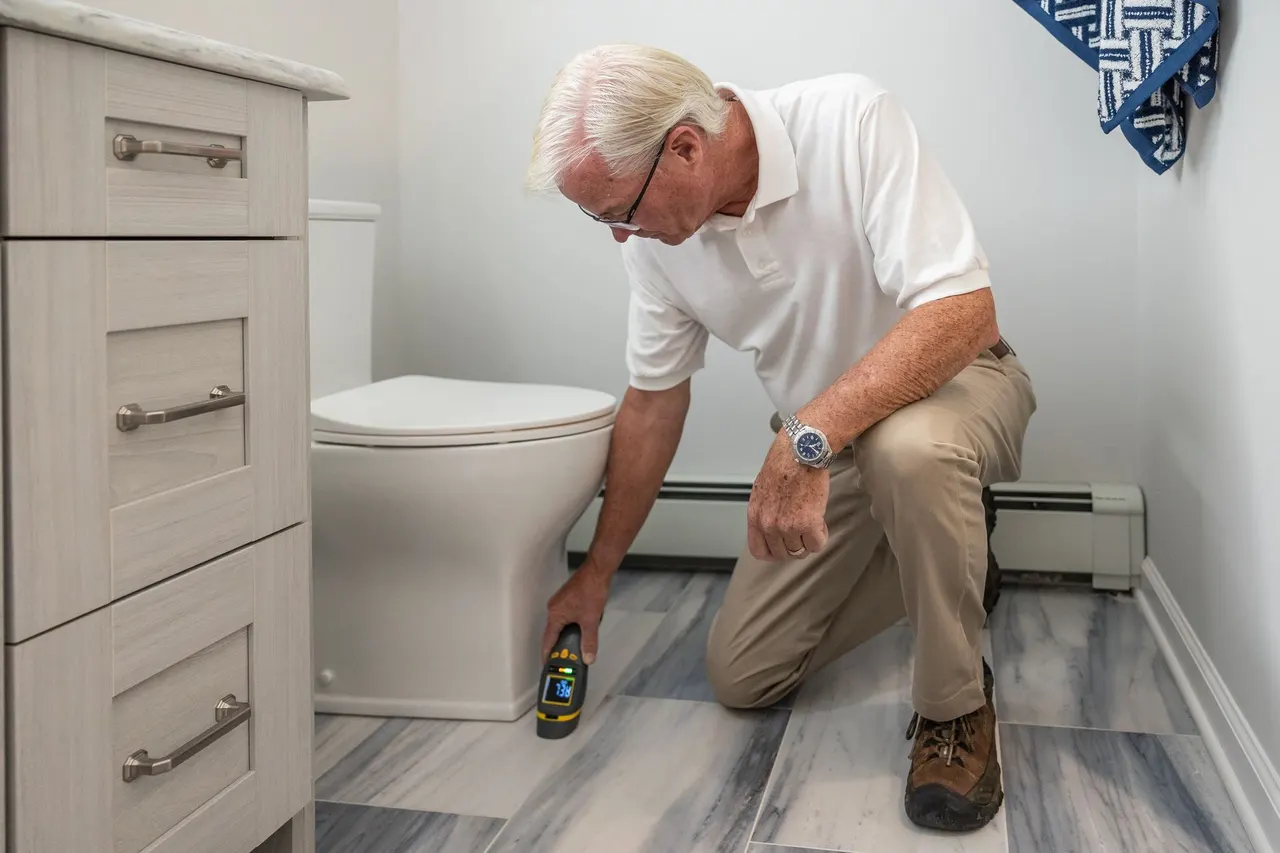
We coordinate restoration after the pipe source is controlled, extract accessible water, and measure moisture in nearby materials. We use the readings to focus drying and document which areas have recovered before repairs cover them. Water beneath a slab can spread beyond the visible wet area and damage flooring, carpet padding, or lower wall materials. Delayed drying may increase the amount of material that needs removal.
We remove accessible water, check framing and insulation, and use controlled airflow and dehumidification. We also inspect for sump pump failure or drainage problems so the recommended next step addresses the recurring source rather than only the smell. Standing water and wet insulation can keep joists and subfloor materials damp, allowing odor to move into living areas and making floor finishes harder to protect.
We extract the water, move contents out of the work area, and assess the wall and floor for moisture. We document damaged items and coordinate sump pump repair when needed, then dry the space and restore salvageable materials. Even a few inches of water can damage cartons, furniture, and porous contents while wetting the lower foundation wall. Electrical equipment and contaminated items require careful handling.
We map damp areas behind baseboards and at wall-floor joints instead of relying on appearance alone. Readings from a moisture meter guide where we open or dry materials, helping prevent a small leak from leaving wet insulation or concealed mold growth behind.
Prompt water extraction and directed airflow help protect sound flooring, framing, and contents. For foundation water damage kuna ID situations, we separate salvageable materials from those that have absorbed contaminated water or remain wet too long, then document the reason for each step.
A dehumidifier and properly placed air mover pull moisture from the room and affected assemblies. We check humidity and material readings during drying rather than stopping when the concrete looks dry, reducing conditions that support musty odors and mold growth.
We connect the interior restoration plan to the source: surface drainage, plumbing, cracks, or a sump system. That makes foundation waterproofing repair kuna Idaho more useful than a cosmetic patch alone and helps you understand which follow-up trade or drainage improvement fits the finding.
Clear records you can keep and share.
Readings and affected-material notes.
Equipment placement and monitoring sequence.
Completed work and practical next steps.
Water restoration removes moisture from the interior and repairs damaged materials. The pipe, drainage, or structural source needs its own correction when the inspection identifies one.
Extraction removes standing water from floors and low areas. It does not prove that hidden materials have dried.
Drying uses airflow and dehumidification to remove retained moisture. Repeat readings show whether materials are recovering.
A plumber or drainage specialist repairs the entry route when needed. Interior repairs should follow source control and drying.
Outside these neighborhoods? Call and ask about service for your address. (833) 546-4116
A water damage restoration team handles extraction, moisture mapping, structural drying, and affected interior repairs; a foundation or plumbing contractor addresses structural movement or the underlying pipe defect. We inspect the damage in kuna, identify the likely water route, and explain which work belongs to restoration and which requires another trade. That separation helps you avoid paying for a cosmetic repair before the source is controlled.
In 2026, interior water extraction and drying often cost about $500-$3,500, while repairs involving extensive demolition or drainage work can exceed $5,000. Final cost depends on water volume, contamination, affected square footage, material removal, and whether a separate plumbing or exterior drainage repair is needed. We inspect first and give upfront pricing for the restoration work, with the cause and repair scope explained.
Water usually enters through a crack, wall-floor joint, plumbing leak, or drainage failure, and an inspection helps distinguish them. Heavy irrigation, storm runoff, a slab leak, or a failed sump pump can leave water at the foundation. We check moisture patterns and nearby systems, then identify whether extraction and drying alone are enough or a plumbing or drainage repair must happen first.
Coverage depends on your policy and the cause; sudden accidental pipe leaks are treated differently from long-term seepage or maintenance issues. We document affected materials, moisture conditions, and restoration work so you have useful records for your insurer. Review the policy with your carrier before assuming coverage, especially if water entered gradually or the loss involves groundwater, flooding, or a failed drainage system.
Stop water from reaching more of your foundation and lower-level materials. Our team will inspect the affected area, explain the restoration steps, and provide upfront pricing for the work. Call (833) 546-4116 to arrange an inspection.
Call (833) 546-4116 when water reaches your home or business in Kuna, Idaho. Tell us whether the source is still active, which rooms are affected, and when the damage began; that helps direct the next steps. Calls are accepted at any hour for emergency inquiries, and service coverage includes Kuna, ID, with ZIP codes 83634 and 83642.