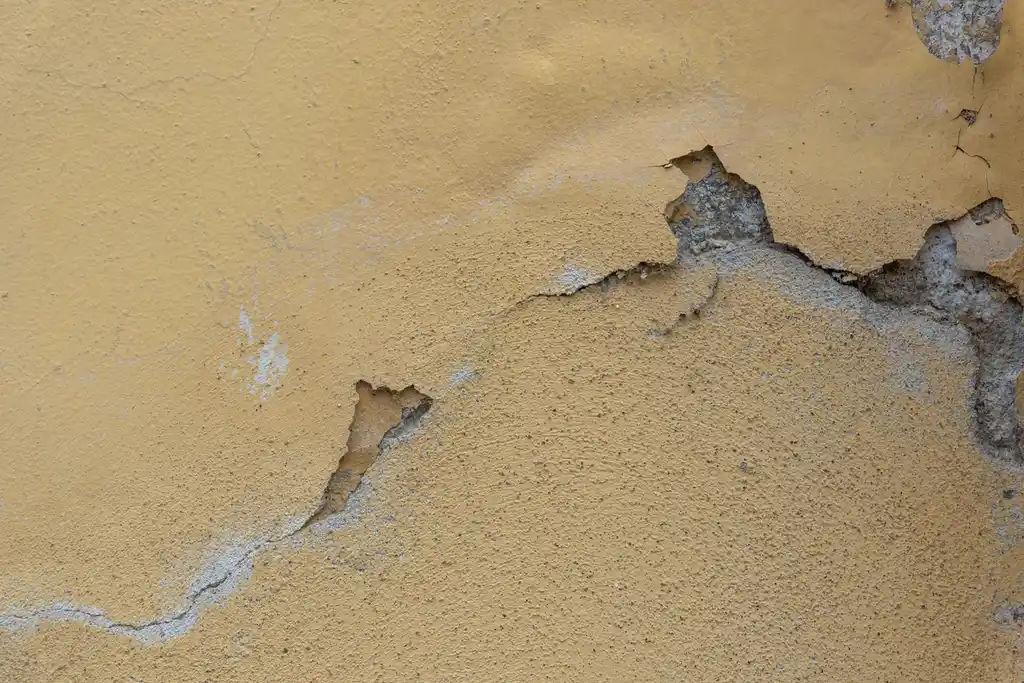
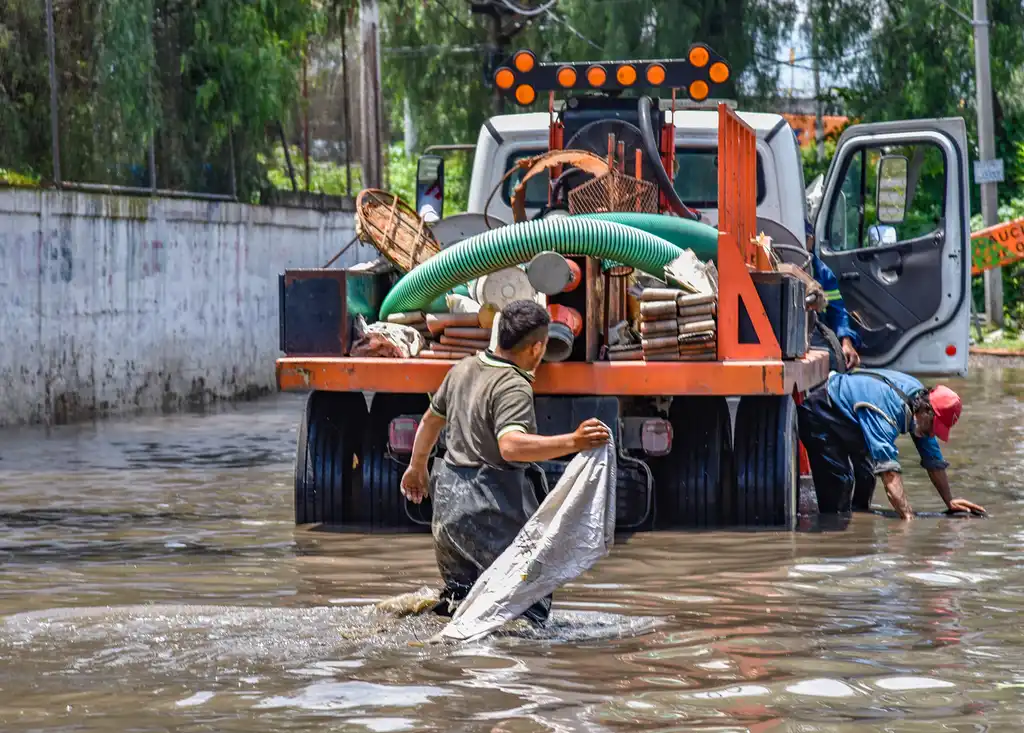
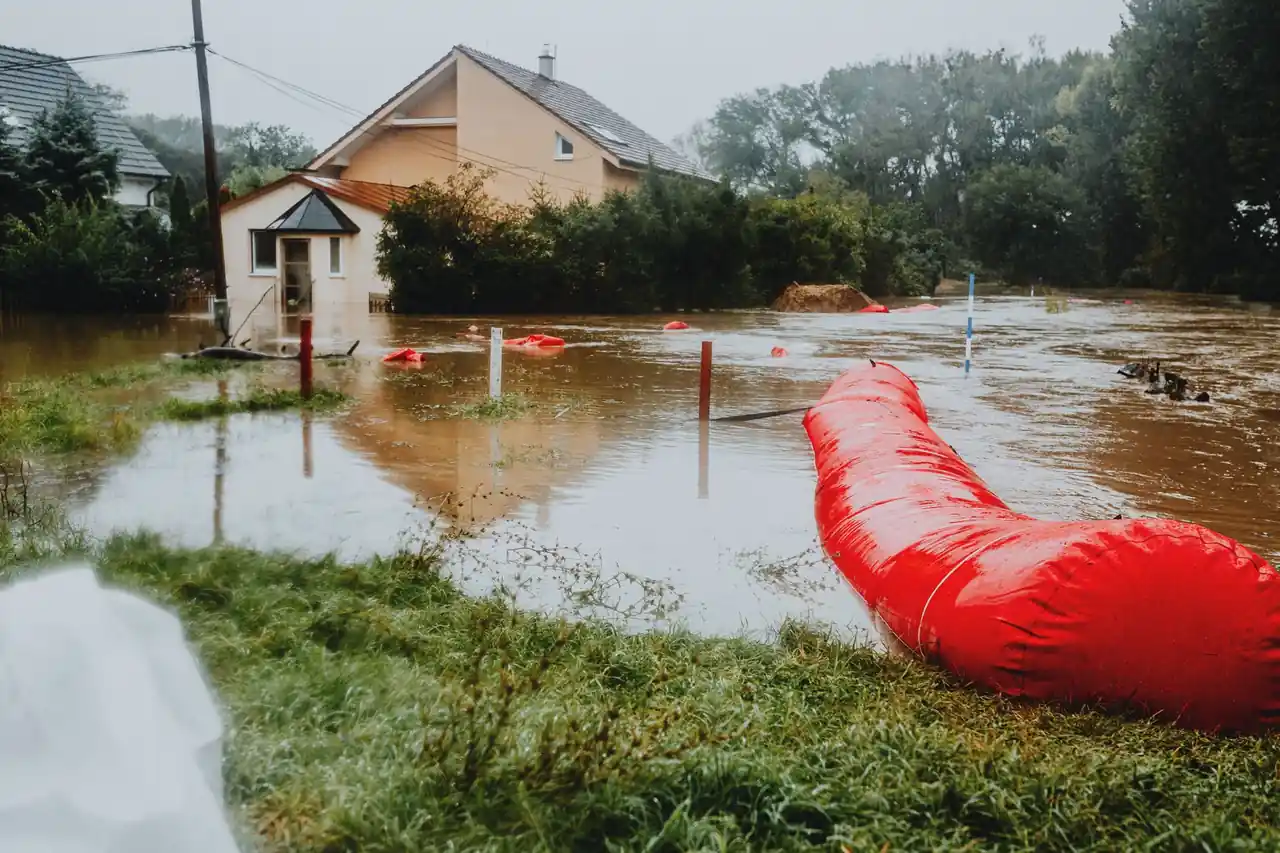
Moisture readings
Recorded checks at accessible framing and subfloor.
Crawl space water removal kuna ID helps homeowners and property managers dealing with pooled water, damp insulation, or a failed sump pump. We extract standing water, check the source, and set up drying based on measured moisture rather than guesswork. Our crawl space water extraction kuna service is for urgent leaks, storm runoff, and lingering dampness that threatens framing, stored materials, and indoor air.
Our service covers assessment of accessible water, extraction, moisture checks, and an initial drying plan for affected crawl-space materials. We identify visible concerns such as soaked insulation or a shifted vapor barrier and discuss the findings with you. Plumbing, foundation, drainage, mold-remediation, or material-replacement work depends on the damage and may be arranged as a related repair; we explain those needs rather than treating pumping as a complete fix.
We remove crawl-space water affecting homes, rentals, and their framing before moisture spreads into living areas. You see the affected locations, measured readings, and practical drying steps for your property.
We coordinate crawl-space water removal with owners and property managers who need clear site findings. Our team tracks affected areas and drying progress while keeping access and building operations in view.
Crawl space water removal kuna ID is an emergency water mitigation service that removes standing water and begins drying after leaks, flooding, or drainage failure. We inspect the access area, identify visible water sources, and use a water extraction unit or sump pump to remove pooled water. A moisture meter helps check joists and subfloor; a hygrometer tracks air conditions. We also document wet insulation and vapor barrier damage so you can see what needs drying, cleaning, or replacement. The goal is to stop ongoing water exposure and bring the space toward dry, stable conditions.
Crawl spaces in kuna can take on water after winter freeze-thaw cycles, spring runoff, plumbing failures, or heavy rain that overwhelms drainage. A burst pipe or sump pump failure can leave water beneath the home before you notice a musty odor or soft flooring indoors. Our kuna crawl space water removal starts with the water source and affected materials, not just the visible puddle. If you are searching for crawl space water extraction in kuna Idaho, we locate accessible wet areas, remove water, and plan drying around the space's airflow and construction.
Remove pooled water, measure what remains, and dry the materials that can be saved.
Crawl space water removal in kuna follows a practical sequence: assess, extract, dry, and verify. We explain what we find as we work, keep you informed about access and equipment, and separate immediate water control from any repair or material replacement that follows.
We inspect the crawl space entrance, standing water, visible plumbing, foundation edges, and insulation. A moisture meter checks accessible wood, while a hygrometer records the air condition. This first assessment often takes 30 to 60 minutes, depending on access and the size of the affected area. You get a clear explanation of the water source we can identify and the areas requiring attention.
If water is still entering, we trace the accessible source and take steps to limit further spread. That may mean identifying a burst pipe, a failed sump pump, or seepage at a foundation joint; plumbing or drainage repairs are handled according to the problem. You will know whether extraction can proceed safely and what must be controlled first.
We use a water extraction unit or sump pump suited to the volume and access conditions, removing pooled water and checking low spots as levels fall. A modest residential pump-out can take one to three hours; deep water, debris, or restricted access adds time. We protect the route through your home and keep removed water from being tracked indoors.
After extraction, we position air movers and a dehumidifier to circulate and remove moisture without directing airflow blindly into wet materials. Drying commonly takes two to five days, with duration affected by wood thickness, temperature, ventilation, and water category. We monitor readings and adjust equipment placement as the crawl space responds.
We recheck representative wood and air readings, inspect accessible insulation and the vapor barrier, and review any remaining damp or damaged materials with you. We explain whether drying has reached the agreed target and what repairs or mold treatment remain. You receive a practical account of work completed, equipment used, and the next maintenance steps.
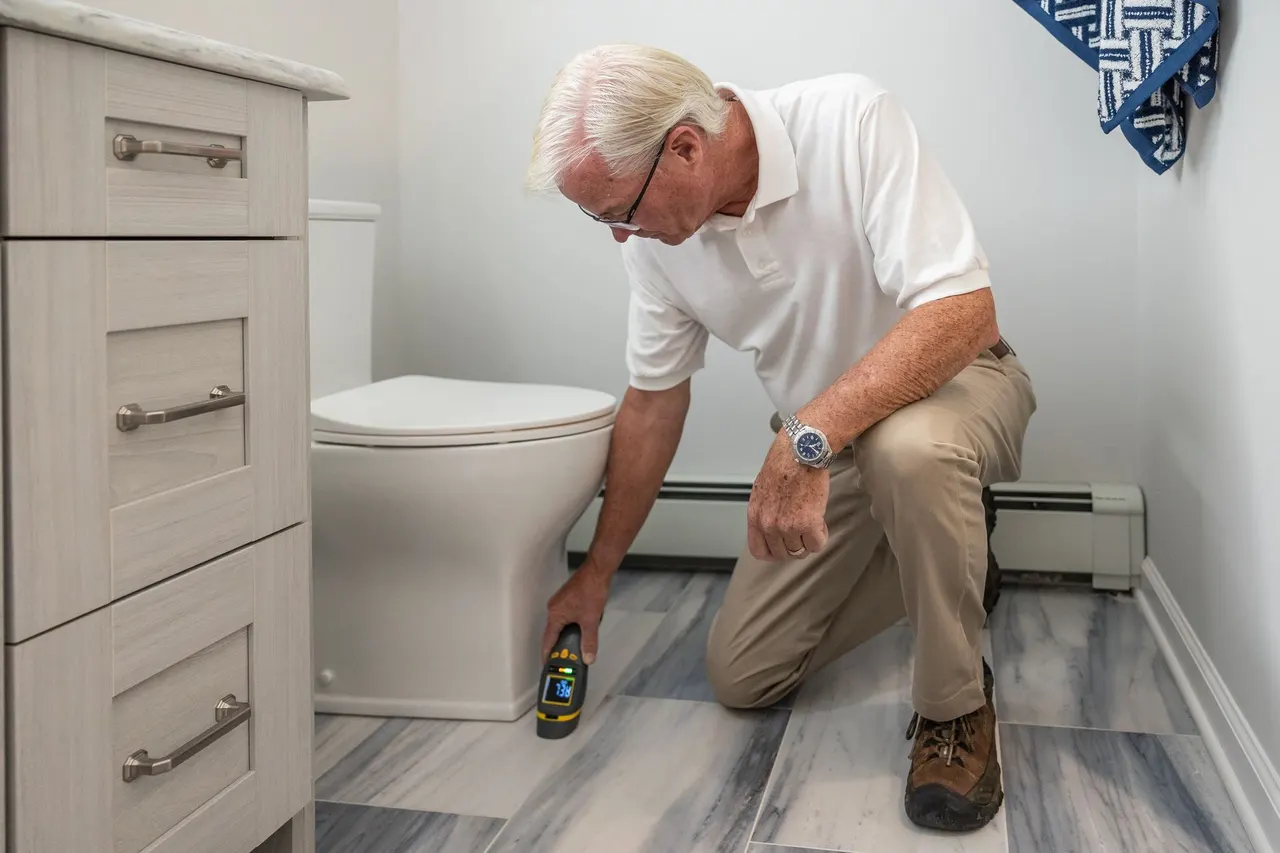
Measures moisture in accessible framing and subfloor so we can target drying and compare readings during follow-up checks.
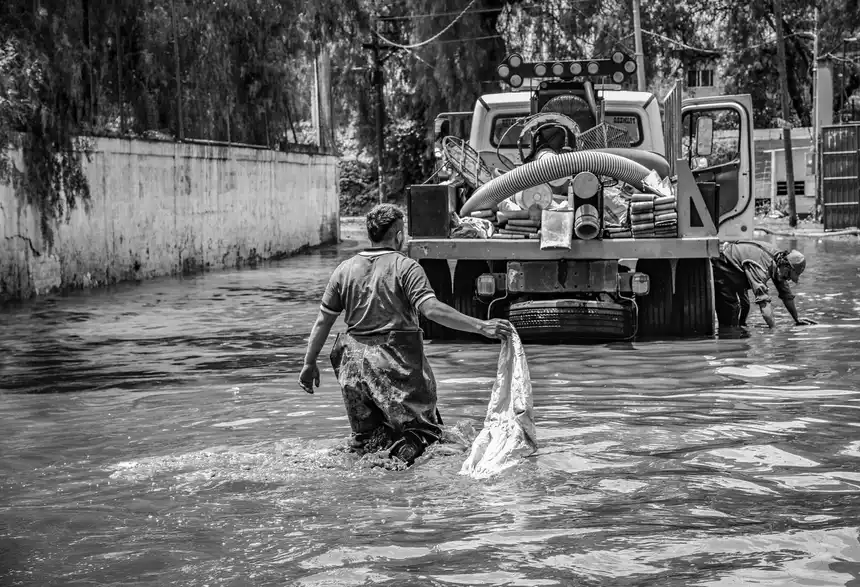
Tracks crawl-space air humidity, helping us evaluate whether dehumidification is reducing moisture in the space.
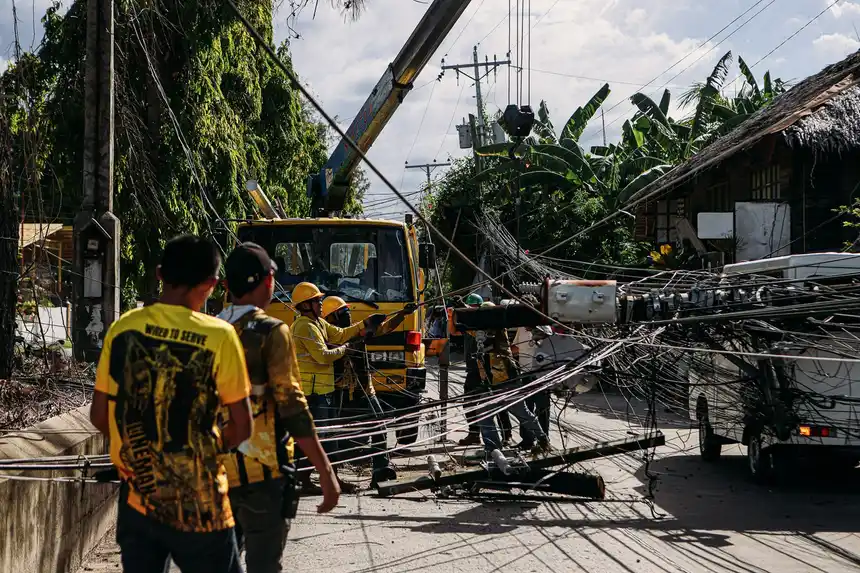
Removes standing water from accessible low areas when the volume or layout calls for controlled extraction.
Pumps larger pools or water collected in a low point, with equipment choice based on access and water conditions.
Moves air across affected surfaces to support evaporation when positioned to suit clearance and material condition.
Pulls moisture from crawl-space air during structural drying and helps limit moisture settling back onto materials.
We apply water-restoration principles by identifying the water source, affected area, water category, and materials involved. Those findings influence extraction, cleaning, and drying decisions. We do not treat sewage or contaminated water like a clean plumbing leak, and we explain when additional controls or material removal are needed.
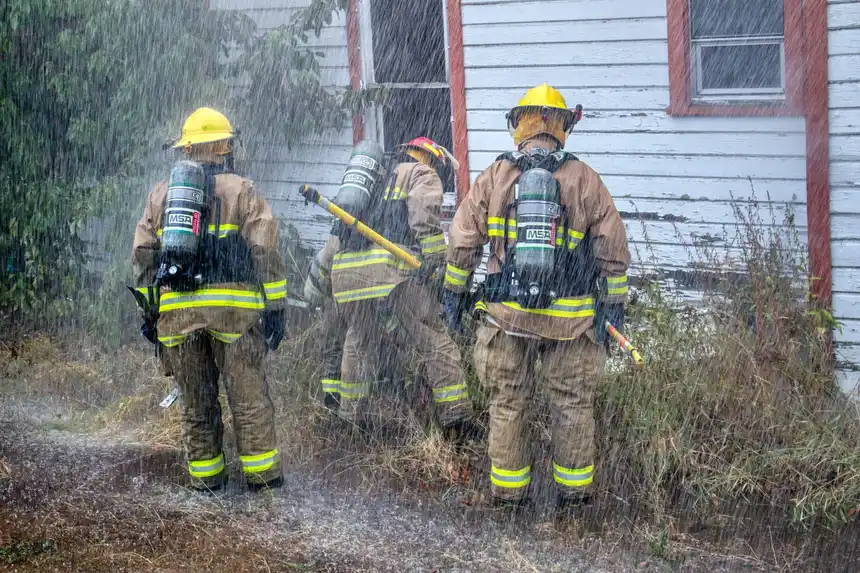
We take readings at representative points in accessible framing and subfloor, then note the locations for comparison. Mapping helps us position equipment and see whether moisture is declining. If readings remain high in one area, we investigate airflow, trapped insulation, or continued water entry before calling the space dry.
We help control the water source, inspect accessible piping and framing, and extract pooled water. Then we check insulation and subfloor moisture and set a drying plan. If the pipe remains active, stopping the leak comes before completing the pump-out. Water is removed from the affected area, and you know which materials need drying or repair instead of discovering damage later through floor changes or odor.
We inspect the water line, foundation edges, and existing drainage, then extract water from the crawl space. We document the wet areas and explain whether exterior drainage or a french drain pipe needs attention to reduce recurring seepage. You get a dry-out plan for the current water and a clearer understanding of how runoff reached the space, supporting practical follow-up before the next storm.
We check the sump pit and accessible equipment, remove pooled water, and assess how far dampness has spread. We inspect the sump pump liner and nearby framing, then discuss repair or replacement needs alongside the drying setup. The immediate water is removed, wet materials are identified, and you can address the equipment failure rather than relying on another pump cycle without checking its condition.
We inspect the crawl space for pooled water, plumbing seepage, foundation entry, and damp materials. Moisture readings help us identify affected framing and subfloor; we then extract water if present and explain drying or material-removal needs to the property manager. You receive specific findings to guide maintenance and tenant communication, with the water source and affected materials separated from symptoms inside the living area.
Crawl space water extraction kuna is shaped by weather, drainage, and the layout beneath each home. As November brings colder nights, a frozen pipe can release water into an area where access is tight and airflow is limited. In spring, runoff and saturated ground can press water toward foundation edges. We ask whether the water followed a storm, plumbing leak, or sump failure, then inspect the accessible route and affected materials. In Ada County, properties vary in age and foundation design, so we do not assume every crawl space has the same vapor barrier, sump setup, or clearance. For crawl space water removal in Prairie Creek ID, we check the specific entry point, measure damp framing, and decide whether extraction alone is enough or drying equipment is needed. We also consider indoor signs such as soft flooring, lifted baseboards, or ceiling water stains that may point to a leak path. The applicable work follows relevant restoration standards and local requirements; structural, plumbing, and drainage repairs are handled according to the specific issue. Call (833) 546-4116 with the neighborhood, water depth, and access details so we can discuss the right next step.
After a storm, water stood around the sump area and extended into the lowest part of the crawl space. The pump had stopped cycling, insulation was damp, and the homeowner noticed a musty smell near the access hatch. The water source was no longer active, but the standing water and affected materials had not been checked.
We removed pooled water, inspected the sump area, and checked accessible framing and insulation. The extraction took about two hours, followed by three days of monitored drying. Moisture readings declined at the checked joists, and the homeowner received a clear explanation of the pump issue and the damp materials that required follow-up.
Test the sump pump periodically by following its operating instructions, and keep the discharge route clear. After heavy rain, check the crawl-space hatch area for odor or new dampness and call if water returns.
A pipe leak beneath a kuna home ran long enough to soak insulation and leave water in a low bay. The visible flooring felt cool, but the homeowner could not tell whether the subfloor was wet or if the water had spread beyond the plumbing line.
Once the leak was controlled, we extracted the pooled water and mapped moisture around the affected joists and subfloor. The initial extraction took about three hours; drying continued for four days as readings improved. Wet insulation was identified separately from wood that could be dried and monitored.
Keep access to shutoff valves clear and inspect exposed plumbing before freezing weather. If flooring changes, a musty odor, or new dampness appears, arrange an inspection before assuming the old leak has fully dried.
Following repeated rain, water appeared along one foundation edge and dampened the vapor barrier. The homeowner had no active plumbing leak, but the water line and wet soil suggested runoff was entering near the perimeter and spreading beneath the house.
We extracted the standing water, checked accessible framing, and documented the wet side of the crawl space. Drying took three days with equipment adjusted to the available clearance. The inspection also identified a drainage path for follow-up, so the water removal and the likely entry issue were addressed as separate tasks.
Keep gutters and downspouts clear and direct roof runoff away from the foundation. After significant rain, check accessible edges for water or shifted barrier material; recurring seepage deserves drainage assessment.
Wet crawl spaces can create damage that is easy to miss from inside the home. Our crawl space water removal kuna ID work targets water beneath the structure, checks the materials it reached, and helps you understand the source before another leak or runoff event repeats the problem.
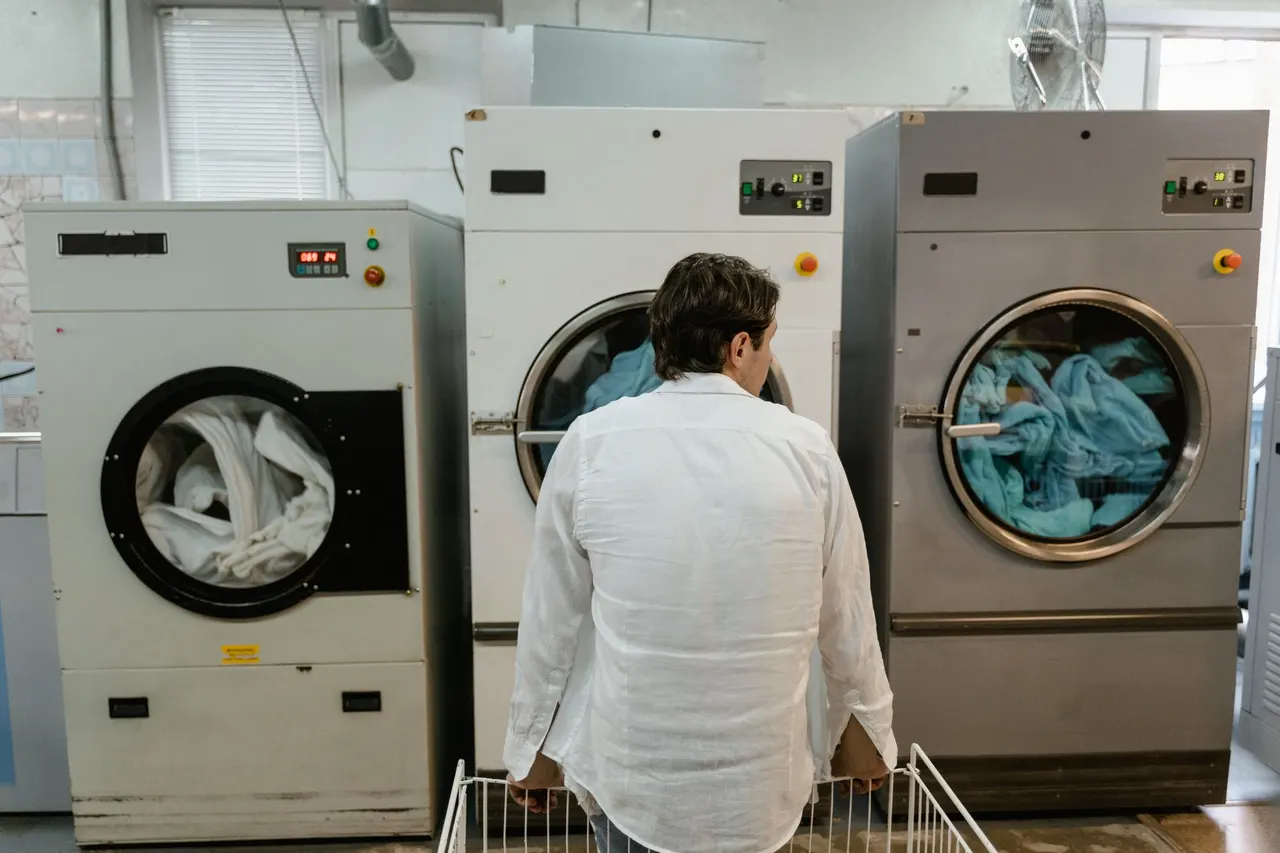
We inspect the sump area and nearby drainage, then pump or extract accessible water. We check framing and insulation for moisture and explain whether the sump system needs repair or a drainage adjustment. If the pump failed during a storm, we also look for water paths that could refill the space. Standing water keeps framing and insulation wet, encourages musty odors, and can spread into low areas before anyone sees damage from inside the house.

We locate the accessible leak path, remove standing water, and measure moisture in affected framing and subfloor. We dry materials that can be retained and identify insulation or other items requiring removal. If the leak involved a burst or frozen pipe, we connect the crawl-space work to the necessary plumbing repair. Water held against insulation and wood can remain hidden after the visible leak stops, leading to swelling, odors, and possible mold growth.
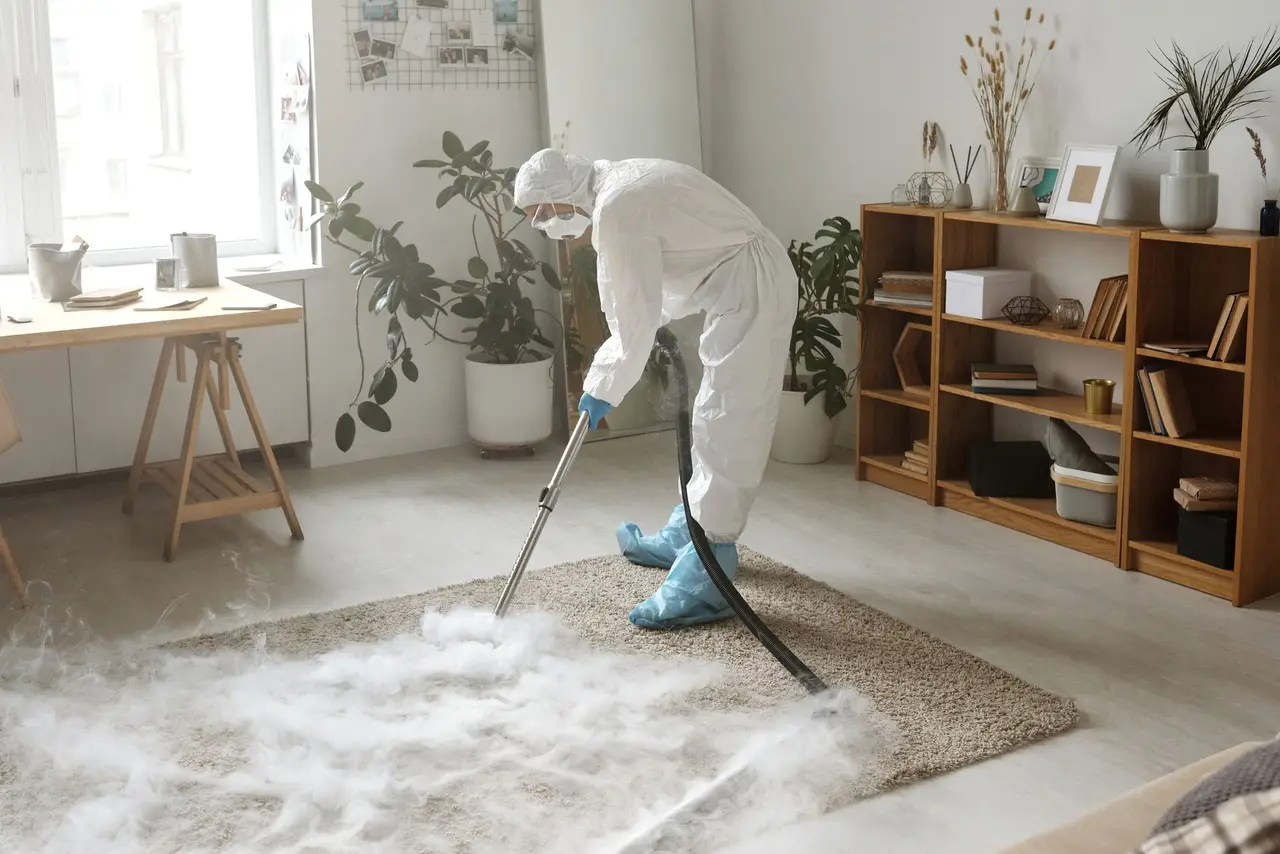
We remove current water and inspect accessible foundation edges and drainage routes. Our team notes where water appears to enter and whether a french drain pipe or exterior drainage repair should be considered. Drying addresses existing moisture; correcting the entry route helps reduce repeat events. Repeated wetting can damage the vapor barrier, carry debris into the crawl space, and keep the ground and lower framing damp after rain has passed.
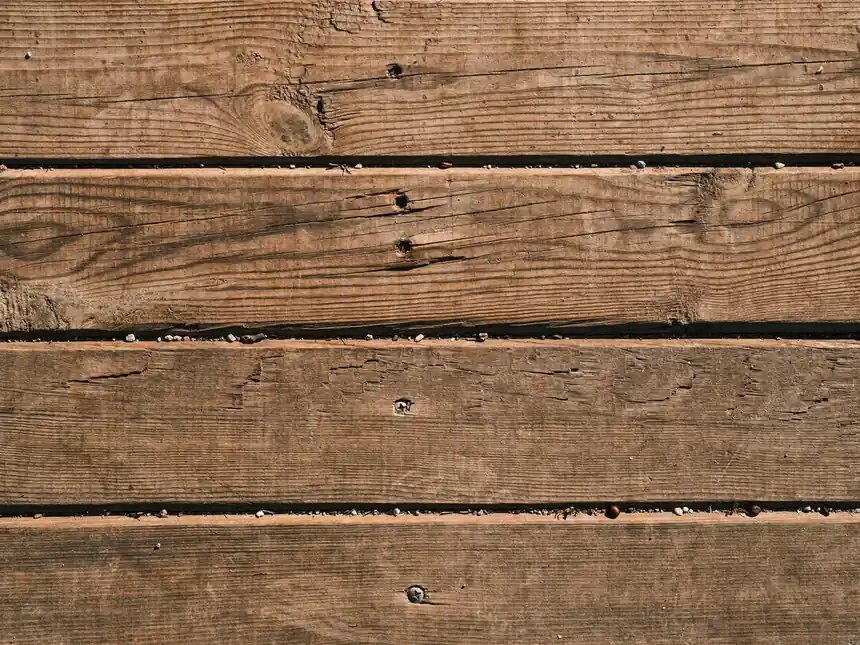
We check for wet insulation, wood, and debris, then remove water and support drying with measured airflow and dehumidification. If inspection shows mold growth, we explain the separate cleaning or remediation needs. That gives you a response based on observed conditions, not just an odor treatment. Odor often signals damp materials or trapped debris, and masking it without removing moisture leaves the cause in place.
We pump or extract pooled water before it spreads farther across the crawl space. In a 1,000-square-foot area with a shallow inch of water, the volume is already about 620 gallons. Actual quantities vary by footprint and depth, so we check the site rather than assume a pump-out will be small.
A moisture meter and hygrometer help us track wet wood and damp air as equipment runs. We record readings at affected points and compare them during follow-up checks, rather than judging progress by how the access opening feels. That gives you a practical basis for deciding when drying equipment can be removed.
Removing water without addressing its route invites another cleanup. We look for plumbing leaks, foundation seepage, a blocked french drain pipe, or a sump pump problem and explain what we find. If a repair is needed, you can address the cause while the affected area is being dried.
Damp insulation, debris, and wood left wet create conditions for mold growth. We remove water and identify materials that need cleaning or removal, then use drying equipment suited to the space. Water removal does not replace mold remediation when growth is present, but it helps stop the moisture feeding it.
Clear records you can keep and share.
Recorded checks at accessible framing and subfloor.
Observed entry points and likely cause explained.
Equipment setup and progress reviewed with you.
Pumping removes free water, but damp wood and insulation can hold moisture after the puddles are gone. We measure those materials and use drying equipment where readings show it is needed.
A dry-looking surface does not prove the subfloor is dry. Readings at accessible wood help show whether moisture remains below the surface.
Water from a pipe leak differs from sewage backup. Its source guides safe handling, cleaning, and decisions about porous materials.
Repeated water often points to a drainage or equipment issue. Finding the entry route helps distinguish cleanup from the repair needed to reduce recurrence.
Outside these neighborhoods? Call and ask about service for your address. (833) 546-4116
A water damage restoration team with extraction and structural-drying equipment removes crawl-space water in kuna ID. We inspect the source, pump or extract standing water, and measure moisture in accessible framing and subfloor. For crawl space water removal kuna ID near me, call (833) 546-4116 and describe the water depth, suspected source, and whether the space has a safe access hatch. Sewage or contaminated water needs controlled handling, not ordinary household pumping.
In 2026, a straightforward crawl-space pump-out and initial drying setup often falls around $500 to $2,500; extensive cleanup can exceed that range. Cost depends on water volume, access, contamination, damaged insulation, and the number of drying days. We explain pricing upfront after assessing the conditions. A crawl space pump out kuna job with clear water and open access generally takes less labor than a sewage backup with debris and material removal.
We dry a wet crawl space by removing standing water, controlling the source, and using measured airflow and dehumidification, commonly over two to five days. We check wood moisture and air humidity during the process; a dry-looking floor alone is not proof that framing is dry. Our crawl space flooding cleanup kuna ID work also identifies soaked insulation or a damaged vapor barrier that could keep moisture trapped.
Coverage depends on your policy and the cause of water, so no single answer applies to every claim. Sudden plumbing failures may be treated differently from long-term seepage, groundwater, or maintenance issues. We document visible conditions, water source clues, and work performed to support your discussion with the insurer. Crawl space water extraction kuna should begin promptly when water is active, even while you contact your carrier.
Standing water under your home needs prompt attention before it continues soaking wood and insulation. Our team will discuss the source, access, and water depth, then explain the next practical step. Call (833) 546-4116 to arrange crawl-space service in kuna, Idaho.
Call (833) 546-4116 when water reaches your home or business in Kuna, Idaho. Tell us whether the source is still active, which rooms are affected, and when the damage began; that helps direct the next steps. Calls are accepted at any hour for emergency inquiries, and service coverage includes Kuna, ID, with ZIP codes 83634 and 83642.