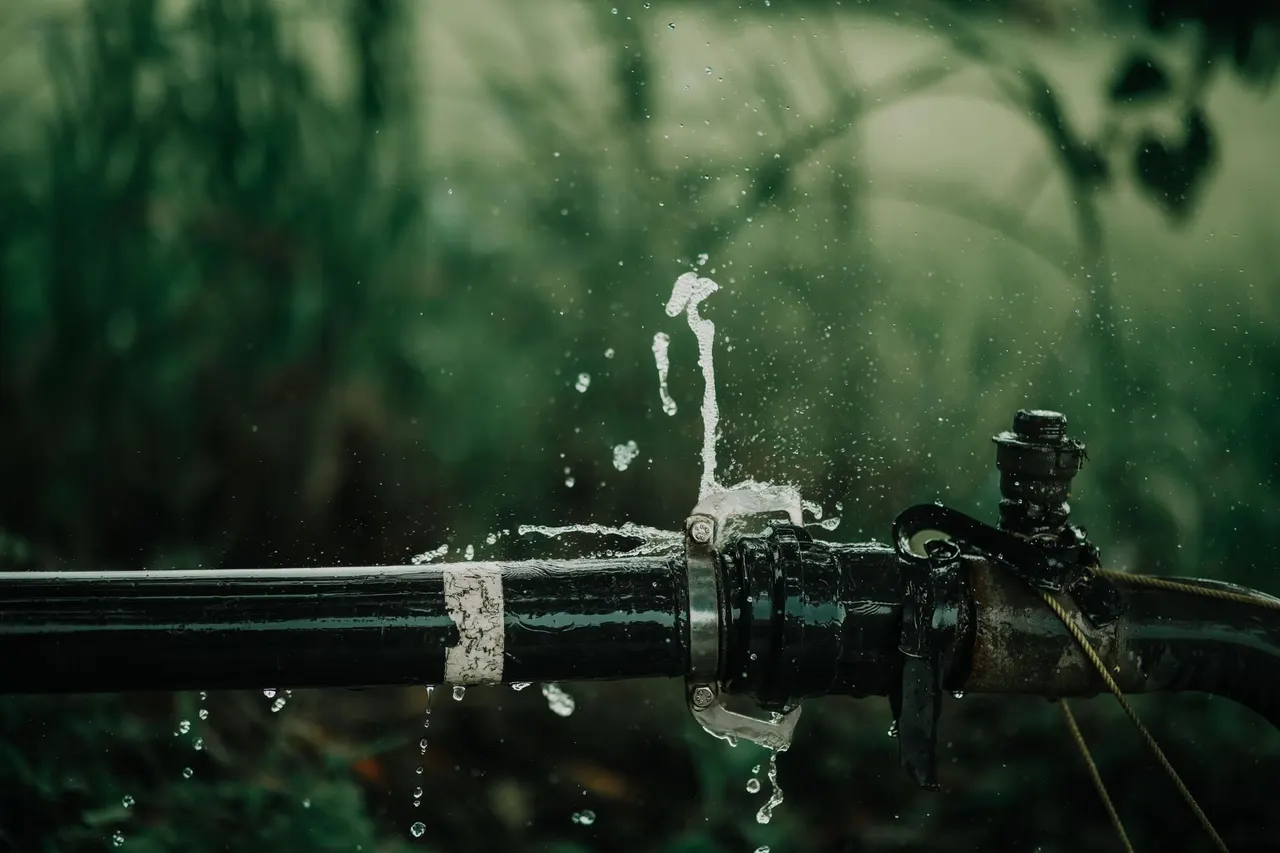
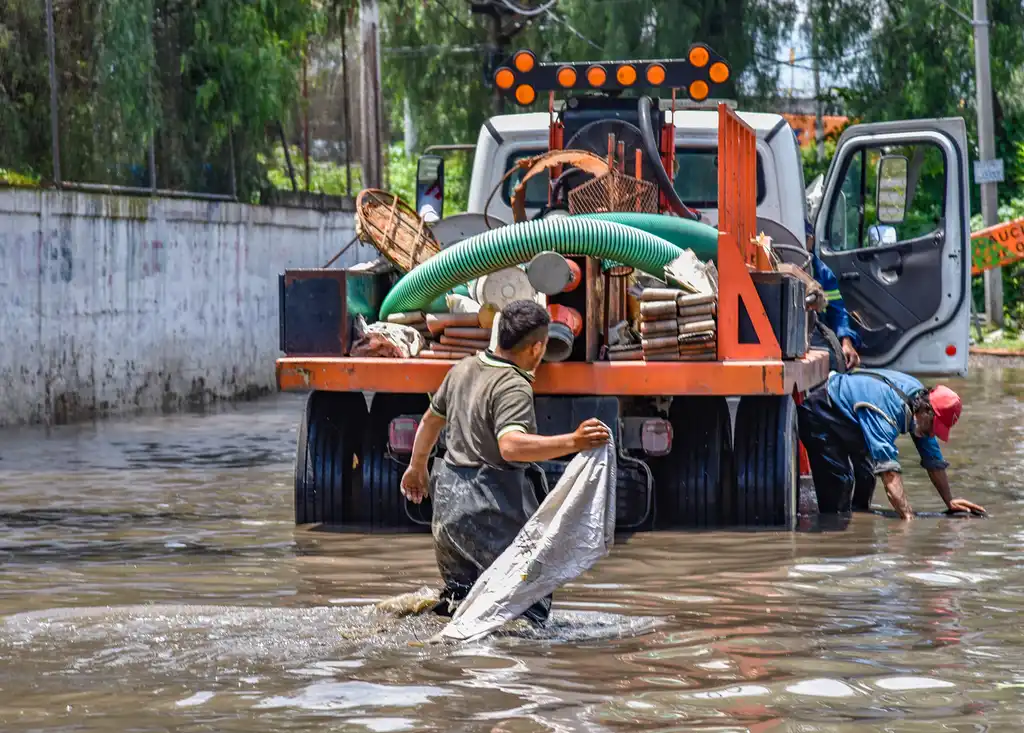
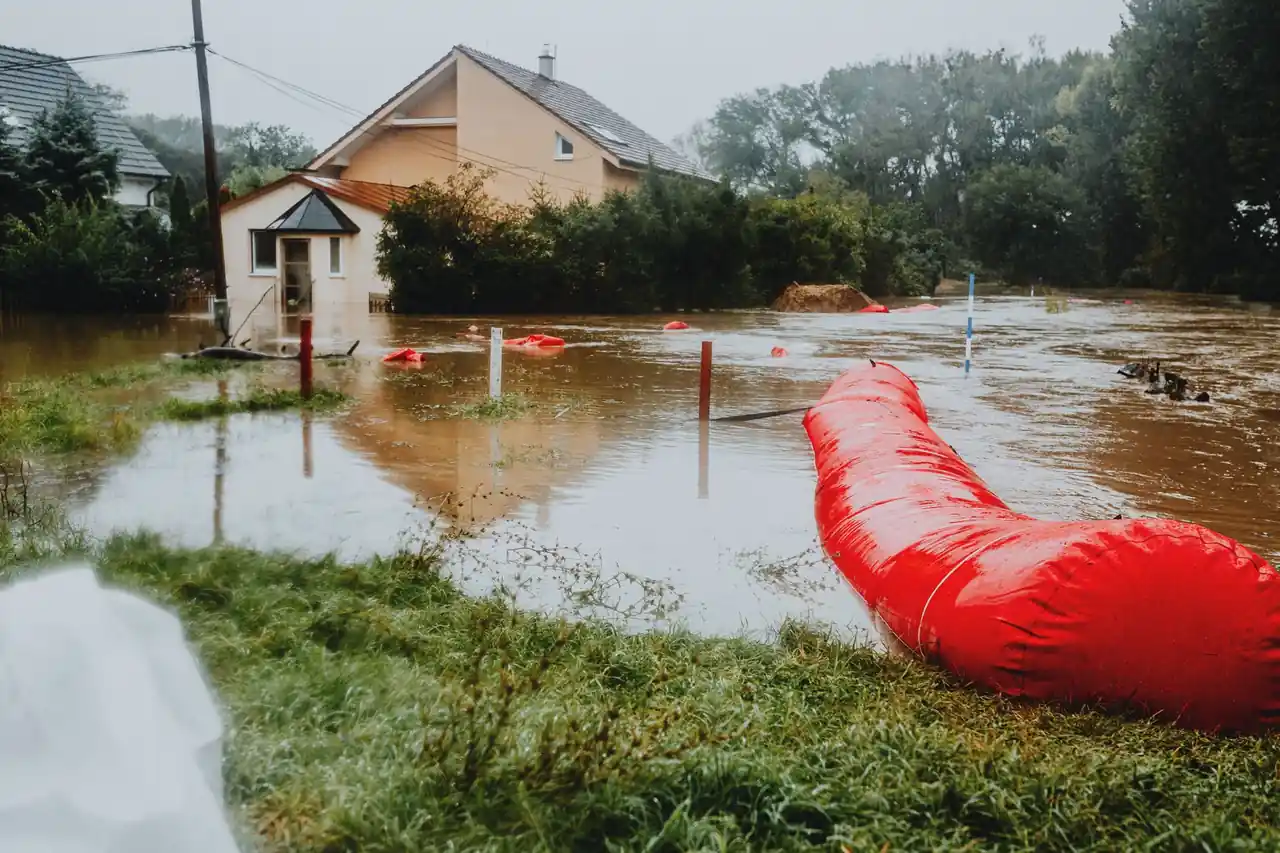
Moisture map
Recorded affected areas and follow-up readings.
Hardwood floor drying kuna ID helps Kuna homeowners and property managers address wet boards after a leak, spill, or flood. Our team extracts standing water, maps moisture, and sets controlled drying equipment to limit cupping and separation. For wood floor water damage repair kuna, acting promptly matters: water trapped below the finish or under the floor can keep damaging materials after the surface looks dry.
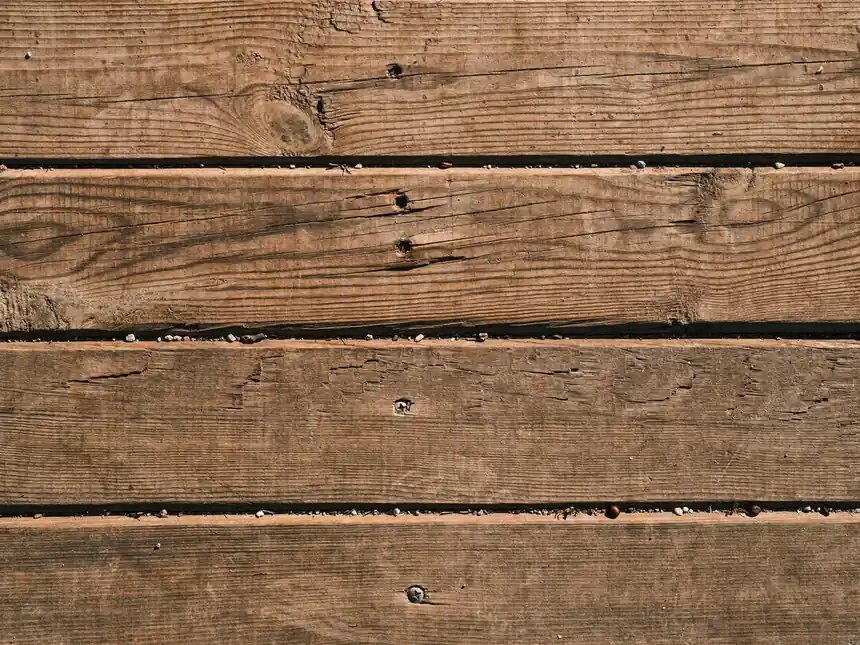
Our hardwood floor drying service covers water extraction, moisture inspection, drying equipment setup, and follow-up readings for affected flooring and nearby materials. We explain findings and identify when the floor needs separate cleaning, refinishing, or board replacement. If the loss also affects drywall, insulation, or contents, we coordinate those needs as connected restoration work so you can see how each part fits the repair plan.
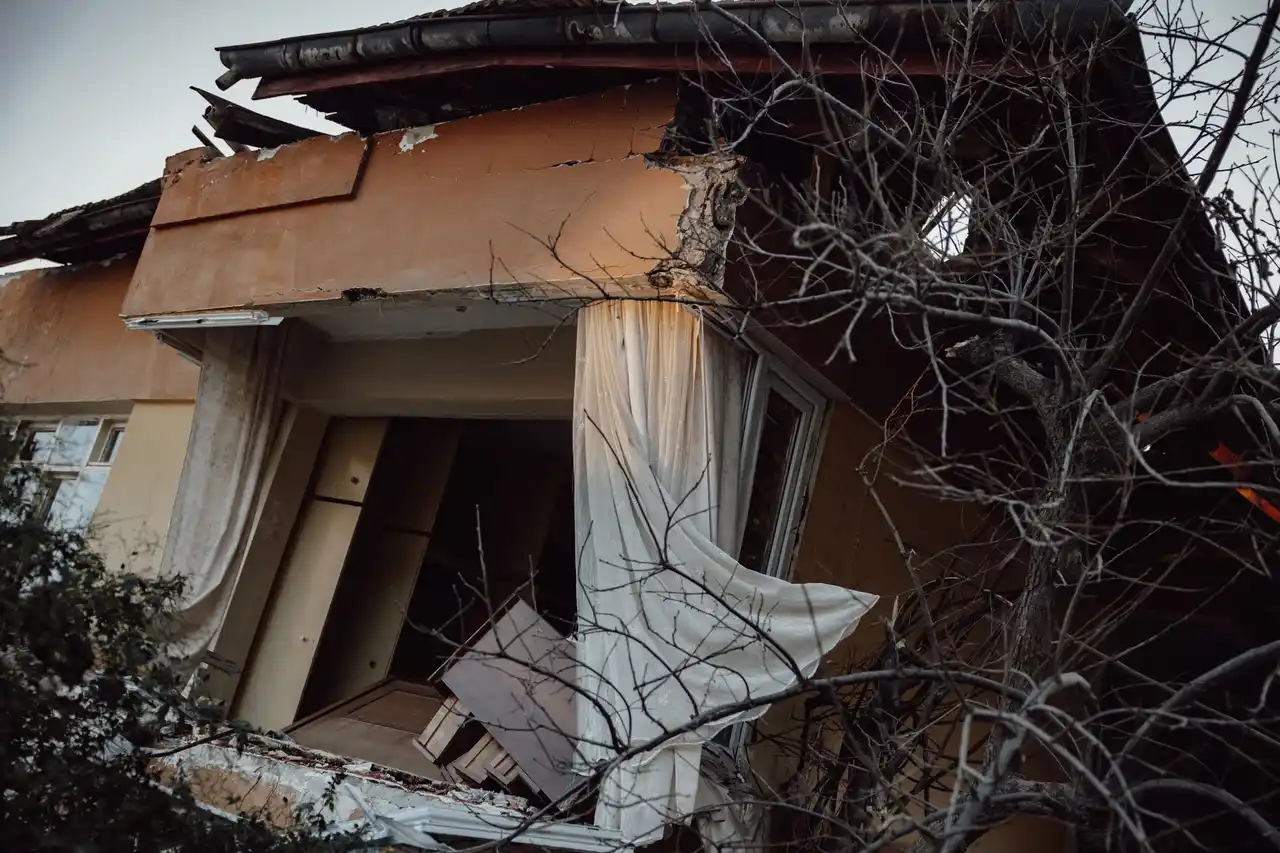
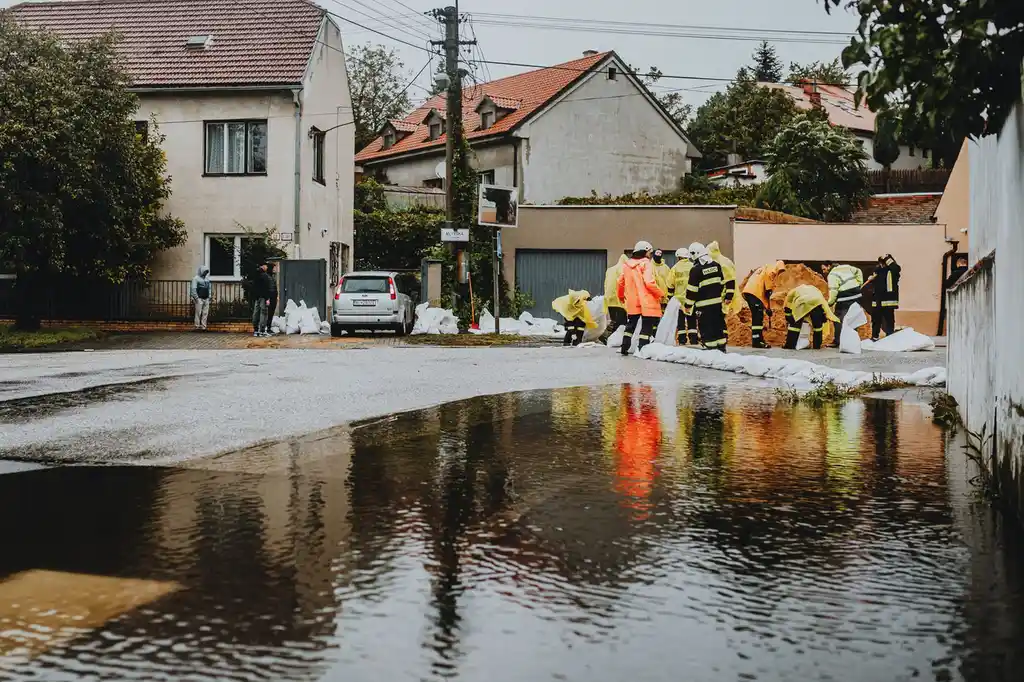
A leak can swell boards and damage the materials beneath your home's hardwood. We extract water, measure affected areas, and explain the drying steps while protecting access to the rest of your home.
Water on commercial hardwood can interrupt daily use and affect neighboring rooms. We coordinate equipment placement and moisture checks with property access, helping owners plan floor repairs around the drying work.
Hardwood floor drying kuna ID is a water-damage restoration service that removes moisture from wood flooring and nearby materials after a leak or flood. We first stop active water and extract what remains, then measure moisture in the boards and surrounding structure. Based on the floor construction and readings, we select controlled airflow and dehumidification rather than simply aiming fans at the surface. The goal is to dry the floor evenly, reduce further movement, and make an informed decision about cleaning, repair, or replacement.
Kuna homes can face wet flooring from a burst pipe, appliance hose, roof leak, or water entering from a crawl space. A quick surface wipe will not reveal moisture between boards, below baseboards, or in carpet padding beside the hardwood. Our kuna hardwood floor drying process checks those adjoining areas, too. If you're searching for hardwood floor drying kuna ID near me, call while the boards are still wet; early extraction gives us a better chance to limit swelling and finish damage.
Measured moisture and controlled airflow help protect hardwood while revealing what still needs repair.
Hardwood floor drying kuna ID follows a clear sequence: stop the water, remove free moisture, measure the affected materials, and use controlled equipment. We walk you through each stage and keep paths through your home usable where the layout allows. Drying time depends on the flooring, water volume, and how far moisture traveled.

We begin by locating the water source and checking whether it is still active. A supply-line leak, roof entry, and crawl space flooding need different corrective steps before floor drying can hold. We inspect visible damage, note the affected rooms, and identify safety concerns. You get a clear explanation of what must happen first.
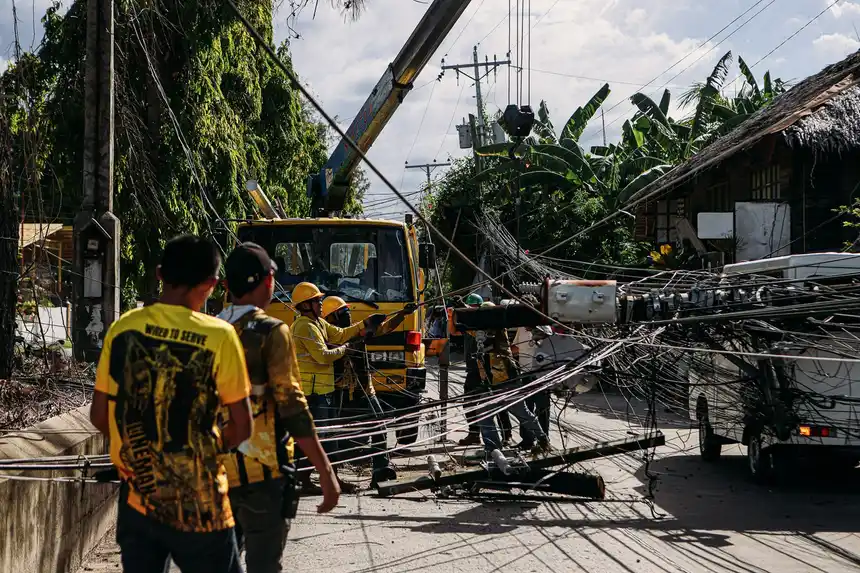
Our crew removes surface water with suitable extraction equipment and protects dry areas with floor coverings or barriers. If water has collected in a low area, we use a water extraction unit or sump pump where appropriate. This stage often takes one to several hours, depending on the volume and access, and reduces the load on drying equipment.
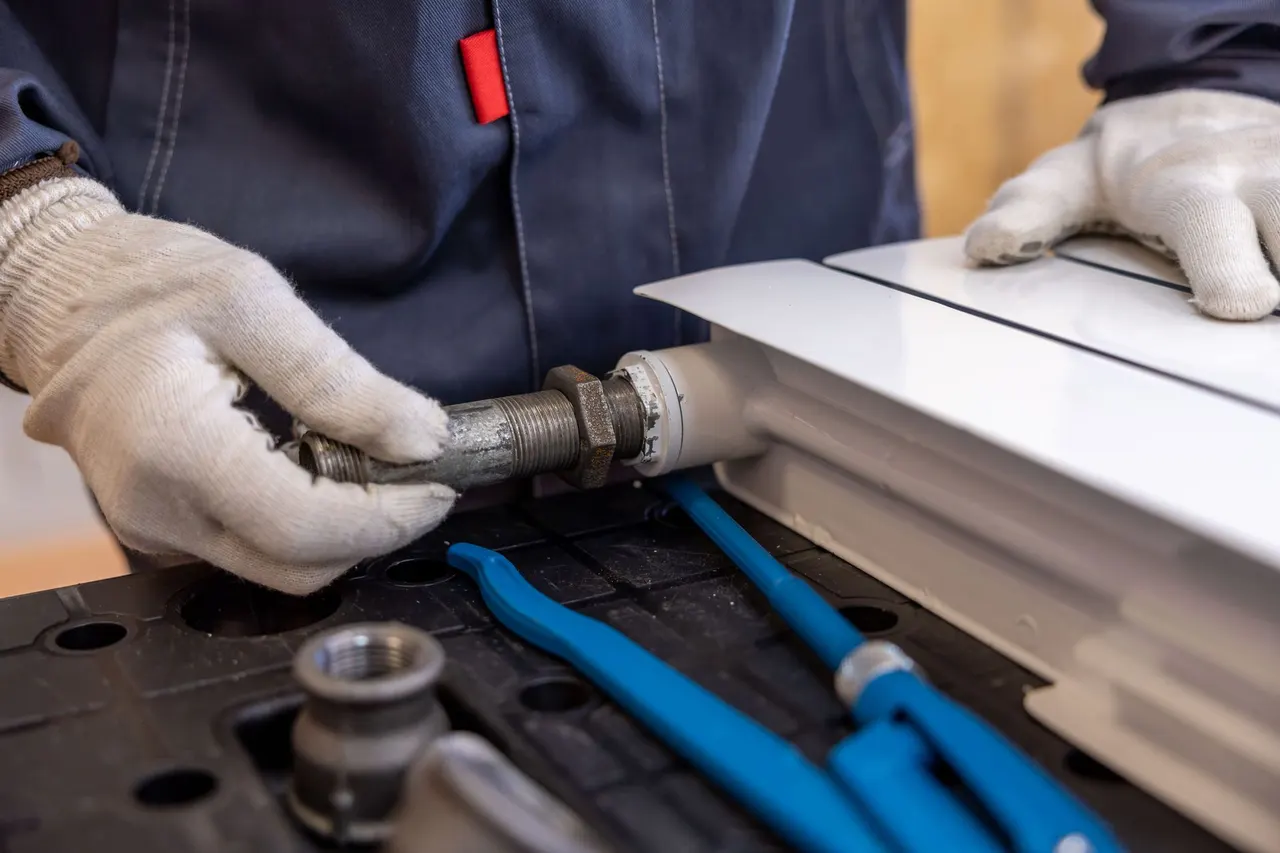
We use a moisture meter and thermal imaging camera to locate wet zones and compare readings across the floor and nearby materials. The thermal image helps direct inspection; it does not replace a meter reading. We record the starting condition, check baseboards and adjoining drywall, and use the results to plan equipment placement.
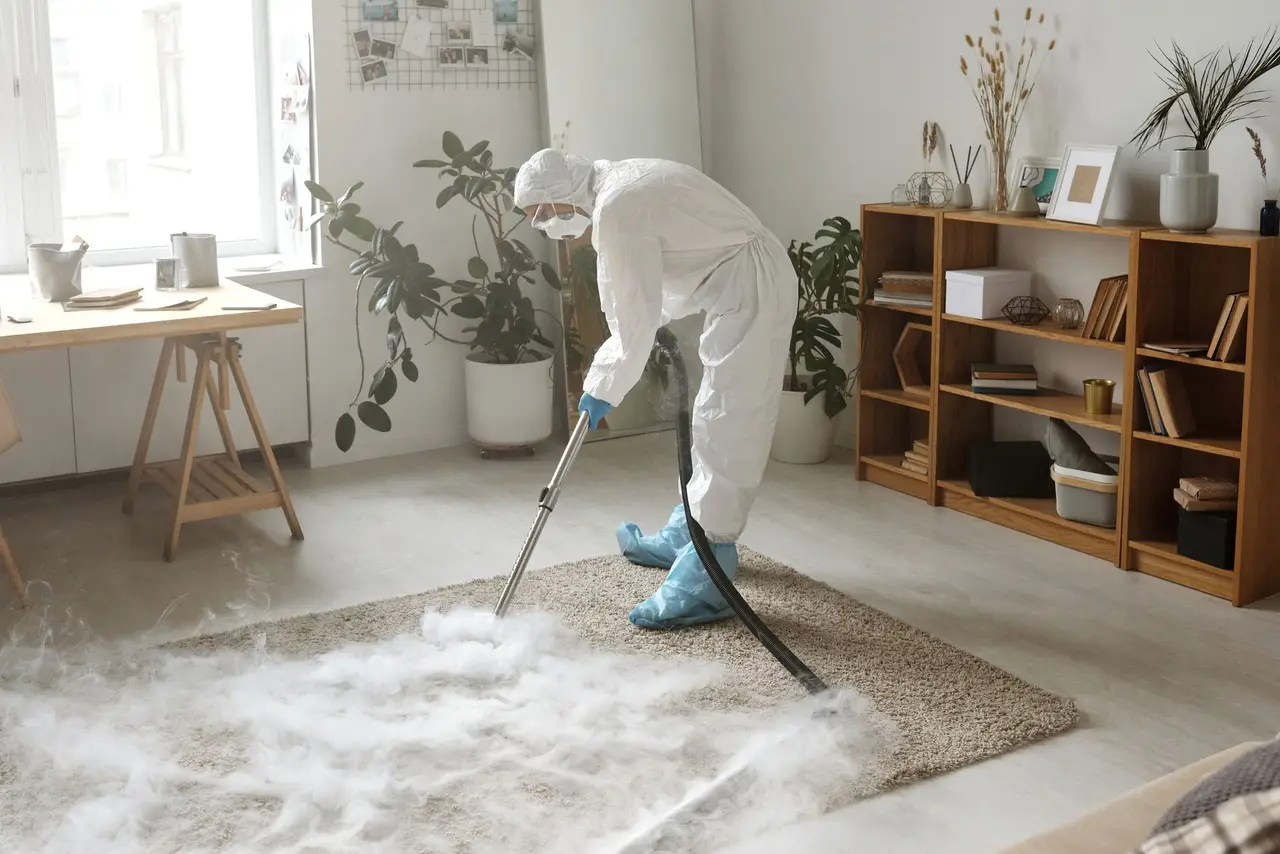
We position air movers to move air across the affected surface and a dehumidifier to collect moisture from the room. Equipment is adjusted to the flooring type and room conditions, rather than run at one setting everywhere. You will hear the machines operating, and we explain safe access, cord placement, and what to move.
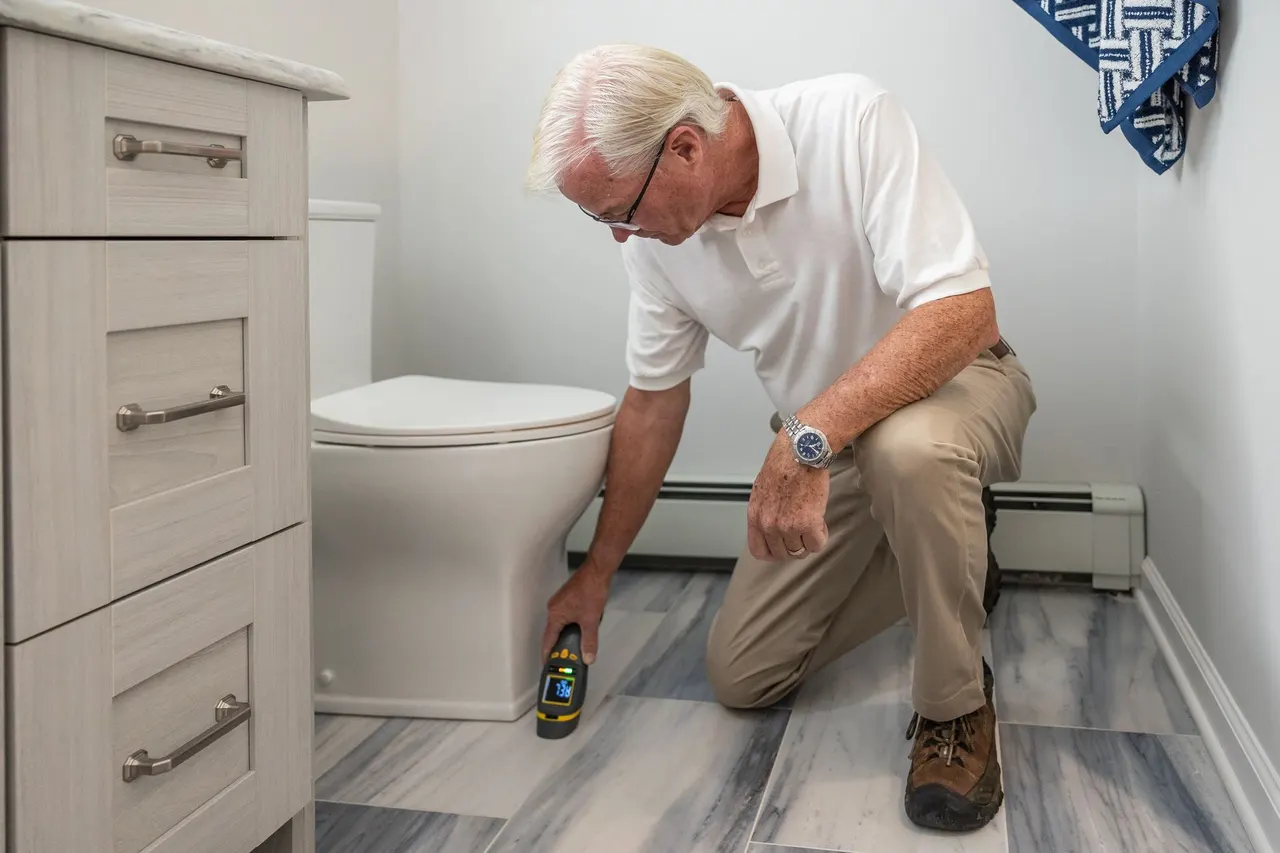
We revisit the floor to take follow-up readings and compare them with the initial map. Drying may take 2 to 7 days; thick flooring, trapped moisture, and adjoining wet materials extend the schedule. Once readings stabilize, we discuss cleaning, refinishing, board repair, or replacement and document any remaining work.
We use the meter to compare moisture across boards, trim, and nearby materials. Repeated readings show whether the affected floor is drying and help guide equipment adjustments.
The camera helps identify temperature patterns that can direct closer inspection of suspected wet areas. We confirm findings with moisture measurements rather than treating an image as proof by itself.
A hygrometer records room humidity and temperature, giving us context for drying progress. We use those conditions alongside material readings when adjusting dehumidification and airflow.
A Dri-Eaz dehumidifier removes moisture released into the room air during drying. We position it to support the drying plan and check conditions so the equipment is working with the room, not against the floor.
Air movers circulate air across affected surfaces and help carry moisture toward dehumidification equipment. Placement is selected for the room shape, floor edges, and safe access through the home.
We use the water-damage restoration principles in ANSI/IICRC S500 to assess the loss, select drying steps, and document progress. The floor is evaluated with its surrounding structure, and the plan changes as measurements show how materials are responding.
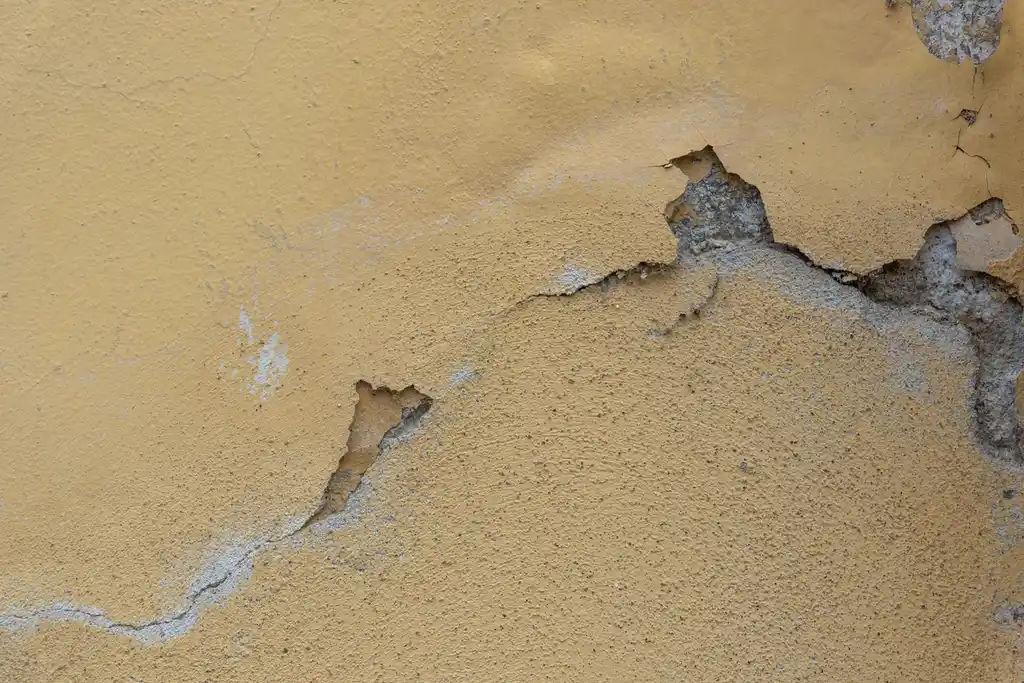
We establish a grid of readings across affected boards and compare it with less-affected areas. That map helps identify concealed wet zones and gives us a consistent basis for follow-up checks, rather than relying on a single spot or surface appearance.
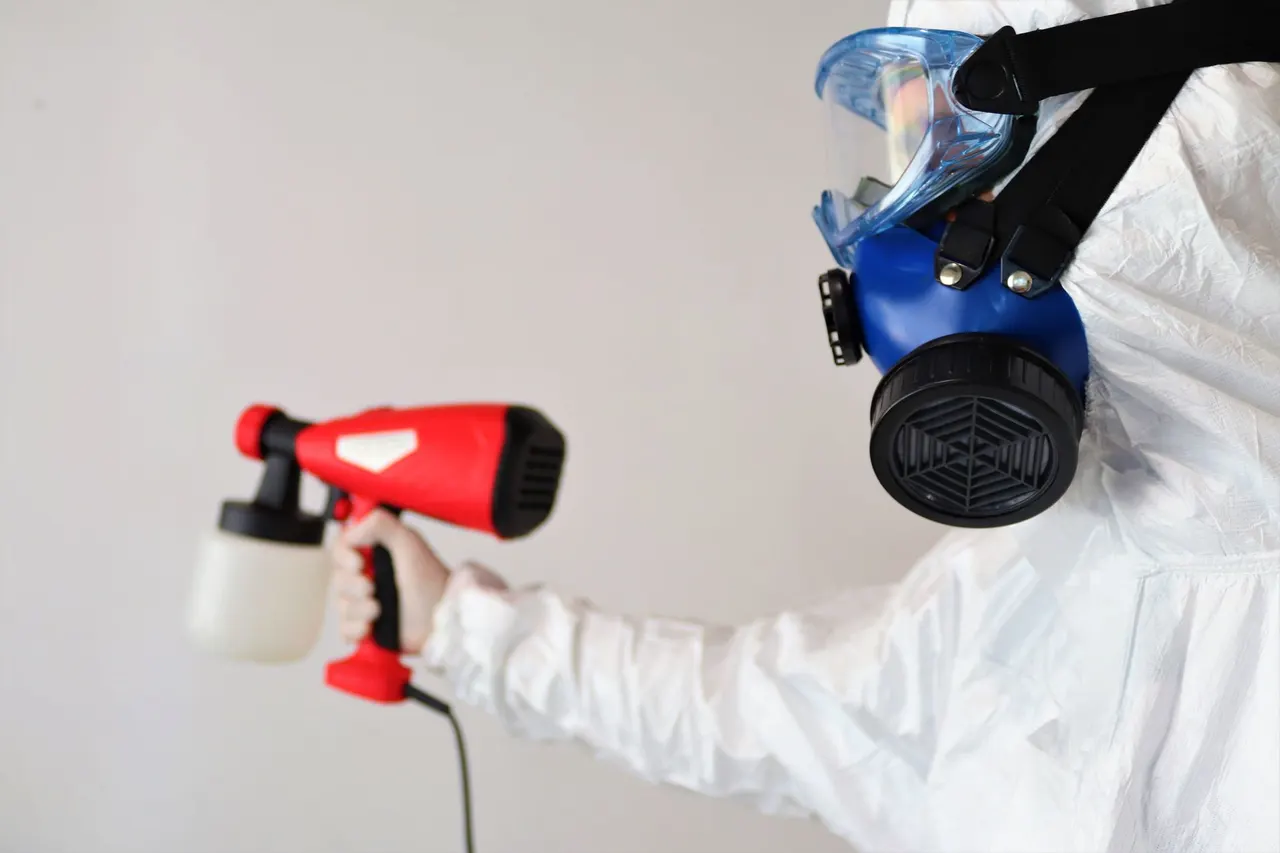
We use measured airflow and moisture removal to support gradual drying. Equipment placement is tailored to the affected room, with attention to board seams and adjacent materials. We reassess the setup as readings change and explain the process while the equipment runs.
We help address the active water source, extract water from the hall, and check floor edges and adjacent rooms. Moisture mapping shows how far the leak traveled before equipment is placed. We also look for water beneath nearby baseboards where a quick mop cannot reach. You get a documented drying plan, reduced standing water, and clear next steps for the floor and connected materials.
We inspect the cabinet toe-kick, flooring seams, and transitions where water may spread into the next room. After extraction, we set controlled airflow and dehumidification, then take follow-up readings. If cabinetry or drywall is wet, we explain how that work relates to the floor. The hidden wet zone is identified early, and you know whether drying alone or additional repairs are required.
We remove water, check the entry path, and assess the floor, baseboards, and nearby wall materials. Once the intrusion is addressed, we select equipment based on the affected layout and monitor readings over the following days. We also identify whether carpet padding at the threshold is wet. You have a clearer view of damage across the threshold and a drying plan aimed at the full affected area.
We remove accessible water and inspect for moisture affecting the floor from below. Our team checks room humidity, board readings, and nearby materials, then coordinates drying with correction of the water problem. The plan accounts for the lower-level layout and any stored contents that need moving. The floor and adjacent structure are assessed together, helping prevent repairs from covering unresolved moisture.
Hardwood floor drying in Kuna starts with the source and the floor assembly, because a leak from above behaves differently from water entering through a lower level. In winter, a frozen pipe can send water across finished rooms before anyone notices; in spring, runoff or foundation seepage can affect edges and subfloors. We check the room, floor transitions, and nearby baseboards before choosing extraction and drying equipment. Wood floor drying services kuna Idaho customers need should account for connected materials, not only visible boards. For homes near open crawl spaces or lower-level areas, we also consider whether moisture is coming from beneath the floor. Our team uses measured readings and controlled dehumidification, then explains how the findings affect refinishing or repair. We serve Kuna neighborhoods throughout Ada County, including locations in ZIP codes 83634 and 83642, and coordinate the drying plan around access, furniture, and the rooms you need to keep using.
A failed supply line left water beneath the kitchen cabinets and across several rows of hardwood. The boards looked dry near the doorway, but the edges by the toe-kick were swollen and the lower drywall held moisture. The homeowner had stopped the leak but did not know how far water had traveled.
We extracted surface water, mapped readings across the kitchen and nearby transition, and ran controlled drying equipment. Over 4 days, the documented readings fell and the floor stopped showing new movement. We identified a small area that still needed finish repair rather than recommending replacement of the whole room.
Check sink and appliance connections during routine household maintenance, and act on drips before they reach the floor. Keep cabinet toe-kicks clear enough to notice water, and call promptly if boards swell or a musty odor develops.
Wind-driven rain entered below a door in a Kuna home and spread across the adjoining hardwood. A rug concealed part of the wet area, and moisture had reached the baseboard near the opening. The family had removed the rug but needed to know whether the boards could be dried in place.
We lifted wet contents, extracted water, and checked the threshold, boards, and lower wall. The drying setup ran for 3 days with follow-up readings at the door and room center. The main floor area dried without broad demolition, while the affected trim was addressed separately.
After heavy rain, inspect door thresholds and nearby flooring for dampness. Keep rugs lifted until the area is dry, and address water entry at the door so the same boards are not exposed again.
A sump pump failure left water along the edge of a finished lower-level room. Hardwood boards began cupping near the wall, while stored boxes blocked part of the affected area. The source needed attention, and the homeowner wanted the floor assessed before deciding whether to remove it.
We removed accessible water, cleared a workable path, and measured the floor and adjacent wall materials. Equipment ran for 6 days while the readings were checked and the pump issue was addressed. The results showed which sections could proceed to repair and where further flooring work was needed.
Keep the area around the sump accessible and check for unusual pump sounds or standing water. Store boxes above floor level in lower rooms, and investigate dampness at the wall before it spreads beneath finished boards.
Hardwood floor drying kuna ID addresses more than a wet surface. Moisture can move through seams, beneath trim, and into the subfloor before visible damage peaks. We identify the wet path, remove water, and track drying so you can make decisions based on the actual condition of the floor.
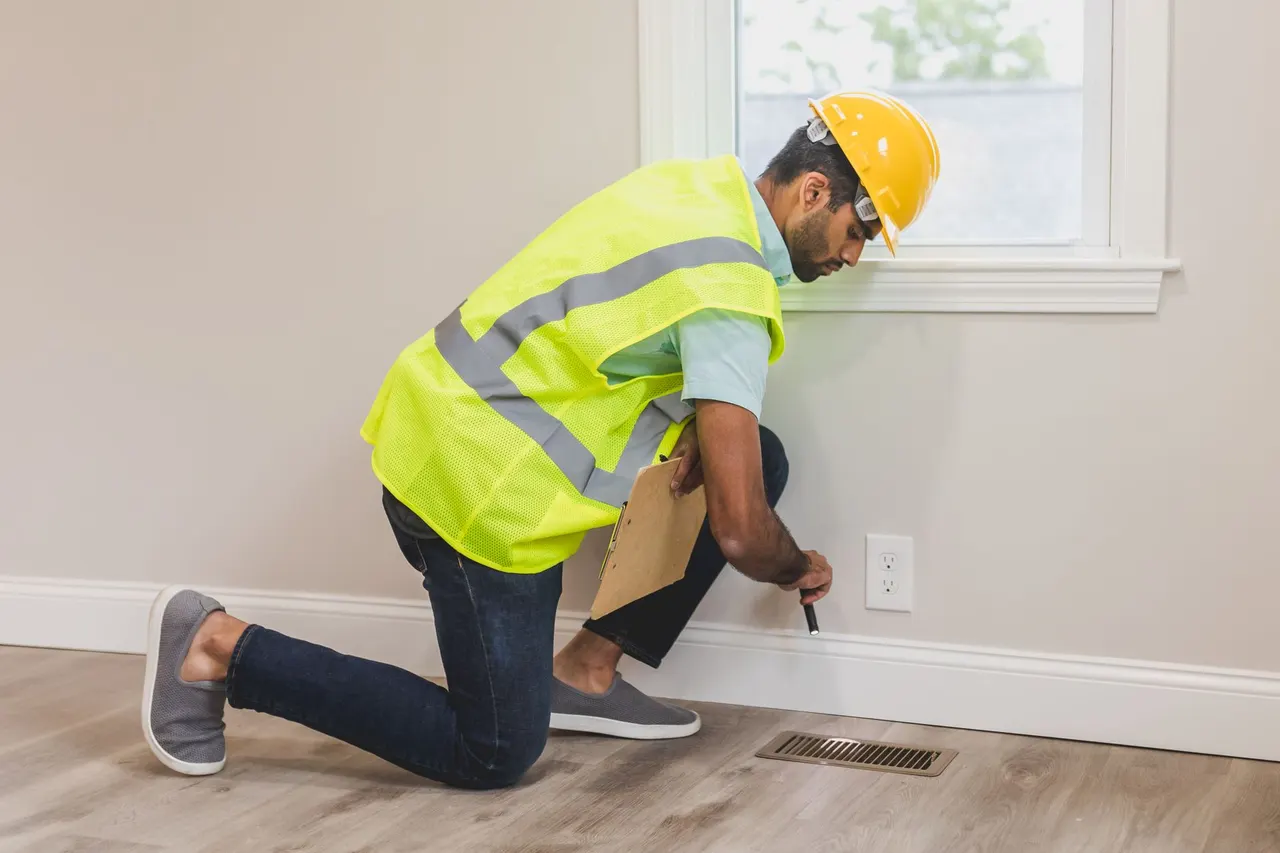
We stop active water, extract the surface, and measure the affected boards and surrounding materials. Equipment is set to support gradual, even drying, with readings checked as the floor changes. Once dry, we explain whether the finish can be retained or if individual boards need repair. Continued moisture can push boards upward, loosen fasteners, and damage the finish. Uneven drying can leave lasting gaps or cupping even after the original leak is fixed.
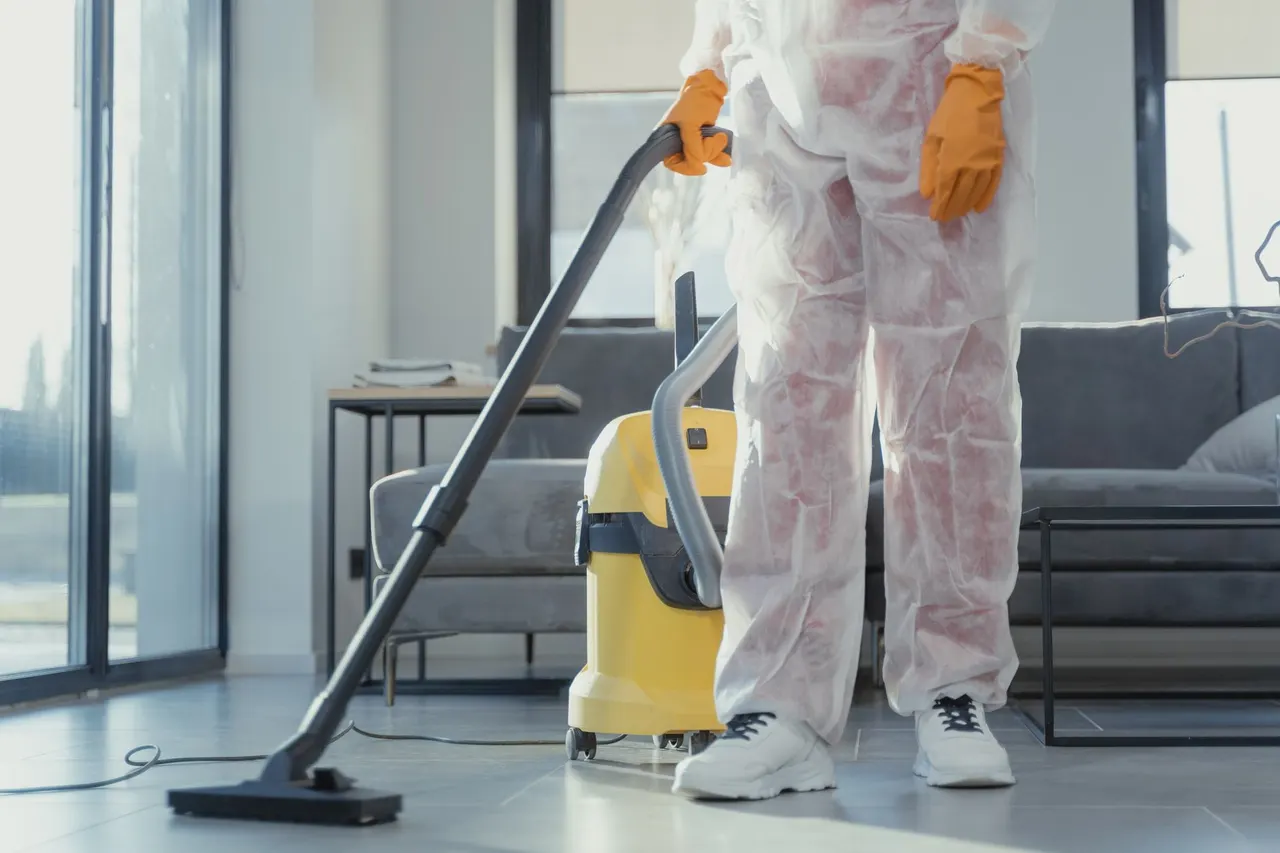
We inspect edges and transitions rather than limiting the assessment to the center of the room. Moisture readings guide whether trim should be removed and whether adjacent materials need drying. The result is a clearer account of the complete affected area before repairs close it in. Hidden water can keep drywall, carpet padding, or the subfloor damp after the exposed hardwood appears dry. That trapped moisture can lead to odors or later deterioration.

We look for patterns that point to moisture below the hardwood and coordinate source control with the drying plan. Our team maps readings, checks the floor assembly, and explains when further inspection is needed. Drying is paired with addressing the cause, not used as a substitute for it. A continuing source can repeatedly wet the underside of boards, making surface-only drying ineffective. The floor may keep changing while the underlying condition remains unresolved.
We trace visible water staining toward the floor and check the surrounding materials for moisture. After the roof entry is controlled, we extract and dry affected areas, then discuss cleaning or remediation if contamination is present. You receive a practical sequence for restoring the room. A slow leak can soak floor edges and nearby wall materials for days before staining becomes obvious. Persistent dampness can affect finishes and create conditions that support mold growth.
Water makes wood fibers swell, and uneven drying can leave boards cupped or separated. We track moisture at several locations rather than relying on touch, then adjust airflow as readings change. That measured approach helps reduce additional movement and shows whether the floor is progressing toward its pre-loss condition.
Moisture often travels beneath baseboards and into drywall or insulation at the room perimeter. Our inspection follows the wet path, so a dry-looking surface does not conceal damp materials. When readings call for it, we dry or remove affected adjacent materials as part of a coordinated restoration plan.
You receive a straightforward explanation of the affected area, equipment placement, and readings we are monitoring. We note changes during follow-up checks, including whether moisture is dropping or a section needs a different drying method. That record supports sound decisions about refinishing, board repair, or replacement.
A floor leak can affect carpet padding, baseboards, and lower drywall in the same room. We identify connected damage and coordinate the drying sequence so repairs do not cover wet materials. Wood floor water damage repair kuna is easier to plan when the source, floor, and surrounding structure are assessed together.
Clear records you can keep and share.
Recorded affected areas and follow-up readings.
Equipment placement matched to the floor and room.
Findings explained for cleaning, refinishing, or board repair.
Drying removes moisture from hardwood and nearby materials, while floor repair restores damaged boards or finishes. We measure first so you can separate those needs and plan the next step clearly.
A dry-looking board can still hold moisture below its finish. Readings across the floor provide a better basis for deciding whether drying should continue.
Cupping or gaps can change as wood moisture shifts. We monitor the pattern and explain when a repair decision should wait for drying to finish.
Baseboards and lower drywall can retain water after the hardwood surface dries. Checking adjoining materials helps prevent repairs from covering an unresolved wet area.
Outside these neighborhoods? Call and ask about service for your address. (833) 546-4116
Kuna water damage restoration handles hardwood floor drying in Kuna, Idaho, after leaks and water intrusion. We inspect the floor and nearby materials, extract standing water, map moisture, and set appropriate drying equipment. Call (833) 546-4116 to describe the affected room and water source. We will explain the first steps and what information helps us assess the damage.
Wood floor water damage repair in Kuna commonly ranges from $300 to $2,500 for drying and related restoration, with larger losses costing more. Typical 2026 pricing depends on the affected square footage, water volume, access beneath the floor, and whether boards or baseboards need repair. We explain the price before work proceeds. Extraction and drying are distinct from refinishing or replacing damaged flooring.
Yes, hardwood floors can often be saved after water damage in Kuna, especially when extraction begins promptly and moisture has not caused severe movement. We check board cupping, finish condition, moisture readings, and the subfloor before recommending a path. Some floors need drying and refinishing; others have swollen, delaminated, or contaminated sections that require replacement. We explain the findings plainly.
Hardwood floor drying in Kuna often takes 2 to 7 days, and extensive or trapped moisture can extend the schedule. The floor construction, water volume, room humidity, and wet drywall or insulation all affect the timeline. We check readings during the process instead of stopping by appearance alone. You will know what is drying and when we expect to reassess.
Wet boards need prompt attention before moisture reaches the subfloor or lower walls. Call (833) 546-4116 and tell us what happened, when you noticed it, and which rooms are affected. Our team will help you take the next practical step and explain how we assess the floor.
Call (833) 546-4116 when water reaches your home or business in Kuna, Idaho. Tell us whether the source is still active, which rooms are affected, and when the damage began; that helps direct the next steps. Calls are accepted at any hour for emergency inquiries, and service coverage includes Kuna, ID, with ZIP codes 83634 and 83642.