Emergencywaterdamagerepair in Kuna Palouse, Idaho

When a pipe breaks or water crosses your floor, emergencywaterdamagerepair in Kuna Palouse starts with stopping the source and removing standing water. Our crew serves Kuna Palouse East and Kuna Palouse West, including family homes near Kuna Palouse Park and the Palouse community area. We map wet materials, protect belongings, and explain the next drying steps. Call for Kuna Palouse water damage cleanup before moisture spreads into walls or flooring.

emergencywaterdamagerepair in Kuna Palouse

Serving Kuna Palouse homes

  • Readings RecordedMoisture checks guide drying decisions
  • Work Area ProtectedContents moved away from wet surfaces
  • Steps ExplainedYou hear what happens next
  • Equipment CheckedAirflow placement reviewed during work

Local emergencywaterdamagerepair in Kuna Palouse

emergencywaterdamagerepair in Kuna Palouse is a water removal and building-drying service that limits damage after a leak, pipe failure, or indoor flooding. The work begins by identifying the water source, assessing affected rooms, and extracting standing water before controlled drying starts. We serve Kuna Palouse East and Kuna Palouse West, where newer subdivision layouts and family homes call for careful checks behind baseboards, under flooring, and around plumbing runs. Our service area is in Ada County, Idaho, with Kuna, ID as the local base for reaching the Palouse community area. For water damage restoration Kuna Palouse ID, we record moisture readings and use equipment suited to the affected materials rather than relying on surface appearance. Our team handles emergencywaterdamagerepair near Kuna Palouse from first extraction through structural drying and repair coordination. You get a clear sequence: stop the leak, remove water, measure moisture, dry affected assemblies, then verify progress. We also document visible damage and moisture conditions so you can share useful information with your insurer.

Kuna Palouse has family homes and newer subdivision construction, and a small plumbing failure can affect several connected finishes before it becomes obvious. Rolling terrain and drainage concerns make it sensible to check lower levels, crawl spaces, and foundation edges after heavy rain or snowmelt, without assuming every home has the same drainage system. We serve this area because local response matters when water is still moving through a room. Our technicians arrive ready to extract, inspect, and set drying equipment, then return to measure progress instead of leaving fans running without a plan. We cover ZIP code 83634 and nearby Kuna service addresses, with work staged around the access and parking available at each property.
Water damage services for Kuna Palouse

Water losses in Kuna Palouse range from a supply line leak under a sink to storm water entering a lower-level room. Our team starts with source control and extraction, then checks drywall, insulation, carpet padding, and flooring for retained moisture. For emergencywaterdamagerepair in Kuna Palouse ID near me, call with the address, water source, and whether the flow is active; that helps us prepare the right equipment. We serve homes across 83634 and nearby Kuna locations, with service selected to match the damage rather than a one-size cleanup package.

Water restoration services in Kuna Palouse

Emergency restoration in Kuna Palouse

Emergency restoration in Kuna Palouse

We locate the water source, extract standing water, and inspect nearby rooms before setting a drying plan. In Kuna Palouse homes, we check cabinet bases, floor edges, and connected spaces where water can travel unseen. Readings guide equipment placement and follow-up checks.

  • Source and room inspection
  • Water extraction first
  • Measured drying progress
For Kuna Palouse homes

For Kuna Palouse homes

We restore family homes in Kuna Palouse with a room-by-room inspection and drying plan. Our crew protects contents and checks flooring, walls, and lower-level spaces affected by water.

  • Family homes and subdivisions
  • Kitchen and laundry leaks
  • Lower-level water entry
  • Carpet and hardwood damage
For local properties

For local properties

We help Kuna-area property owners address water intrusion while keeping affected work zones organized. We document rooms, contents, and moisture checks to support a clear restoration sequence.

  • Small business interiors
  • Rental homes and units
  • Office water losses
  • Retail space cleanup

Common water damage problems in Kuna Palouse

Kuna Palouse properties face the same practical water threats as other homes in the area: plumbing failures, roof leaks, drainage entry, and equipment breakdowns. Rolling terrain and drainage concerns make it important to examine where water entered instead of assuming a wet floor came from a pipe. Newer subdivision homes still have concealed plumbing and finished cavities that can hold moisture. Our Kuna Palouse emergencywaterdamagerepair work focuses on finding the source, measuring affected materials, and drying the structure before repairs cover the evidence.

  • Frozen or burst pipes release water into finished rooms

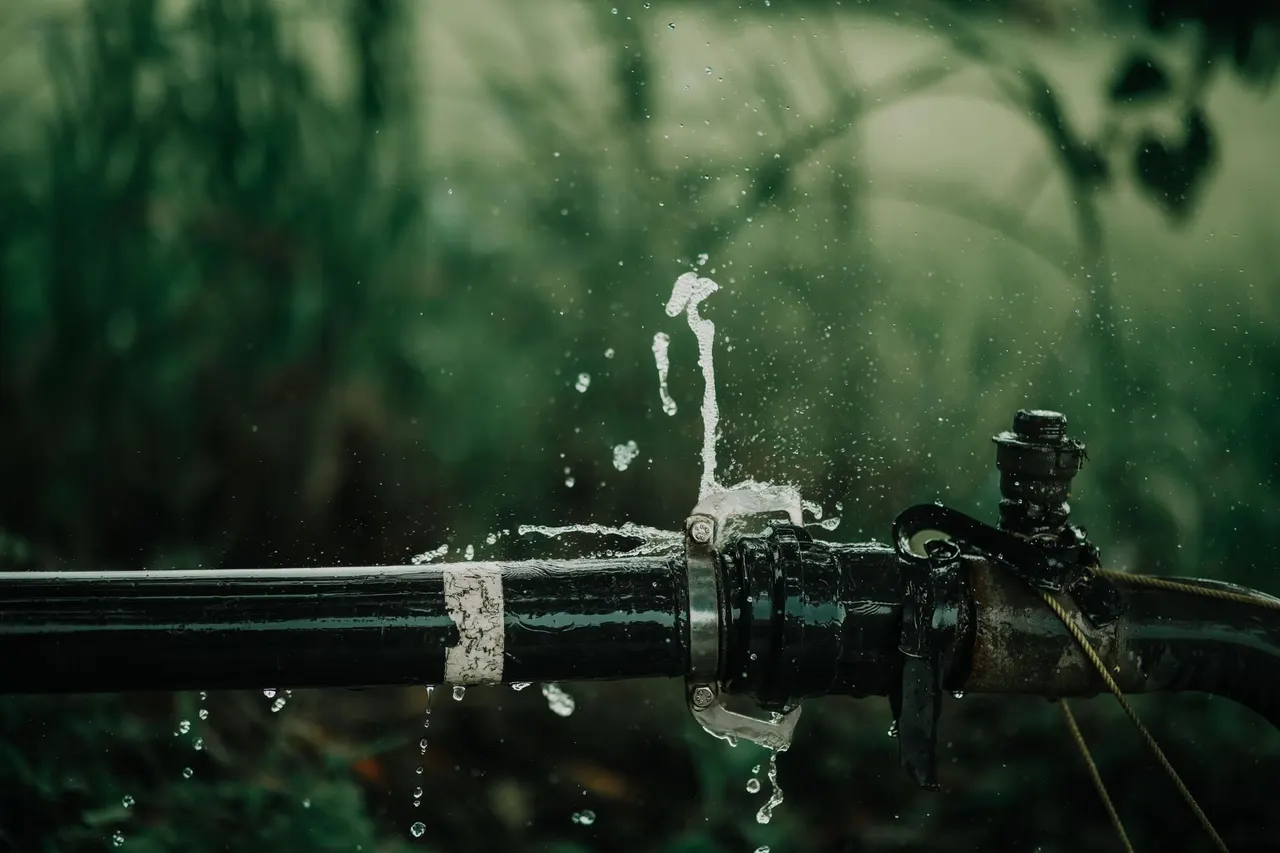
    Frozen or burst pipes release water into finished rooms

    Winter cold can affect plumbing in exposed or poorly protected spaces, and a split may release water as soon as the line thaws. Water then travels through wall cavities, ceilings, or flooring. The first stain may be several feet from the actual pipe failure. We help isolate the leak, extract water, and inspect the room and connected areas. Moisture readings guide drying placement, and we check behind affected finishes where evidence supports it. Once the assembly is dry, repair work can address the damaged drywall, insulation, and trim.

  • Roof leaks soak ceilings and attic insulation

    Roof leaks soak ceilings and attic insulation

    Wind-driven rain, damaged roofing, or a roof opening can wet insulation and ceiling material before water drips into a room. A stain may continue to grow after the storm ends because trapped moisture moves through the assembly. We trace the interior wet path, protect contents, and extract accessible water. We coordinate interior drying with control of the roof opening, then assess insulation and ceiling materials. Readings help establish when the area is ready for repair rather than closing it while damp.

  • Foundation seepage leaves lower walls and floors damp

    Foundation seepage leaves lower walls and floors damp

    Heavy rain or snowmelt can expose drainage weaknesses, especially where runoff reaches a lower exterior edge. Soil and site conditions vary, so dampness alone does not prove a foundation defect or identify the entry route. We remove water, map moisture along the floor-wall junction, and inspect accessible areas for a likely path. Our team separates immediate cleanup from longer-term drainage correction and discusses a sump or french drain pipe only when site observations support that option.

  • Sump pump failure allows water to collect below grade

    Sump pump failure allows water to collect below grade

    A failed pump, blocked discharge, or power interruption can leave water in a sump area and spread it across a lower floor. Stored water can affect contents and nearby finishes before the homeowner notices the equipment has stopped. We extract standing water and inspect the sump components and affected materials. If the pump needs repair or replacement, we address the equipment as part of the corrective work. Drying checks cover the floor edges and any porous materials that absorbed water.

When to call for emergency water repair

Notice spreading stains, wet flooring, ceiling changes, or standing water? Call before moisture reaches more materials.

  • Water continues flowing after shutoff attempt

    A steady stream, repeated dripping, or water returning after cleanup points to an active source. Shut off the nearest safe valve if you can identify it, then call for help. Do not enter a room with water near energized outlets or electrical equipment.

  • Ceiling paint bubbles or begins to sag

    A soft bulge or spreading ceiling stain can indicate water trapped above the finish. Keep people clear of the area because saturated material can fall. We trace the source, protect the room, and check the ceiling assembly before repair work starts.

  • Carpet feels wet beyond the visible spill

    Moisture extending beyond a spill can reach carpet padding, tack strips, and subfloor. Surface blotting does not remove water held below. We extract the carpet and check the edges and adjoining rooms to determine whether deeper drying is needed.

  • Musty odor develops after a leak

    A persistent damp smell can mean moisture remains in a wall cavity, cabinet base, or flooring layer. The odor itself does not identify the source, so we inspect and measure rather than masking it. Call promptly if the smell follows a recent water event.

  • Water collects at a basement floor edge

    Pooled water near a lower wall can come from plumbing, seepage, or a failed sump system. The source matters because cleanup and prevention differ. We remove standing water, inspect accessible edges, and check affected materials before recommending the next step.

How we handle Kuna Palouse water losses

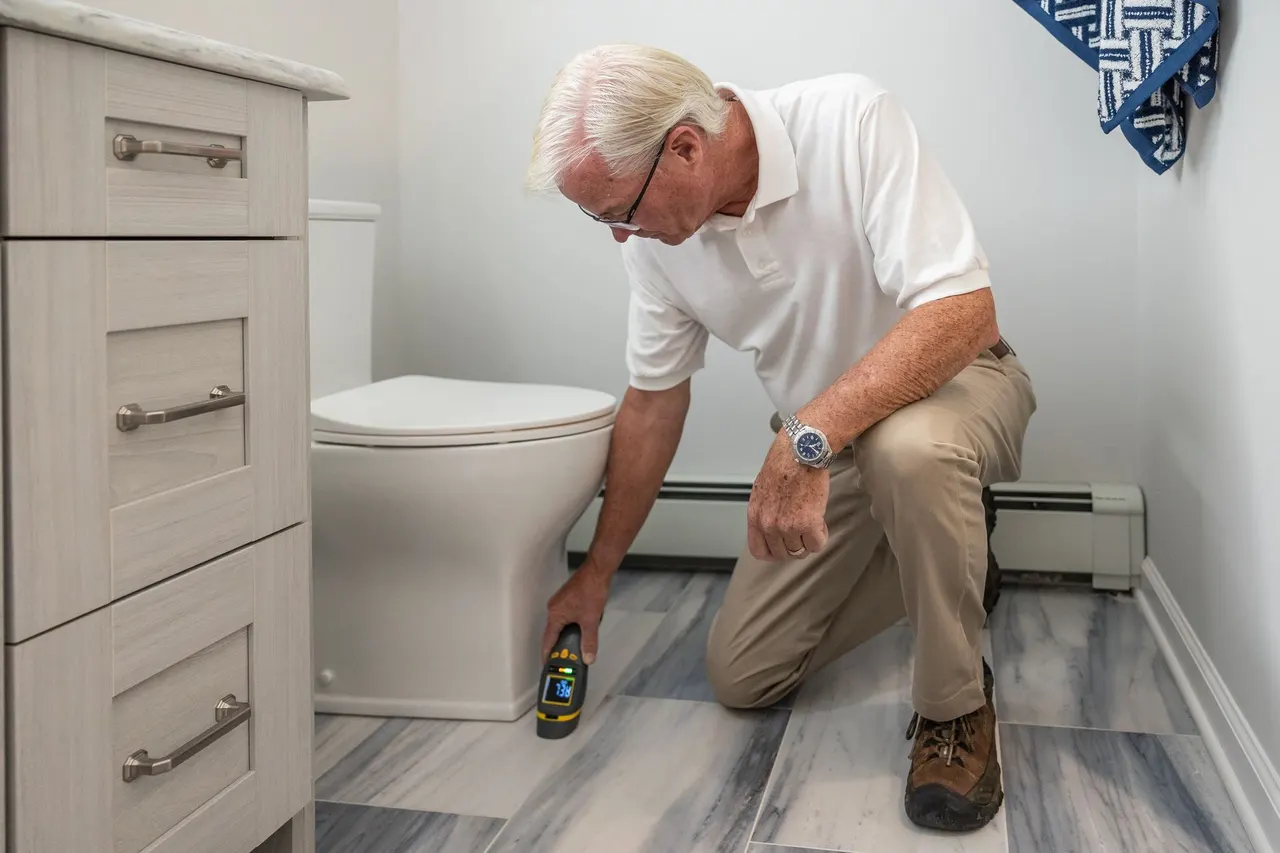
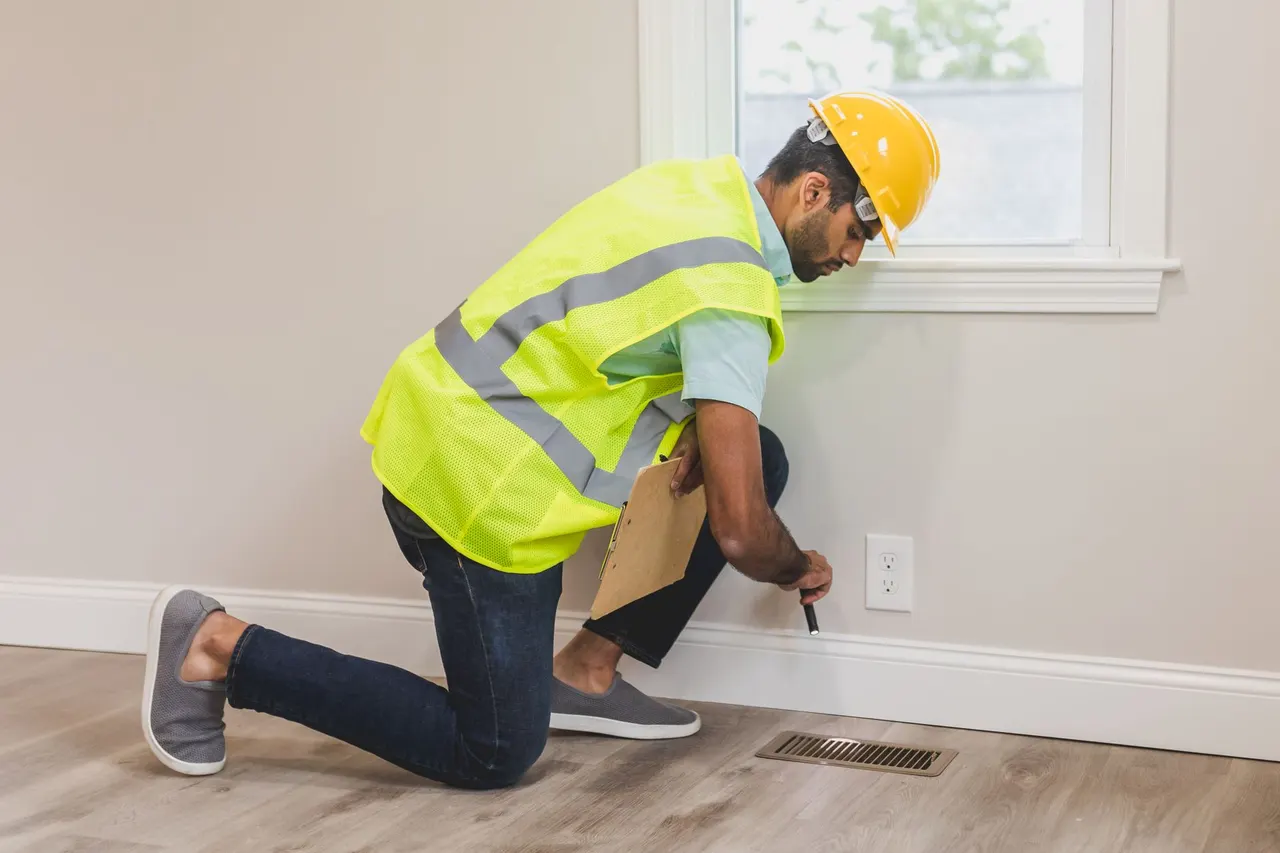
Kuna Palouse emergencywaterdamagerepair starts with a safe walk-through, source check, and moisture map before equipment is placed. In winter, we look for frozen pipe damage after temperatures dip below freezing; during spring runoff and heavy rain, we inspect low points and drainage paths without assuming the site has a specific defect. Our crew protects walkways and keeps hoses and cords arranged around family use of the home. For 24/7 water restoration in Kuna Palouse Idaho, call with the active leak status and floor level so we can prepare extraction equipment. We measure materials with a moisture meter and use a hygrometer to track room conditions. ANSI/IICRC S500 guides water restoration procedures, while the actual plan depends on water category and building materials. We document readings, set drying equipment, and return to check whether the affected assembly is responding. For homes near Kuna Palouse Park or the Palouse community area, we use the supplied address and access details rather than relying on landmark proximity as a substitute for directions.

  • Rolling terrain and drainage concerns can send runoff toward lower entry points.

    Water may collect at a low exterior edge or enter a crawl space after prolonged rain or snowmelt. The visible indoor wet spot does not always identify the path, so a quick extraction-only response can miss moisture at the foundation or floor perimeter. We inspect the interior and accessible exterior drainage path, then identify whether the event is a plumbing loss or surface water entry. After extraction, we measure floor edges and lower wall materials, record the affected rooms, and explain practical drainage corrections when the evidence supports them.

  • Newer subdivision homes can conceal leaks behind finished walls and cabinets.

    A supply-line leak may travel under flooring or into a cabinet base before a stain appears. Tight finished assemblies make it important to distinguish surface moisture from water held behind drywall, insulation, or baseboards. We trace the wet pattern with measured checks and targeted inspection instead of opening every wall. Our team checks adjacent rooms, documents the readings, and opens materials only where the findings show a need, then dries exposed framing before repair.

  • Freezing winter nights can split exposed or poorly protected plumbing lines.

    A frozen pipe may thaw and release water while occupants are asleep or away. Water can spread through ceilings, wall cavities, and carpet padding before the leak is found, creating a larger drying area than the initial drip suggests. We help isolate the water source, extract standing water, and check ceilings and connected rooms. We set drying equipment based on readings and advise you to keep clear of sagging ceiling materials until the affected assembly is assessed.

  • ANSI/IICRC S500 Standard for Professional Water Damage Restoration

    This standard informs water-loss inspection, water categorization, extraction, drying, and documentation practices. We use its framework to build a job-specific plan for Kuna Palouse properties, while following applicable local requirements for repairs and any work that needs a separate trade permit.

  • EPA Lead-Safe Renovation, Repair and Painting requirements

    When repair work disturbs painted surfaces in a covered pre-1978 property, applicable lead-safe requirements matter. We identify the building age and work type before disturbance and use appropriate lead-safe practices or qualified trade support where required.

Local landmarks and route orientation

Kuna Palouse Park and the Palouse community area provide useful orientation when a caller describes the general location, but our crew needs the exact address to reach the property. We confirm the street, entry instructions, and a safe place to unload extraction equipment before heading to the affected home. Our service area includes Kuna, ID, and ZIP code 83634; other Kuna service calls may fall within 83642. These location details help distinguish the job site from a broad neighborhood reference and keep equipment delivery practical.
  • Kuna Palouse Park

    This named park is an orientation point for callers describing the surrounding Kuna Palouse area. Provide the property street address as well, because a landmark alone does not identify a specific home or service entrance.

  • Palouse community area

    The Palouse community area gives a general local reference for navigation. Our crew still relies on the exact address and access instructions to locate the affected property and unload equipment safely.

  • Kuna Palouse

    The Kuna Palouse area name helps define the service location for calls and route planning. A street address, cross-street, and any access notes are needed to reach the correct residence.

  • Kuna Town Center

    Kuna Town Center is a named local destination in the Kuna service area. Its address and business listings provide a recognizable reference for general orientation, while restoration dispatch requires the affected property's exact location.

  • Downtown Kuna

    Downtown Kuna is a local commercial and civic destination within the broader Kuna area. Callers can use it as a general reference, but the response route is planned from the service address and site access details.

  • Meridian Road Corridor

    The Meridian Road Corridor is a named local route reference within the service-area information. Callers should provide the nearest address or cross-street so navigation does not depend on a broad corridor label.

  • Kuna, Idaho road network

    Local road access from Kuna connects the service area with surrounding Kuna neighborhoods. The exact route and unloading point are set from the property address and any gate or driveway instructions.

Kuna Palouse neighborhoods we cover

We respond across the Kuna Palouse area, including Kuna Palouse East and Kuna Palouse West, and route each call using the property address rather than an assumed subdivision boundary. Family homes here may have different floor plans, foundation access, and drainage details, so we inspect the affected structure before choosing extraction and drying equipment. Our service area includes ZIP code 83634, with nearby Kuna addresses handled as part of the same local coverage.

  • Kuna Palouse East
  • Kuna Palouse West
  • Palouse community area
  • Kuna Palouse Park area

Water-loss response examples in Kuna Palouse

  • Kuna Palouse East

    Before

    A kitchen supply line failed in a Kuna Palouse East family home, wetting the cabinet base, adjacent flooring, and part of the hallway before the leak was shut off.

    After

    We extracted water from the kitchen and hallway, checked floor edges and cabinet materials, and mapped moisture into the adjoining room. The team moved contents away from the work zone and positioned drying equipment based on readings. Follow-up checks guided adjustments instead of relying on the carpet and visible floor surface alone. Water was removed from two connected rooms, and moisture checks were recorded at the kitchen and hallway during drying. The household received a room-by-room summary of affected materials and the next repair steps.

  • Kuna Palouse West

    Before

    A winter pipe split above a laundry area in a Kuna Palouse West home, leaving ceiling staining and wet drywall near the utility space.

    After

    After the water source was stopped, we extracted water from the floor and inspected the ceiling, nearby wall, and connected hallway. We checked for moisture behind the visible stain, removed unsalvageable wet material where needed, and ran controlled drying equipment. Readings were revisited before the ceiling repair stage. The affected area was contained to the laundry space and adjoining section of hallway. The drying record included measured checks at the ceiling and wall before repair preparation.

  • Palouse community area

    Before

    Heavy rain coincided with water at a lower-level floor edge near the Palouse community area, with stored items and carpet affected.

    After

    We moved contents clear of the wet zone, extracted water, and checked the floor perimeter and accessible lower wall for moisture. The inspection considered drainage entry and interior conditions without assuming a cause from the weather alone. We then set drying equipment and documented the affected materials for follow-up. Standing water was removed and the wet contents were separated for cleaning or disposal decisions. The homeowner received a moisture map and a list of areas requiring continued checks.

Kuna Palouse customer feedback

4.9

  • A pipe leaked under our kitchen sink and water had reached the hallway before we noticed. The crew came to our Kuna Palouse East home, pulled water from the floor, and checked the cabinet and nearby baseboards. They explained why the floor needed another moisture check before repairs. We appreciated getting clear steps instead of being told to wait and see.
    Megan R.Kuna Palouse East
  • We found a ceiling stain after a winter leak and were worried the water had spread farther than the mark. The team inspected the laundry area and hallway, set drying equipment, and showed us the readings during follow-up. They kept the work area tidy and explained which drywall needed attention. The service was straightforward and focused on fixing the wet materials.
    Daniel T.Kuna Palouse West
  • Water showed up along the lower-level floor after a heavy rain. The crew removed the standing water, checked the wall edge, and helped us separate items that could be cleaned from those that could not. They also explained what they could and could not determine about the entry point during the first visit. The moisture notes made the next steps easier to follow.
    Sara L.Palouse community area

Seasonal water risks in Kuna Palouse

  • Spring

    Rain and snowmelt can reveal drainage weaknesses around lower entries, crawl spaces, and foundation edges. Water may appear after a long wet period rather than during one obvious storm. Check for damp stored items, new floor-edge staining, or a sump system running more often than usual. Keep downspouts clear and direct runoff away from the home where the site allows. If water enters, photograph the affected area after safety is addressed and call before porous materials remain wet.

  • Summer

    Summer storms can bring wind-driven rain and roof leaks, while appliance or plumbing failures remain possible year-round. Warm indoor conditions do not dry water trapped under flooring or inside wall cavities. A ceiling stain that grows after rain deserves an inspection. After a storm, check ceilings, attic access areas, and rooms below rooflines. If water is entering, protect contents without standing under a sagging ceiling and arrange extraction and moisture checks.

  • Fall

    Leaves and debris can block gutters before colder weather arrives, sending roof runoff toward exterior walls. Sump pumps and discharge lines also need attention before winter. A small leak discovered during seasonal checks is easier to address before materials become saturated. Clear accessible gutters, check the sump operation, and look for dampness around lower-level walls. Call for inspection if stains return or a musty smell follows a wet-weather event.

  • Winter

    Freezing nights can split vulnerable pipes, and a leak may become obvious when water begins flowing after a thaw. Roof leaks can also worsen during storms. Water on a cold floor still needs prompt extraction; low indoor humidity does not remove moisture from wall cavities or padding. Know where your main shutoff is and keep the home heated around plumbing. If a line breaks, shut off water if safe, avoid electrical hazards, and call for immediate water removal.

Questions to ask a restoration contractor

A water loss is stressful, but a few direct questions reveal whether a contractor has a workable plan for your Kuna Palouse home. Ask who will inspect, how moisture will be measured, and what happens after extraction. The crew should explain the affected materials, equipment placement, and follow-up checks in plain language. You should also know how the team handles contaminated water and what records you will receive. Clear answers make it easier to compare the actual work, not just the first phone quote.

  • Will you check behind the visible stain and into adjacent rooms?

    Water travels through flooring and framing, so a surface-only check can miss the wet area. A good answer describes how the crew inspects connected rooms, checks baseboards and floor edges, and records readings before deciding where drying equipment belongs.

  • How will you know when the structure is dry?

    Fans running for a set number of days do not prove materials are dry. Ask what measurements will be taken and how often. The contractor should explain how readings guide equipment changes and when the affected assembly is ready for repair.

  • Who handles sewage or other contaminated water?

    Contaminated water requires different protection, cleaning, and disposal than a clean supply-line leak. The answer should identify how the work zone is isolated, which materials may need removal, and how cleaning is completed before the area is reopened.

  • Will you document the damage and drying readings?

    Photos, room notes, and moisture readings help keep the restoration sequence clear for you and your insurer. Ask whether records identify affected materials and follow-up results rather than giving only a total equipment count.

  • Can you explain what is extraction and what is repair?

    Water removal, structural drying, and rebuilding are separate steps, even when coordinated by one company. A clear explanation helps you understand the immediate emergency work, what follows after drying, and which trade work may be needed.

FAQs about emergencywaterdamagerepair in Kuna Palouse

Still wondering? (833) 546-4116

Local service team

Call for emergencywaterdamagerepair in Kuna Palouse

If water is moving through your home, call Kuna water damage restoration at (833) 546-4116. We serve Kuna Palouse and nearby Kuna addresses, including ZIP code 83634, with emergency extraction, inspection, and drying. Tell us what happened, whether the source is stopped, and which rooms are affected. Our team will explain the immediate next step and coordinate a response for your property.
Contact the Kuna Team

Call (833) 546-4116 when water reaches your home or business in Kuna, Idaho. Tell us whether the source is still active, which rooms are affected, and when the damage began; that helps direct the next steps. Calls are accepted at any hour for emergency inquiries, and service coverage includes Kuna, ID, with ZIP codes 83634 and 83642.

Thanks. Your request is in and the team will follow up shortly.