Local GuidesWater Damage
Emergency water damage restoration in Downtown Kuna: what to expect
A clear guide to downtown Kuna water damage response: what happens first, how drying works, how long repairs take, and what restoration may cost.
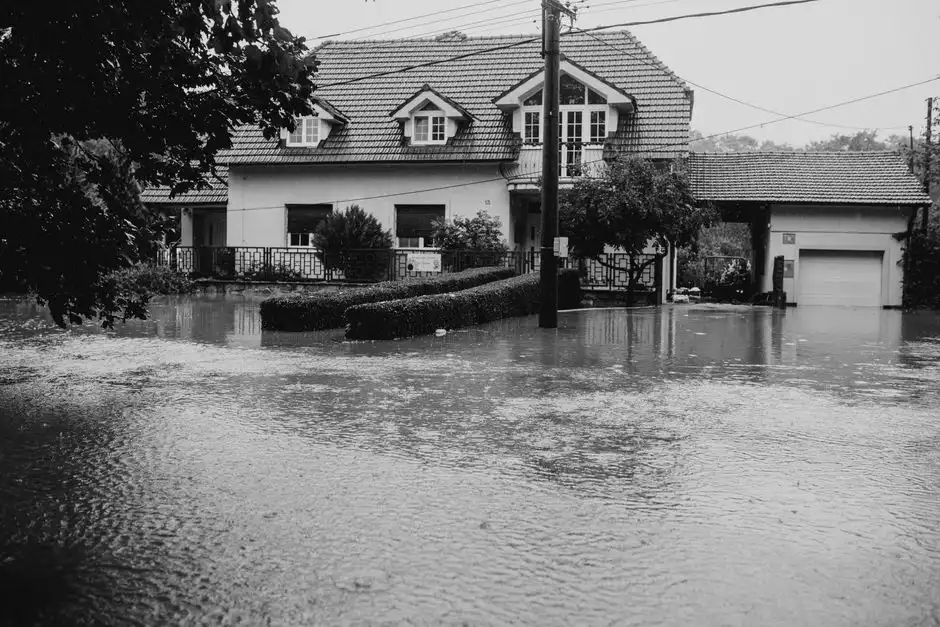
Emergency water damage restoration in Downtown Kuna means stopping the source, removing standing water, and drying affected materials before moisture spreads into walls, floors, and belongings. You can expect a technician to assess the damage, begin extraction, set drying equipment, and explain the next steps, often starting on the first visit. The first few hours matter: water can move beneath flooring and into wall cavities even after the visible puddle is gone.
At Kuna water damage restoration, we guide you through the response from the initial call to the final moisture check. Emergency water damage restoration in downtown kuna ID is a property recovery service that removes unwanted water and dries building materials after a leak, overflow, or flood. Here's what you can expect, how timing works, and what shapes the cost in Downtown Kuna.
What happens during emergency water damage restoration in Downtown Kuna?
Emergency water damage restoration in Downtown Kuna starts with a safety check and damage assessment, followed by water removal and a drying plan matched to the affected materials. Our team identifies where the water came from, how far it traveled, and whether electricity or contaminated water creates a hazard.
We photograph affected areas, take moisture readings, and discuss immediate priorities with you. If the source is a broken supply line, we help stop the leak; if it is an active roof leak, we focus on containing water indoors while the roof issue is addressed. The order matters because removing water without controlling the source invites a repeat loss.
For properties near downtown's older commercial blocks and established homes, water can enter through small gaps around plumbing, foundations, or roof penetrations. We check adjoining rooms and the floor below, not just the spot where you first saw a stain. A ceiling mark only 12 inches wide can conceal a broader wet area above it.
Our process follows a practical sequence:
- Make the area safe and stop or isolate the water source.
- Inspect visible and hidden damage with moisture meters and, where useful, thermal imaging.
- Extract standing water and move affected contents out of the work area.
- Set air movers and dehumidifiers, then monitor readings as materials dry.
- Remove materials that cannot be dried safely and complete needed repairs after drying.
We provide water damage restoration kuna for urgent losses and explain what the crew will do before equipment goes into your home. That way, you know which rooms we are drying and what readings we are tracking.
How fast can you get to Downtown Kuna for water damage?
For an emergency call in Downtown Kuna, our team works to arrange a prompt response, with arrival timing confirmed when you call and commonly measured in hours rather than days. The exact time depends on the active call queue, road conditions, and the size of the response needed.
While help is on the way, turn off the nearest safe shutoff valve if a plumbing line is leaking. If water is near outlets, appliances, or a breaker panel, do not step into it or touch electrical equipment; move away and call emergency services if there is immediate danger. Keep children and pets out of the wet area.
November through winter brings a particular risk in Kuna: freezing temperatures can stress exposed or poorly insulated pipes. During colder spells, a burst line may release water quickly into a cabinet, basement, or crawl space. Our water damage restoration Downtown Kuna ID service focuses on the neighborhood and nearby streets, including the first steps that limit spread while extraction is prepared.
Same-day water extraction downtown kuna ID is often possible when crews and equipment are available, but the call is the best way to confirm a specific arrival window. Tell us the source, approximate amount of water, affected floors, and whether anyone is at risk. Those details help us bring suitable pumps, hoses, and drying equipment on the first trip.
How does water extraction and drying work?
Downtown Kuna water extraction removes pooled water first; professional drying then lowers moisture in floors, walls, and other materials over several days. We use extraction tools appropriate to the surface, then place air movers to circulate air and dehumidifiers to collect moisture from the room.
A typical drying setup may run continuously for 3 to 5 days, with daily or scheduled checks to compare readings. Dense materials, concealed cavities, and larger losses take longer. We monitor the structure rather than relying on whether a surface feels dry, because a dry-looking floor can still hold moisture underneath.
Carpet and pad respond differently from hardwood or drywall. A wet carpet can sometimes be extracted and dried in place if the water is clean and the material remains suitable; saturated padding often needs removal. Hardwood may cup or swell, so we measure moisture and adjust airflow rather than blasting it with heat.
We record readings at affected and unaffected reference points. For example, a wall reading can be compared with a dry section nearby, and the equipment plan can change as the numbers fall. Our 24/7 water extraction kuna ID service addresses standing water promptly, while drying continues until materials reach an appropriate dry standard.
During structural drying, expect equipment noise and warm airflow. Keep doors and windows closed unless our technicians ask you to ventilate; outdoor air can add humidity and slow progress. We'll tell you which machines must remain on and when we plan to return for the next readings.
What does water damage restoration cost in Downtown Kuna?
Water damage restoration in Downtown Kuna can range from about $500 to $1,500 for a small, contained cleanup and from $2,000 to $7,500 or more for a multi-room loss that needs extended drying and material removal. Typical 2026 pricing in this area depends on water volume, contamination, affected materials, access, and the equipment and labor required.
A small clean-water leak caught quickly may need extraction and a few days of drying. A larger basement flood, water inside wall cavities, or sewage backup requires more labor, protective measures, and disposal. Rebuilding drywall, trim, cabinets, or flooring adds repair costs beyond extraction and drying.
We assess the affected rooms and explain the work and pricing before proceeding. The most useful cost questions are what caused the loss, how many square feet are wet, whether water reached a second level, and whether materials can be dried or must be removed. Insurance coverage varies by policy and cause; keep photos and records of the damage and work.
Those ranges are planning estimates, not a quote for your property. A 100-square-foot room with a clean supply-line leak is a different job from a flooded 500-square-foot basement with water behind finished walls.
Common mistakes that make water damage worse
Common water damage mistakes in Downtown Kuna include delaying extraction, running household fans before the source is controlled, and entering standing water near live electrical equipment. Quick action helps, but the wrong action can spread contamination or create a safety risk.
Do not assume a small puddle means a small loss. Water follows seams, gaps, and gravity, often moving under flooring or into the room below. Take photos before moving items if it is safe, then lift furniture onto blocks or remove it from the wet area.
- Do not use a household vacuum to pick up water unless it is designed for wet extraction.
- Do not use a hair dryer or space heater on wet walls, flooring, or wiring.
- Do not cut drywall or pull up flooring before checking for pipes, wiring, or contamination.
- Do not switch off drying equipment just because the room feels comfortable.
Water that has contacted sewage, floodwater, or unknown chemicals needs a different response from a clean pipe leak. Keep people out of the affected space and tell us what you know about the source. We use that information to choose safe handling and cleaning steps.
When to call a water damage professional
Call a water damage professional in Downtown Kuna when water covers more than a small, easily dried surface, has reached a wall or ceiling, or comes from a contaminated source. We also recommend calling promptly if a leak continues, water is near electrical systems, or flooring feels soft or begins to buckle.
Get help immediately for a burst pipe, a ceiling that is sagging, basement water rising around equipment, or sewage backing into the home. A bulging ceiling can contain heavy water; stay clear and do not puncture it yourself. If electrical danger is present, leave the area and contact the appropriate emergency service first.
For a contained clean-water spill, you can blot a small amount from a nonporous surface and remove dry belongings. If moisture has entered carpet padding, a wall, a subfloor, or a crawl space, household towels will not solve the hidden part of the problem. Our team at Kuna water damage restoration can inspect the affected area, extract water, and track drying progress so you know what is happening.
Winter pipe breaks and spring runoff call for different equipment and checks, but the first priorities stay the same: safety, source control, extraction, and measured drying. If you are unsure whether a stain is still wet, a moisture check is more useful than guessing by appearance.
Frequently Asked Questions
Who does emergency water damage restoration in Downtown Kuna ID?
Kuna water damage restoration handles emergency water removal and structural drying in Downtown Kuna, with a response plan based on the source and affected rooms. We assess the loss, extract water, set drying equipment, and monitor moisture. Call with the leak type and location so our team can prepare for the job.
How fast can you get to Downtown Kuna for water damage?
Our team works to respond as quickly as possible, and many emergency calls are handled within hours rather than days. Arrival depends on current calls, road conditions, and equipment needs. When you call, tell us if water is still flowing or near electricity so we can prioritize safety.
How much does water damage restoration cost in Downtown Kuna Idaho?
A small contained cleanup may cost about $500-$1,500, while multi-room restoration commonly ranges from $2,000-$7,500 or more in 2026. The final amount depends on water volume, contamination, drying time, material removal, and repairs. We explain the work and pricing for your specific damage.
What should I expect during water damage restoration in Downtown Kuna?
Expect an initial safety check and moisture assessment, followed by water extraction, drying equipment, and progress checks over roughly 3-5 days for many ordinary losses. Larger or concealed wet areas take longer. We explain which rooms are affected, what equipment must stay on, and when we'll recheck readings.
Can you provide 24/7 water damage cleanup in Downtown Kuna ID?
We handle urgent water damage calls and work to arrange help at any hour, including nights and weekends. Response timing depends on the active workload and conditions. If you have standing water, shut off the source only if safe, avoid electrical hazards, and call with the property address and situation.
Get help with emergencywaterdamagerepair in Kuna
If water is spreading through your Downtown Kuna property, call Kuna water damage restoration for help with extraction, drying, and the next repair steps. Call (833) 546-4116 and tell us where the water is and whether the source is still active.